Introduction
Choosing the right container can make a noticeable difference in how your plants grow. Two popular options are grow bags and traditional pots, but they behave quite differently when it comes to watering, root growth, drainage, portability, and durability.
Grow bags are flexible containers, usually made from breathable fabric. Traditional pots are rigid containers commonly made from plastic, terracotta, ceramic, or other materials. Both can grow healthy plants when they are properly sized and managed.
So, which one should you choose?
The answer depends on what you’re growing, how often you can water, your growing conditions, and what matters most to you. Grow bags can provide excellent root aeration and are easy to store, while traditional pots can offer greater stability and may hold moisture longer depending on the material.
This guide compares the two so you can choose the container that makes the most sense for your plants.
Quick Answer: Grow Bags vs Traditional Pots
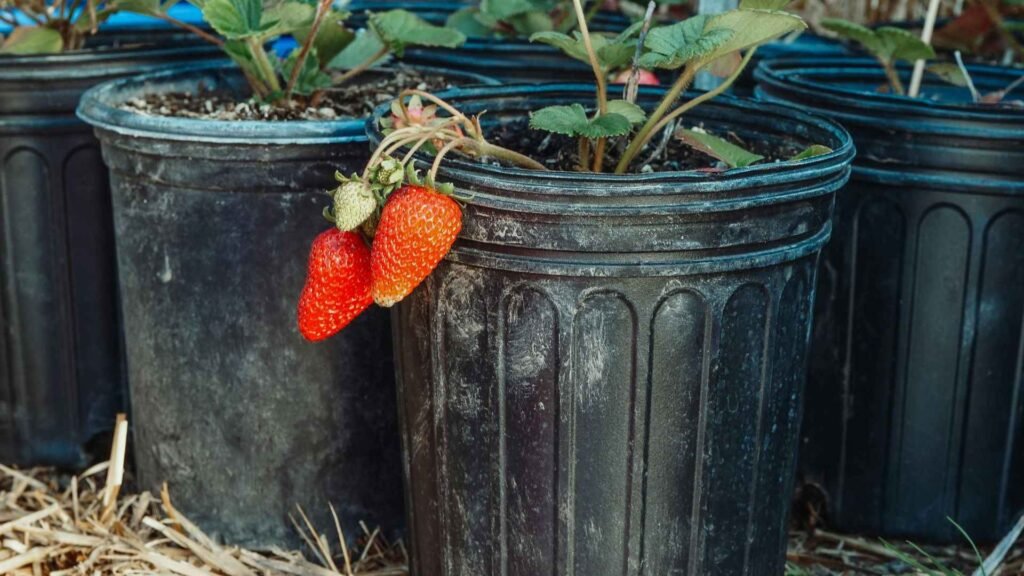
Grow bags are a good choice when you want lightweight containers, good airflow around the roots, easy storage, and a practical option for growing vegetables.
Neither option is automatically better for every plant.
If you live in a hot or dry environment, grow bags may require more frequent watering because their breathable sides can allow moisture to escape more quickly. If you frequently move plants or have limited storage space, their lightweight and foldable design can be a major advantage.
Grow Bags vs Traditional Pots: Quick Comparison
| Feature | Grow Bags | Traditional Pots |
|---|---|---|
| Root aeration | Excellent in breathable fabric | Depends on material and drainage |
| Drainage | Usually very good | Depends on drainage holes and material |
| Water retention | Often lower | Can be higher, depending on material |
| Watering frequency | Often higher | Often lower, depending on conditions |
| Weight | Lightweight | Ranges from lightweight to very heavy |
| Storage | Easy to fold and store | Takes up more space |
| Stability | Can be less stable | Generally more stable |
| Appearance | Simple and practical | Many decorative options |
| Root circling | Can reduce circling through air pruning | More potential for circling |
| Durability | Depends on fabric quality | Often durable, especially quality plastic or ceramic |
| Best suited to | Vegetables, flexible growing setups | Houseplants, ornamentals, vegetables, and containers |
What Are Grow Bags?
Grow bags are containers made from flexible materials, most commonly breathable fabric. Instead of having rigid walls like a conventional flowerpot, the sides of a grow bag can flex around the root system and growing medium.
One of their biggest advantages is airflow.
Because breathable fabric allows air to reach the sides of the growing medium, roots that reach the edges can experience a process often called air pruning. Instead of continuing to circle around the inside wall as they might in some rigid containers, root growth can be naturally limited at exposed edges.
Grow bags are commonly used for:
- Vegetables
- Herbs
- Flowers
- Small fruiting plants
- Patio gardening
- Balcony gardening
- Temporary or seasonal growing setups
They are also convenient when you don’t want to store bulky containers during the off-season. Once emptied and cleaned, many fabric grow bags can simply be folded away.
However, their breathable construction also creates an important trade-off: they can lose moisture more quickly than some traditional containers.
That means the convenience of a grow bag doesn’t necessarily mean less maintenance.
What Are Traditional Pots?
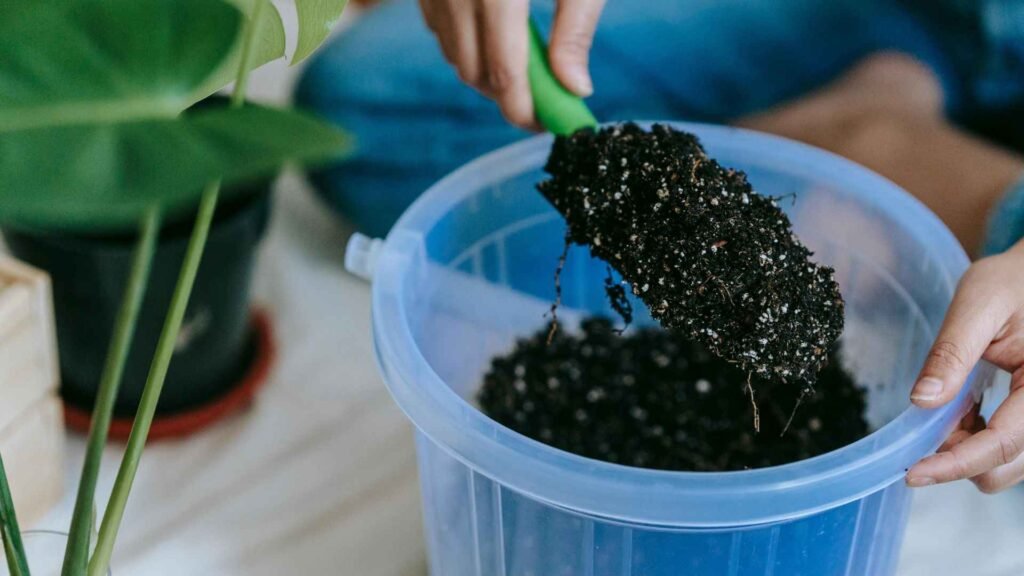
Traditional pots are rigid containers designed to hold growing medium and support a plant’s root system. They come in many materials and sizes, including plastic, terracotta, ceramic, and other manufactured materials.
Their characteristics vary considerably depending on the material.
For example, a plastic pot generally retains moisture differently from an unglazed terracotta pot. Ceramic pots can provide excellent stability but may be considerably heavier.
Traditional pots are popular because they offer:
- Rigid support
- Many sizes and shapes
- Decorative choices
- Easy handling
- Reusability
- Different moisture-retention characteristics depending on material
For indoor plants and decorative container gardening, traditional pots also have an advantage that grow bags generally don’t: appearance.
A simple fabric grow bag may be perfectly functional, but a decorative ceramic or attractive plastic pot can be much easier to integrate into an indoor living space.
Grow Bags vs Pots for Root Health
Root development is one of the most important differences between these two container types.
In a conventional rigid container, roots can grow outward until they reach the container wall. If the plant remains in the same pot for too long, roots may begin growing around the inside of the container, particularly when the container’s design and growing conditions encourage circling.
Fabric grow bags approach the problem differently.
When roots reach the breathable sides of a grow bag, exposure to air can discourage continued growth at the outer edge. This process, commonly called air pruning, can encourage a more branched root system rather than allowing roots to continue circling around a solid container wall.
That doesn’t mean every plant automatically grows better in a grow bag.
Root health also depends on factors such as:
- Container size
- Growing medium
- Drainage
- Watering
- Plant species
- Temperature
- Fertilization
- Overall growing conditions
So, while grow bags have a genuine advantage in root aeration and air pruning, the container itself is only one part of the growing equation.
Grow Bags vs Pots for Drainage
Good drainage is essential for container-grown plants because excess water around the roots can create problems.
Grow bags naturally have an advantage here because their porous fabric construction allows water to escape through the sides and bottom. This makes them less likely to behave like a sealed container when properly filled with an appropriate growing medium.
Traditional pots can also provide excellent drainage, but their performance depends heavily on the pot’s design.
A rigid pot should have adequate drainage holes, and the growing medium needs to allow excess water to move through the container.
A container with poor drainage can cause problems regardless of whether it is plastic, ceramic, or another material.
However, excellent drainage can also mean faster drying.
This is particularly important with grow bags. A container that drains and breathes freely may need to be watered more often than a less porous container.
That trade-off—better aeration versus faster moisture loss—is one of the most important things to consider before choosing between a grow bag and a traditional pot.
Grow Bags vs Traditional Pots for Watering
Watering is one of the biggest practical differences between grow bags and traditional pots.
Grow bags are breathable, which helps with drainage and root aeration. However, that same airflow can cause the growing medium to dry out faster, especially around the sides of the container.
This means plants growing in fabric bags may need more frequent watering than plants in some traditional pots.
Traditional pots can retain moisture for longer, but the exact difference depends on the material.
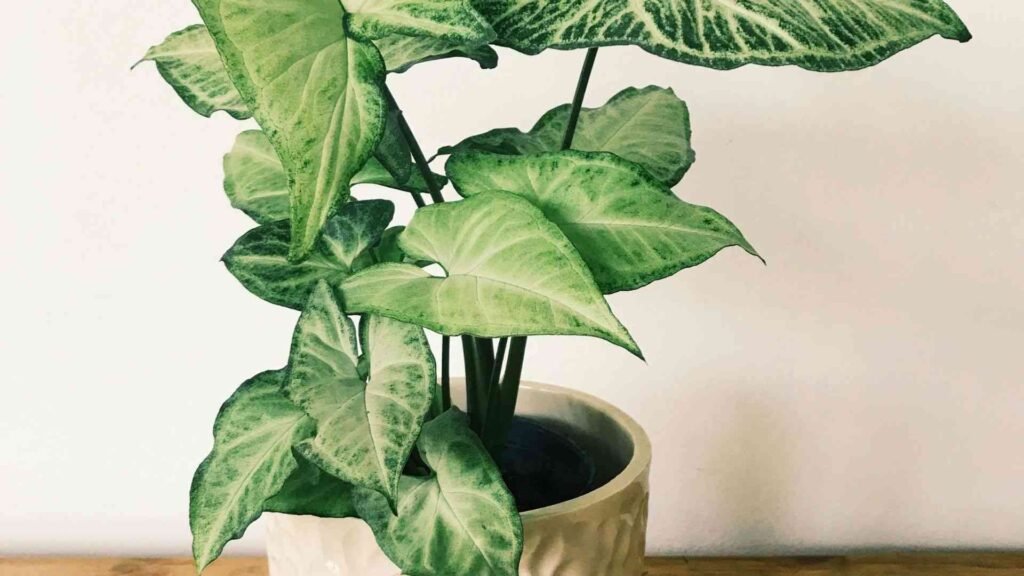
Plastic Pots
Plastic pots generally don’t allow much moisture to escape through their sides. When combined with an appropriate growing medium and drainage holes, they can retain moisture longer than breathable fabric containers.
This can be useful if you don’t have time to check your plants frequently.
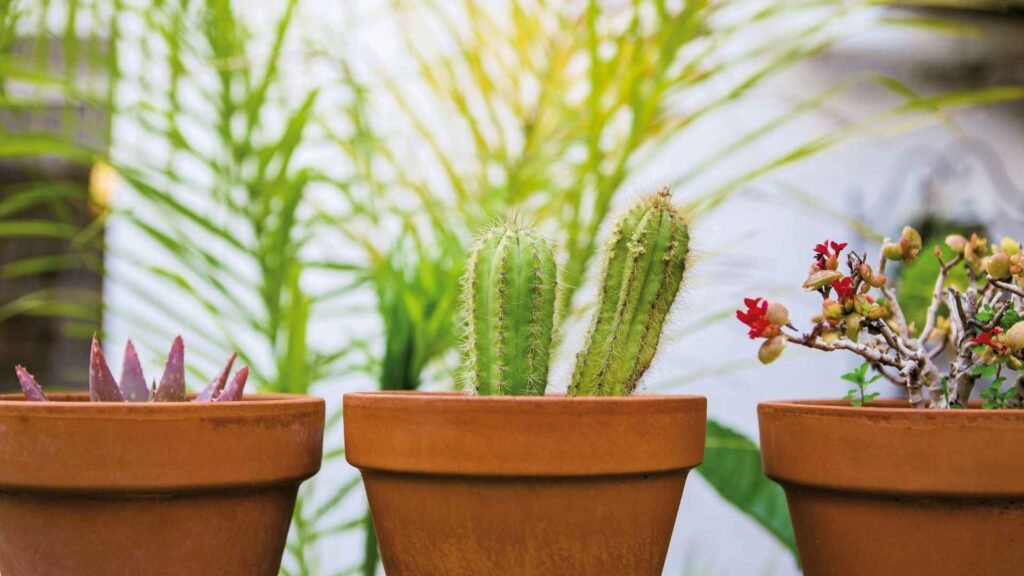
Terracotta Pots
Unglazed terracotta behaves differently. The porous material can allow moisture to evaporate through the sides, so terracotta plants may also dry out relatively quickly.
This makes terracotta an interesting middle ground: it is rigid like a traditional pot but can provide some of the moisture-loss characteristics associated with porous containers.
Which Is Better for Water Retention?
If your priority is slower drying, a suitable traditional pot—particularly one made from a less porous material—may be more convenient.
If your priority is fast drainage and root aeration, a grow bag can be attractive, provided you’re prepared to water when needed.
The important point is that neither container eliminates the need to monitor moisture.
Grow Bags vs Pots in Hot and Dry Conditions
Your growing environment can change which container makes more sense.
In hot, dry, or windy conditions, grow bags may lose moisture quickly because their fabric sides allow greater airflow. A plant in a small grow bag can therefore dry out faster than expected.
This doesn’t make grow bags unsuitable for warm climates, but it does mean watering management becomes more important.
Traditional pots can also dry quickly, particularly small terracotta containers exposed to strong sunlight. A larger plastic pot may retain moisture for longer.
If you garden in a hot climate, consider:
- Choosing an appropriately sized container
- Using a suitable moisture-retaining growing medium
- Checking the growing medium regularly
- Providing appropriate shade when necessary
- Avoiding unnecessarily small containers
- Adjusting watering frequency during hot weather
The container should be selected alongside the conditions in which the plant will actually grow.
Which Is Better for Vegetables?
Grow bags are particularly popular for container-grown vegetables.
Their lightweight construction makes it possible to create growing spaces on patios, balconies, and other areas where traditional garden beds aren’t practical.
They’re especially useful for plants that benefit from relatively deep containers, including many vegetables and herbs.
Grow bags can also be easy to move when they’re empty or when smaller plants are being grown.
Traditional pots work very well for vegetables too. In fact, there is no reason a vegetable plant must be grown in a fabric bag to thrive.
A suitable rigid container with enough volume, good drainage, and appropriate growing medium can produce excellent results.
The choice often comes down to watering habits, available space, stability, and personal preference.
Which Is Better for Houseplants?
For indoor houseplants, traditional pots generally have a major practical advantage: they are easier to integrate into your living space.
Decorative ceramic, terracotta, and plastic pots are available in countless shapes and designs.
Grow bags can still be used indoors, particularly for plants where function is more important than appearance, but they aren’t always the most convenient choice for living rooms, offices, or other finished spaces.
Traditional pots can also be easier to place inside decorative cachepots or on plant stands.
However, the most important consideration for an indoor plant remains the container’s ability to support healthy roots and proper drainage.
An attractive pot without adequate drainage can create more problems than a simple grow bag.
Which Is Easier to Move?
This is another area where grow bags can have a clear advantage.
Fabric containers are generally lightweight when compared with similarly sized rigid containers. When they’re empty, they can also be folded or rolled for storage.
This is useful for:
- Balcony gardeners
- Patio gardeners
- Seasonal growers
- Renters
- Gardeners with limited storage
- Anyone who frequently rearranges plants
However, there’s an important limitation.
A large grow bag filled with wet growing medium can still become very heavy. The flexible sides can also make large bags harder to grip and move than a rigid pot.
Traditional pots are usually easier to pick up because their shape remains fixed. But large ceramic or terracotta containers can become extremely heavy once filled.
So the winner depends on the size of the container and what material you’re comparing.
Which Is More Stable?
Traditional pots generally have the advantage when stability matters.
Rigid walls maintain the shape of the container and provide a firm base for the plant. This can be particularly useful for tall plants, top-heavy plants, or locations where wind could cause problems.
Grow bags are flexible by design. Smaller bags are usually manageable, but large fabric containers can become less stable depending on their shape, filling, and placement.
If you’re growing a tall plant outdoors in a windy location, a rigid container may provide more stability.
For low-growing vegetables or plants positioned in a sheltered area, the flexibility of a grow bag may not be an issue.
Which Lasts Longer?
There isn’t a universal winner because durability depends heavily on the quality of the container.
A high-quality grow bag can be reused for multiple growing seasons when it is properly maintained. However, constant exposure to sunlight, moisture, soil, and handling can eventually degrade fabric.
Traditional pots can also last for many years. Plastic containers may become brittle after prolonged exposure to ultraviolet light, while ceramic and terracotta pots can crack if dropped or exposed to certain freezing conditions.
When comparing durability, consider:
- Material quality
- UV exposure
- How often the container is moved
- Weather conditions
- Cleaning and storage
- Container thickness
If you’re looking for the longest possible lifespan, don’t judge a container solely by whether it is fabric or rigid. Construction quality matters.
Grow Bags vs Traditional Pots: Which Is Better for You?
Instead of asking which container is universally better, match the container to your priorities.
Choose Grow Bags If You Want:
- Excellent root aeration
- Good drainage
- Lightweight containers
- Easy seasonal storage
- Flexible growing spaces
- A practical option for vegetables
- Containers that can be moved relatively easily when appropriately sized
Choose Traditional Pots If You Want:
- A rigid and stable container
- More decorative choices
- Convenient indoor use
- Potentially slower moisture loss
- Easy handling of smaller plants
- Long-term reusable containers
There is also no reason to choose only one.
Many gardeners use both grow bags and traditional pots because different plants and situations call for different containers.
For example, you might use fabric grow bags for outdoor vegetables while keeping indoor foliage plants in decorative pots.
What Matters More Than the Container Type?
It’s easy to focus on the grow bag versus pot debate and overlook the things that have an even bigger impact on container gardening.
Regardless of your choice, pay attention to:
Container Size
The container needs enough room for the plant’s root system. A container that is too small can restrict growth and dry out quickly, while an unnecessarily large container can create its own watering challenges.
Drainage
Make sure excess water has a way to leave the container. Poor drainage can keep roots excessively wet and create growing problems.
Growing Medium
The quality and structure of the growing medium affect drainage, moisture retention, aeration, and root development.
Watering Routine
A container that dries quickly isn’t necessarily bad if you can water consistently. The best container is partly determined by how much maintenance you can realistically provide.
Plant Type
A shallow-rooted herb, a tomato plant, and a large ornamental plant don’t have identical container requirements.
The right choice should start with the plant and growing environment, not the container trend.
Final Verdict: Grow Bags or Traditional Pots?
For most outdoor vegetable gardening, grow bags are the better practical choice when good drainage, root aeration, portability, and limited storage are priorities.
For indoor plants, decorative gardening, and situations where stability and moisture retention are more important, traditional pots are usually the better choice.
If you want one simple rule, use this:
Choose grow bags for flexible, well-drained vegetable growing; choose traditional pots for stable, attractive, lower-maintenance container growing.
Neither container is inherently superior for every plant. The best option depends on the plant, climate, watering routine, available space, and container material.
And if you’re still unsure, you don’t have to choose just one. Using grow bags for vegetables and traditional pots for houseplants or ornamentals can give you the advantages of both.
The container matters—but proper size, drainage, growing medium, watering, and plant-specific care matter even more.