Plastic Pots vs Fabric Pots
Choosing the right container is one of the most important decisions for successful gardening. While soil, water, sunlight, and fertilizer all play essential roles in plant health, the pot itself directly affects root development, moisture retention, drainage, and overall growth. Among the many container options available today, plastic pots and fabric pots are two of the most popular choices for both beginners and experienced gardeners.
Plastic pots have been used for decades because they are lightweight, affordable, and available in countless sizes. Fabric pots, also known as grow bags, have become increasingly popular due to their breathable material, which encourages healthier root systems through a process called air pruning.
Although both types of containers can grow healthy plants, they perform differently in terms of water management, temperature regulation, portability, durability, and maintenance. Understanding these differences will help you choose the best pot for your gardening style and the plants you want to grow.
In this guide, we’ll compare plastic pots and fabric pots side by side, explaining their advantages, disadvantages, and ideal uses so you can confidently select the right container for your indoor or outdoor garden.
Quick Answer
Plastic pots retain moisture longer, are lightweight, and require less frequent watering, making them ideal for houseplants and moisture-loving plants. Fabric pots provide superior drainage and air circulation, promoting healthier roots through air pruning, making them an excellent choice for vegetables, herbs, and other fast-growing plants.
Quick Comparison
| Feature | Plastic Pots | Fabric Pots |
|---|---|---|
| Moisture Retention | High | Moderate |
| Drainage | Good | Excellent |
| Root Health | Good | Excellent |
| Weight | Very Light | Very Light |
| Best For | Houseplants | Vegetables |
Comparison Table
| Feature | Plastic Pots | Fabric Pots |
|---|---|---|
| Drainage | Good | Excellent |
| Airflow | Low | Excellent |
| Root Circling | Common | Minimal |
| Moisture Retention | High | Moderate |
| Heat Dissipation | Moderate | Excellent |
| Durability | Excellent | Good |
| Portability | Excellent | Excellent |
| Cost | Lower | Moderate |
What Are Plastic Pots?
Plastic pots are containers made from lightweight synthetic materials such as polypropylene or polyethylene. They are widely available in garden centers and are one of the most affordable options for growing plants.
Because plastic is non-porous, it prevents water from escaping through the sides of the container. This helps the soil stay moist for longer periods, reducing the need for frequent watering.
Plastic pots are produced in countless shapes, sizes, and colors, making them suitable for almost every type of indoor and outdoor gardening.
Advantages of Plastic Pots
- Lightweight and easy to move
- Affordable and widely available
- Retains moisture well
- Resistant to cracking under normal use
- Available in many styles and sizes
Limitations
- Less airflow around roots
- Roots may circle inside the pot over time
- Can become hot in direct sunlight
- Lower-quality plastic may become brittle after years of UV exposure
What Are Fabric Pots?
Fabric pots, often called grow bags, are made from breathable, durable fabric designed specifically for container gardening. Unlike traditional containers, their porous material allows air to pass through the sides of the pot.
As roots reach the edge of the container, exposure to air naturally stops their outward growth. This process, known as air pruning, encourages the plant to produce many smaller feeder roots instead of long circling roots.
The improved airflow also helps excess water drain quickly, reducing the likelihood of root rot and waterlogged soil.
Advantages of Fabric Pots
- Excellent drainage
- Superior airflow
- Encourages air pruning
- Promotes healthier root systems
- Helps prevent overwatering
Limitations
- Requires more frequent watering
- Fabric can wear over time
- May dry out quickly during hot weather
- Can develop mineral stains after extended use
Plastic Pots vs Fabric Pots: Key Differences
Although both containers can support healthy plant growth, they differ in several important ways.
1. Root Health
One of the biggest differences between plastic and fabric pots is how they affect root development.
In a plastic pot, roots continue growing until they reach the container wall. Since they cannot pass through the plastic, they begin circling around the inside of the pot. Over time, excessive root circling may reduce nutrient uptake and make transplanting more difficult.
Fabric pots naturally prevent this problem through air pruning. When roots reach the breathable sides of the container, they stop growing outward and instead branch into numerous smaller feeder roots. This creates a dense, fibrous root system that absorbs water and nutrients more efficiently.
For long-term plant health, especially with vegetables and fast-growing crops, fabric pots generally produce stronger and healthier root systems.
Winner: Fabric Pots
2. Drainage
Proper drainage is essential for preventing root rot and maintaining healthy soil conditions.
Plastic pots rely entirely on drainage holes at the bottom of the container. If these holes become blocked or the pot sits in standing water, excess moisture can remain around the roots for too long.
Fabric pots provide excellent drainage because water can escape through both the bottom and the breathable sides. This greatly reduces the risk of waterlogging while allowing oxygen to reach the root zone.
Because of this design, fabric pots are especially useful for gardeners who tend to overwater their plants.
Winner: Fabric Pots
3. Moisture Retention
One of the most noticeable differences between plastic and fabric pots is how they manage water.
Plastic pots have non-porous walls that prevent moisture from escaping through the sides. As a result, the soil remains damp for longer periods, reducing how often you need to water. This makes plastic pots especially useful for plants that prefer consistently moist soil or for gardeners who cannot water every day.
Fabric pots, on the other hand, allow water to evaporate through their breathable material. While this improves root health, it also means the soil dries more quickly, particularly during hot, dry, or windy weather.
Gardeners using fabric pots often need to water more frequently, especially when growing thirsty crops such as tomatoes or cucumbers.
Winner: Plastic Pots
4. Air Circulation
Healthy roots require both water and oxygen to thrive.
Plastic pots provide very little airflow through their sides because the material is completely sealed. Oxygen reaches the roots mainly through the soil surface and drainage holes.
Fabric pots are designed to maximize airflow. Their breathable fabric allows fresh air to reach the root zone from every direction, creating an environment where roots can develop more efficiently.
Better air circulation also supports beneficial soil microorganisms that contribute to healthier plant growth.
Winner: Fabric Pots
5. Temperature Regulation
Root temperature has a significant impact on plant health.
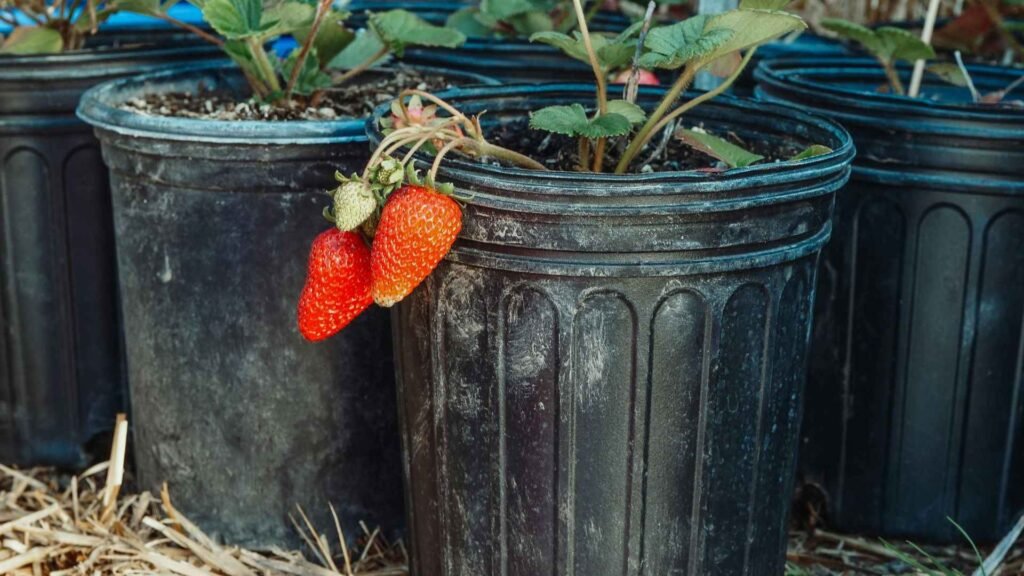
Plastic pots can absorb and retain heat, particularly dark-colored containers placed in direct sunlight. During extremely hot weather, the soil inside may warm quickly, placing stress on plant roots.
Fabric pots naturally release excess heat through their breathable sides. This helps maintain a more stable soil temperature and reduces the likelihood of overheating during summer.
In cooler climates, however, plastic pots may retain warmth slightly longer, which can benefit some plants during chilly nights.
Overall, fabric pots provide better temperature regulation in most growing conditions.
Winner: Fabric Pots
6. Plant Growth Performance
Both container types can produce healthy plants when they receive proper care, but their growing conditions differ.
Plastic pots support vigorous growth for many ornamental plants, tropical houseplants, and moisture-loving species because they retain water longer.
Fabric pots often encourage faster and healthier root development due to excellent drainage and air pruning. Many gardeners notice stronger stems, denser roots, and improved overall plant growth, particularly with vegetables and herbs.
For crops that require rapid growth and extensive root systems, fabric pots generally have the advantage.
Winner: Fabric Pots
7. Durability
Plastic pots are known for their long lifespan when made from high-quality materials.
They resist moisture, require little maintenance, and can often be reused for many growing seasons. However, prolonged exposure to strong sunlight may cause cheaper plastic pots to become brittle and crack.
Fabric pots are also durable but gradually wear with repeated use, washing, and constant exposure to weather. Premium fabric grow bags typically last several years, while lower-quality versions may deteriorate sooner.
With proper care, both containers provide good longevity, although plastic usually lasts longer.
Winner: Plastic Pots
8. Portability
Moving plants is much easier when containers are lightweight.
Plastic pots are among the lightest gardening containers available and remain easy to carry even when filled with soil.
Fabric pots are also lightweight and many larger models include sturdy carrying handles, making them convenient for patios, balconies, and grow tents.
Once filled with moist soil, however, fabric pots can become more flexible, requiring extra care when lifting.
Overall, both options are highly portable.
Winner: Tie
9. Maintenance
Keeping containers clean helps prevent pests and plant diseases.
Plastic pots have smooth surfaces that are easy to wash and disinfect before reusing. A simple rinse with mild soap or a diluted disinfecting solution is usually sufficient.
Fabric pots require a little more maintenance. Soil particles, fertilizer salts, and algae may accumulate in the fabric over time. Many grow bags can be washed by hand or in a washing machine, but they should be thoroughly dried before reuse.
For gardeners seeking the easiest maintenance routine, plastic pots are generally more convenient.
Winner: Plastic Pots
10. Cost
Budget is another important factor when selecting plant containers.
Plastic pots are usually the most affordable option and are available in nearly every size at garden centers and home improvement stores.
Fabric pots are slightly more expensive because they use specialized breathable materials. However, their ability to improve root health and plant performance often provides excellent value for gardeners growing vegetables or high-yield crops.
If initial cost is your main concern, plastic pots are typically the better choice.
Winner: Plastic Pots
Which Pot Is Best for Different Plants?
The ideal container depends on the plant’s growth habits and watering needs.
| Plant Type | Recommended Pot |
|---|---|
| Houseplants | Plastic Pots |
| Herbs | Fabric Pots |
| Tomatoes | Fabric Pots |
| Peppers | Fabric Pots |
| Leafy Greens | Fabric Pots |
| Succulents | Plastic Pots |
| Indoor Tropical Plants | Plastic Pots |
| Potatoes | Fabric Pots |
| Strawberries | Fabric Pots |
| Seedlings | Plastic Pots |
For indoor ornamental plants that benefit from consistent moisture, plastic pots are often the better option. For vegetables, herbs, and other fast-growing crops that require strong root systems, fabric pots generally deliver superior results.
Pros and Cons
Both plastic pots and fabric pots are excellent choices for container gardening, but each has strengths and weaknesses depending on the plants you grow and your gardening routine.
Plastic Pots
Pros
- Lightweight and easy to move
- Affordable and widely available
- Retains moisture for longer periods
- Durable and reusable
- Available in many sizes, shapes, and colors
- Ideal for indoor plants and beginners
Cons
- Limited airflow around roots
- Can encourage root circling
- May overheat in direct sunlight
- Lower-quality plastic can become brittle over time
Fabric Pots
Pros
- Excellent drainage
- Superior airflow to roots
- Promotes air pruning and healthier root systems
- Helps prevent overwatering
- Keeps soil cooler during hot weather
- Excellent for vegetables and herbs
Cons
- Requires more frequent watering
- Can wear out after several growing seasons
- May develop algae or mineral stains
- Slightly more expensive than plastic pots
Which Pot Should You Choose?
The best container depends on the type of plants you grow and how much time you can dedicate to watering and maintenance.
Choose Plastic Pots if you:
- Grow indoor houseplants.
- Want soil to stay moist longer.
- Prefer low-maintenance containers.
- Have a limited gardening budget.
- Need lightweight pots that are easy to move.
Choose Fabric Pots if you:
- Grow vegetables or herbs.
- Want healthier root development.
- Tend to overwater plants.
- Garden in hot climates.
- Want better drainage and airflow.
Many experienced gardeners use both types. Plastic pots work well for decorative houseplants and moisture-loving species, while fabric pots are often preferred for vegetables, flowering plants, and crops that benefit from vigorous root growth.
Frequently Asked Questions
Are fabric pots better than plastic pots?
Fabric pots are generally better for root health because they improve airflow and encourage air pruning. Plastic pots retain moisture longer and are often more convenient for indoor plants and beginners.
Do plants grow faster in fabric pots?
Many plants, especially vegetables and herbs, develop stronger root systems in fabric pots. Healthier roots can lead to faster growth and improved overall plant performance when watering and fertilization are managed properly.
Do fabric pots dry out too quickly?
Yes. Because fabric is breathable, water evaporates faster than it does from plastic pots. During hot weather, plants in fabric pots may require daily watering.
Which pot is better for indoor plants?
Plastic pots are usually the better choice for indoor plants because they retain moisture longer, reduce watering frequency, and help keep floors and furniture cleaner.
Can I reuse fabric pots?
Yes. High-quality fabric pots can be washed and reused for several growing seasons. Allow them to dry completely before storing or planting again.
Which pot is better for tomatoes?
Fabric pots are widely considered the better option for tomatoes because they provide excellent drainage, prevent root circling, and encourage a dense, healthy root system that supports vigorous growth.
Final Verdict
Both plastic pots and fabric pots are capable of growing healthy, thriving plants, but they serve different purposes.
Plastic pots are practical, affordable, and easy to maintain. Their ability to retain moisture makes them an excellent choice for houseplants, tropical plants, and gardeners who prefer less frequent watering.
Fabric pots stand out for their exceptional drainage, airflow, and root development. Air pruning helps create stronger root systems, making these containers especially effective for vegetables, herbs, and flowering plants that require rapid, healthy growth.
Rather than choosing one container for every plant, consider the specific needs of your garden. Matching the pot to the plant’s growth habits and watering requirements will produce better long-term results than relying on a single container type.
Final Thoughts
Choosing between plastic pots and fabric pots comes down to balancing convenience with plant performance.
If you want a durable, budget-friendly container that keeps soil moist for longer, plastic pots remain one of the best all-around choices for everyday gardening.
If your priority is maximizing root health, improving drainage, and growing productive vegetables or herbs, fabric pots offer several advantages that can lead to healthier plants and better harvests.
Whichever option you choose, remember that proper watering, quality potting mix, adequate drainage, and suitable light are just as important as the container itself. When combined with good gardening practices, both plastic and fabric pots can help your plants flourish.