
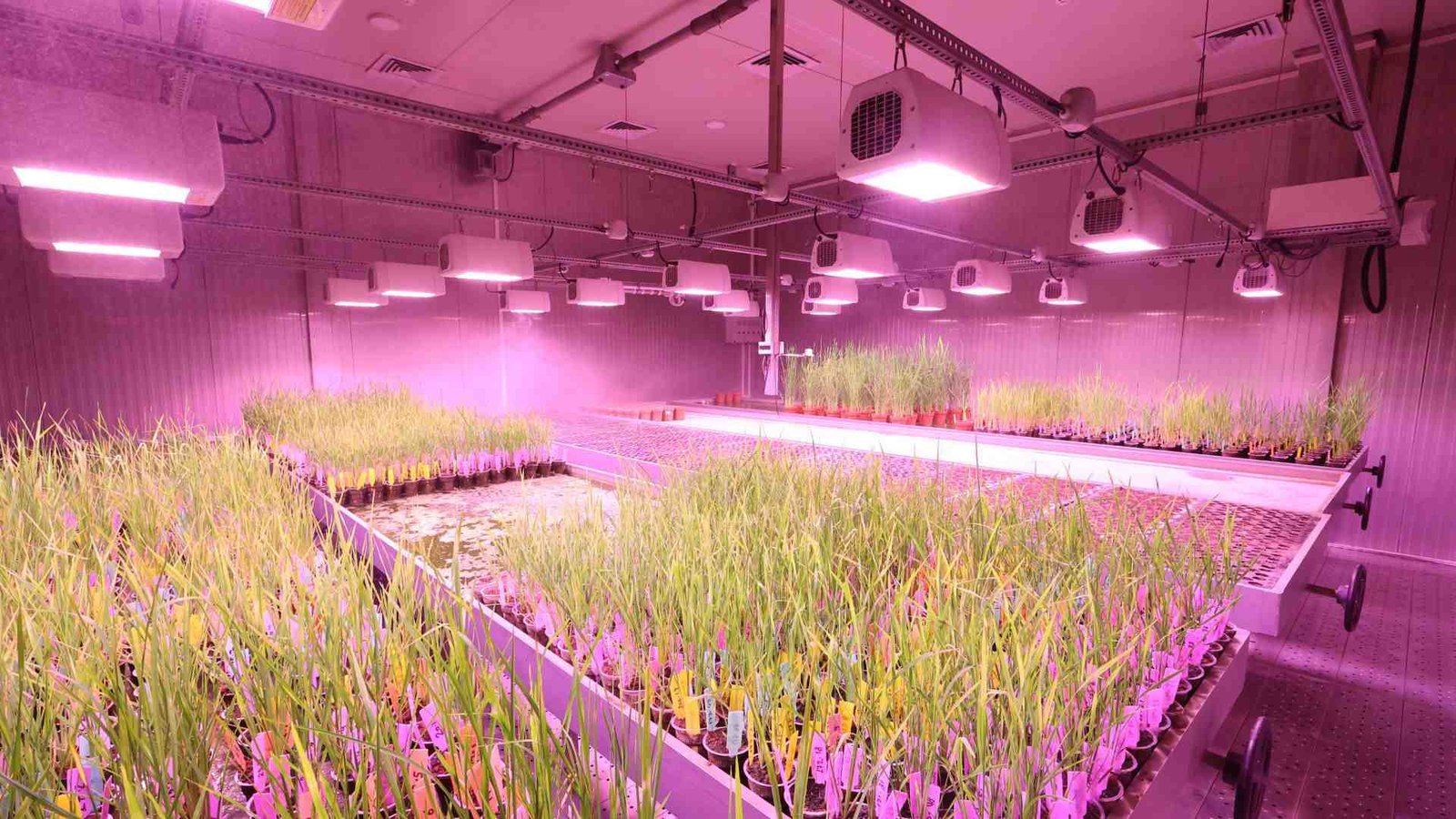
What Is DLI for Indoor Plants
When growing plants indoors, light is one of the most important factors affecting their health and growth. However, knowing that a grow light is “bright enough” is not always sufficient. Plants respond to both the intensity of light they receive and the amount of time they receive it.
This is where DLI, or Daily Light Integral, becomes useful.
DLI helps indoor gardeners understand the total amount of photosynthetically useful light a plant receives over an entire 24-hour period. Instead of looking only at how intense a grow light is at a particular moment, DLI combines light intensity and lighting duration.
For example, a plant receiving moderate light for 16 hours may receive a similar total amount of daily light as a plant receiving stronger light for a shorter period.
Understanding DLI can help you create a more effective lighting schedule for houseplants, herbs, leafy greens, seedlings, flowering plants, and fruiting vegetables.
It also helps explain why PPFD alone does not tell the complete story. PPFD measures the intensity of usable light reaching plants at a specific moment, while DLI measures the total amount of usable light received throughout the day.
In this guide, you’ll learn what DLI is, why it matters for indoor plants, how it relates to PPFD, and how to use it when setting up your indoor grow lights.
Quick Answer
DLI stands for Daily Light Integral. It measures the total amount of photosynthetically active light a plant receives during a 24-hour period.
DLI combines two important factors:
- Light intensity
- Lighting duration
It is measured in moles of light per square meter per day (mol/m²/day).
A higher PPFD does not always mean a higher DLI because the number of hours the light remains on also affects the total amount of light the plant receives.
Quick Comparison
| Measurement | What It Measures | Main Purpose |
|---|---|---|
| PAR | Range of light plants can use | Identifies usable wavelengths |
| PPFD | Light intensity reaching plants | Measures current light level |
| DLI | Total daily light received | Measures daily light exposure |
| Lumens | Brightness for human vision | Household lighting |
| Watts | Electricity consumption | Measures power usage |
Comparison Table
| Feature | PPFD | DLI |
|---|---|---|
| Measures Light Intensity | Yes | Indirectly |
| Includes Lighting Duration | No | Yes |
| Shows Instant Light Level | Yes | No |
| Shows Total Daily Light | No | Yes |
| Useful for Indoor Gardening | Excellent | Excellent |
| Unit | µmol/m²/s | mol/m²/day |
What Does DLI Mean?
DLI stands for Daily Light Integral.
It represents the total number of photosynthetically active photons that reach a specific area of a plant over an entire day.
Plants do not respond only to the amount of light they receive at one moment. They also respond to the total amount of light collected throughout the day.
Think of PPFD as the speed of light delivery and DLI as the total amount delivered by the end of the day.
For example, imagine filling a bucket with water.
PPFD is similar to the rate at which water flows from a tap. A strong flow fills the bucket quickly, while a slow flow takes longer.
DLI is similar to the total amount of water collected after a specific period.
This means two different lighting schedules can sometimes provide a similar DLI.
A plant could receive:
- Higher PPFD for fewer hours
- Lower PPFD for more hours
Both setups may provide a similar total amount of daily light.
Why Is DLI Important for Indoor Plants?
DLI is important because it gives you a broader understanding of your plant’s lighting environment.
A grow light might provide an appropriate PPFD, but if it only runs for a few hours each day, the total amount of light may still be too low.
On the other hand, a moderate-intensity grow light can provide sufficient daily light when operated for a longer period.
Understanding DLI can help you:
- Create better grow light schedules
- Match lighting to plant requirements
- Avoid insufficient daily light
- Prevent excessive light exposure
- Improve plant growth
- Use electricity more efficiently
- Compare different indoor lighting setups
DLI is particularly useful for indoor gardeners because artificial lighting gives you control over both intensity and duration.
How Is DLI Calculated?
DLI is calculated using the plant’s PPFD and the number of hours the plant receives light.
The general formula is:
DLI = PPFD × Number of seconds of light per day ÷ 1,000,000
Because grow light schedules are usually measured in hours, the formula can also be written as:
DLI = PPFD × Light Hours × 3,600 ÷ 1,000,000
For example, if your plants receive a PPFD of 300 µmol/m²/s for 12 hours:
300 × 12 × 3,600 ÷ 1,000,000 = 12.96 mol/m²/day
The DLI would be approximately 13 mol/m²/day.
This calculation shows why photoperiod is important. If you keep the same light at the same intensity but increase the lighting period from 12 hours to 16 hours, the plant receives a higher total amount of daily light.
The Relationship Between DLI and PPFD
PPFD and DLI are closely connected, but they provide different information.
PPFD measures the intensity of photosynthetically useful light reaching the plant at a specific moment.
DLI measures the total amount of that light received over the entire day.
For indoor gardening, it is helpful to consider both measurements together.
A low PPFD may be sufficient for some plants if the lighting period is long enough. However, extending the photoperiod indefinitely is not always the best solution because plants also need an appropriate dark period.
Likewise, extremely high PPFD may deliver a large amount of daily light in a short period, but it can also stress plants if the intensity exceeds what they can comfortably use.
The goal is to balance light intensity and lighting duration to provide an appropriate DLI for the plant.
DLI vs. PPFD: A Simple Example
Imagine two indoor gardeners growing the same type of plant.
The first gardener provides:
- PPFD: 200 µmol/m²/s
- Light duration: 16 hours
The second gardener provides:
- PPFD: 400 µmol/m²/s
- Light duration: 8 hours
Both plants may receive a similar total amount of daily light because the second setup provides twice the intensity for half the amount of time.
This demonstrates why PPFD should not be evaluated alone. The number of hours your grow lights operate can significantly change the total amount of light your plants receive each day.
For indoor gardeners, DLI provides a more complete picture of whether a lighting setup is meeting a plant’s overall daily light requirements.
Ideal DLI Levels for Different Indoor Plants
Different plants require different amounts of daily light. A low-light houseplant does not need the same DLI as a tomato plant producing fruit.
The ideal level depends on the plant species, growth stage, temperature, nutrition, and other environmental conditions.
The following ranges can serve as general guidelines for indoor gardening:
| Plant Type | Approximate DLI |
|---|---|
| Low-Light Houseplants | 2–6 mol/m²/day |
| Medium-Light Houseplants | 6–12 mol/m²/day |
| Seedlings | 6–12 mol/m²/day |
| Herbs | 10–20 mol/m²/day |
| Leafy Greens | 12–20 mol/m²/day |
| Flowering Plants | 15–30 mol/m²/day |
| Fruiting Vegetables | 20–40+ mol/m²/day |
These ranges are not strict rules. Some plants can tolerate or benefit from higher or lower levels depending on the growing conditions.
DLI for Low-Light Houseplants
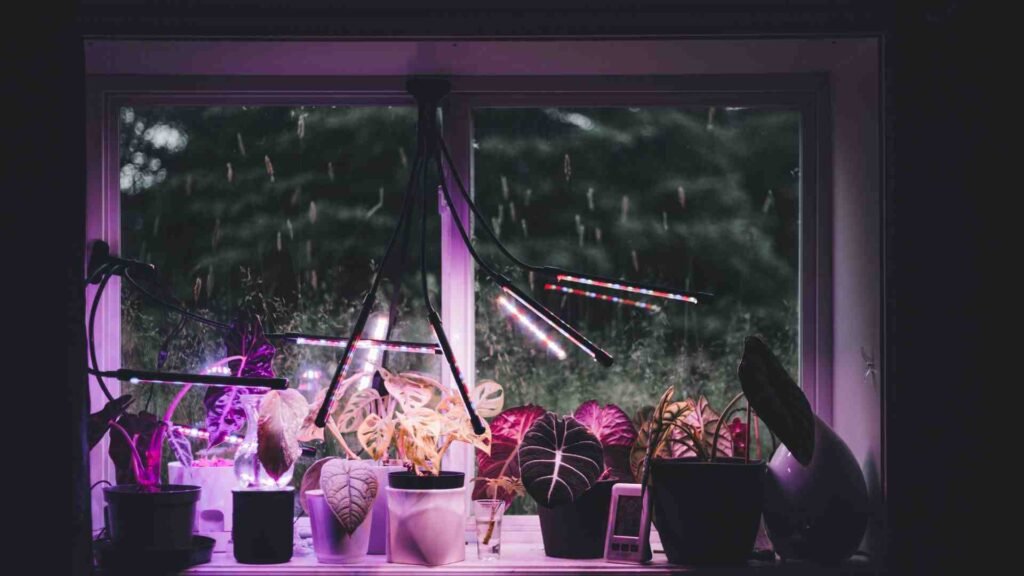
Low-light houseplants are adapted to grow under relatively limited light conditions.
Plants such as:
- Snake plants
- ZZ plants
- Pothos
- Chinese evergreens
- Some peace lilies
can generally survive with a relatively low DLI.
A range of approximately 2–6 mol/m²/day may be suitable for many low-light plants.
However, it is important to remember that low-light does not mean no-light. These plants still need enough usable light to support photosynthesis and maintain healthy growth.
Providing a moderate DLI may encourage faster growth, while extremely low light can result in slow development and weak growth.
DLI for Medium-Light Houseplants
Many popular tropical houseplants prefer moderate levels of daily light.
Examples include:
- Philodendrons
- Monsteras
- Spider plants
- Dracaenas
- Many indoor palms
A general DLI range of approximately 6–12 mol/m²/day can support healthy growth for many medium-light houseplants.
The exact requirement depends on the species and the growing environment.
If the plant receives natural light from a window along with supplemental grow lighting, the total daily light from both sources contributes to its overall DLI.
DLI for Seedlings
Seedlings need enough light to develop strong stems and healthy leaves.
A DLI of approximately 6–12 mol/m²/day can be suitable for many young plants.
Insufficient daily light can cause seedlings to stretch toward the light source, resulting in long, thin stems.
However, excessive light can also stress young plants.
A moderate PPFD combined with an appropriate photoperiod is often more effective than exposing seedlings to extremely intense light.
As seedlings mature, their lighting requirements may gradually increase.
DLI for Herbs
Most culinary herbs need moderate to relatively high daily light levels.
Plants such as:
- Basil
- Mint
- Parsley
- Cilantro
- Oregano
- Thyme
can benefit from a DLI of approximately 10–20 mol/m²/day, depending on the species and growth conditions.
Light-loving herbs such as basil often perform better at the higher end of the range, while other herbs may tolerate lower levels.
When growing herbs indoors, combining an appropriate PPFD with a longer daily photoperiod can help provide sufficient DLI without exposing plants to unnecessarily intense light.
DLI for Leafy Greens
Leafy vegetables are popular choices for indoor gardens because they can produce well under moderate lighting.
Common examples include:
- Lettuce
- Spinach
- Kale
- Arugula
- Bok choy
A general DLI range of approximately 12–20 mol/m²/day can support healthy growth for many leafy greens.
Providing too little light may result in slow growth and smaller leaves. Excessive light can increase water demand and may not always provide proportional improvements in growth.
A balanced lighting schedule is usually more efficient.
DLI for Flowering Plants
Flowering plants generally require more total daily light because producing flowers requires significant energy.
Many flowering plants perform well within a range of approximately 15–30 mol/m²/day.
The ideal DLI depends heavily on the specific species.
If the DLI is too low, a plant may produce healthy leaves but develop fewer flowers.
Providing appropriate light intensity and duration can help support stronger flowering and overall plant development.
DLI for Fruiting Vegetables
Fruiting crops usually have some of the highest light requirements in an indoor garden.
Plants such as:
- Tomatoes
- Peppers
- Cucumbers
- Strawberries
can benefit from approximately 20–40+ mol/m²/day, depending on the variety and growing environment.
These plants require significant energy to produce flowers and develop fruit.
A low DLI may allow the plant to survive and grow foliage, but fruit production can be limited.
When increasing DLI for fruiting crops, other growing conditions must also support the higher growth rate. Plants may require additional water, nutrients, airflow, and suitable temperatures.
How to Increase DLI Indoors
Indoor gardeners can increase DLI in two main ways: by increasing light intensity or extending the amount of time the grow lights operate.
Increase PPFD
Increasing the intensity of the grow light raises the amount of usable light reaching the plants each second.
You can increase PPFD by:
- Moving the grow light closer to the plants
- Increasing the fixture’s output
- Using a more powerful grow light
- Improving light distribution
- Adding supplemental lighting
Changes should be made gradually to avoid light stress.
Increase the Photoperiod
Another way to increase DLI is to keep the grow lights on for a longer period.
For example, extending a lighting schedule from 12 hours to 16 hours increases the total daily light received without changing the PPFD.
However, longer lighting periods are not always appropriate for every plant. Plants generally benefit from a regular light and dark cycle, and some species use darkness as part of their natural growth and flowering processes.
How to Reduce DLI
If plants are receiving too much daily light, you can reduce DLI by lowering either the light intensity or the photoperiod.
Possible adjustments include:
- Moving the grow light farther away
- Dimming the fixture
- Reducing the number of daily lighting hours
- Using a lower-output grow light
Reducing DLI may be necessary if plants show signs of excessive light exposure, such as bleaching, curling, or stressed foliage.
Why DLI Is More Useful Than Looking at PPFD Alone
PPFD is an important measurement, but it only shows the amount of light reaching a plant at a specific moment.
DLI provides a broader picture by considering the total light received throughout the day.
For example, two growers may use very different lighting setups:
Grower A
- PPFD: 250 µmol/m²/s
- Photoperiod: 16 hours
Grower B
- PPFD: 500 µmol/m²/s
- Photoperiod: 8 hours
Both setups can provide a similar total amount of daily light.
This demonstrates why simply choosing a grow light with the highest PPFD is not always necessary. By balancing intensity and duration, indoor gardeners can create a lighting schedule that better matches their plants’ requirements.
How to Calculate DLI for Indoor Plants
Once you know your plant’s PPFD and daily lighting hours, you can estimate its DLI.
The formula is:
DLI = PPFD × Light Hours × 3,600 ÷ 1,000,000
For example, if your grow light provides 300 µmol/m²/s and runs for 16 hours per day:
300 × 16 × 3,600 ÷ 1,000,000 = 17.28 mol/m²/day
Your plants would receive a DLI of approximately 17.3 mol/m²/day.
This calculation can help you adjust your lighting setup without immediately purchasing a more powerful grow light. Sometimes increasing or reducing the photoperiod is enough to bring the DLI closer to your plant’s needs.
Common DLI Mistakes to Avoid
Focusing Only on Grow Light Wattage
Wattage tells you how much electricity a grow light consumes, but it does not directly tell you how much usable light reaches your plants.
Two lights with the same wattage can produce very different PPFD levels. Always consider actual light intensity when estimating DLI.
Using the Same DLI for Every Plant
Different plants have different light requirements.
A low-light houseplant may become stressed under the same DLI that a tomato plant needs for fruit production. Match the daily light level to the specific plant you are growing.
Increasing Light Too Quickly
If plants have been growing under low light, suddenly exposing them to very high PPFD or a much higher DLI can cause stress.
Increase lighting gradually when possible and watch for signs such as leaf bleaching, curling, or unusual discoloration.
Ignoring the Photoperiod
A high PPFD does not automatically mean a plant is receiving enough daily light.
Likewise, extending the lighting period for many hours can increase DLI significantly even when the PPFD remains unchanged.
Always consider both intensity and duration.
Forgetting About Natural Light
If your plants receive sunlight from a window, that light also contributes to their total daily light exposure.
Supplemental grow lighting should be adjusted based on the amount of natural light already available.
Signs Your Plant May Be Receiving Too Little DLI
Insufficient daily light can affect plant growth in several ways.
Common signs include:
- Slow growth
- Long, stretched stems
- Smaller leaves
- Weak growth
- Pale foliage
- Reduced flowering
- Poor fruit production
These symptoms can also result from other issues, so low DLI is not always the only cause. However, if the plant is otherwise healthy and receives limited light, increasing the available daily light may help.
Signs Your Plant May Be Receiving Too Much DLI
Excessive daily light can also create problems.
Possible signs include:
- Leaf bleaching
- Faded leaf color
- Curling leaves
- Dry or crispy leaf edges
- Excessive water loss
- Stressed or damaged foliage
If these symptoms appear after increasing your grow light intensity or extending the lighting schedule, consider reducing the DLI gradually.
How to Improve Your Indoor Lighting Setup
The best indoor lighting setup provides enough usable light without creating unnecessary stress or wasting electricity.
Start by identifying your plant’s general light requirements. Then measure or estimate the PPFD at the plant canopy and decide how many hours per day the grow light should operate.
For many indoor plants, using a timer can make it easier to maintain a consistent schedule.
A practical approach is to:
- Determine your plant’s light requirements.
- Check the PPFD at the plant canopy.
- Choose an appropriate photoperiod.
- Estimate the resulting DLI.
- Monitor plant growth and adjust gradually.
This approach is more effective than simply placing a powerful grow light above your plants and leaving it on for an arbitrary number of hours.
Frequently Asked Questions
What is a good DLI for indoor plants?
The ideal DLI depends on the plant. Low-light houseplants may grow well around 2–6 mol/m²/day, while medium-light houseplants often need approximately 6–12 mol/m²/day. Herbs, leafy greens, flowering plants, and fruiting vegetables generally require progressively higher DLI levels.
Is DLI more important than PPFD?
Neither measurement is more important because they provide different information.
PPFD tells you the intensity of usable light reaching the plant, while DLI tells you the total amount of light received throughout the day. Using both measurements together provides a more complete understanding of your lighting setup.
Can I increase DLI by leaving grow lights on longer?
Yes. Increasing the number of hours your grow light operates will increase DLI if the PPFD remains the same.
However, plants still need an appropriate light and dark cycle, so extending the photoperiod indefinitely is not recommended.
How do I know my plant’s DLI?
You can calculate DLI if you know the PPFD at the plant canopy and the number of hours the plant receives that light.
You can also use a dedicated light meter or PAR meter to measure PPFD more accurately.
Does sunlight contribute to DLI?
Yes. All photosynthetically useful light received by the plant contributes to its total daily light exposure, including natural sunlight and supplemental grow lighting.
Can low-light plants survive under a high DLI?
Some low-light plants can tolerate brighter conditions if they are gradually acclimated, but excessively high light may cause stress or leaf damage. It is generally best to provide light levels appropriate for the specific plant.
Final Thoughts
Understanding DLI for indoor plants gives you a more complete way to manage grow lights. Instead of looking only at how intense your light is, DLI helps you understand the total amount of usable light your plants receive throughout the day.
PPFD measures the intensity of light at a specific moment, while DLI combines that intensity with the length of the photoperiod. This makes DLI especially useful for indoor gardeners because both factors can be controlled.
The ideal DLI depends on the type of plant you are growing. Low-light houseplants require relatively little daily light, while herbs, leafy greens, flowering plants, and fruiting vegetables generally need much higher levels.
The key is finding the right balance. Increasing PPFD, extending the photoperiod, or combining both can raise DLI, but more light is not always better. Match the lighting conditions to your plant’s needs, monitor its response, and make adjustments gradually.
By understanding DLI alongside PAR and PPFD, you can create a more efficient and effective indoor growing environment and give your plants the light they need for healthier growth.