
Different Types of Plant Pots
Choosing the right plant pot is just as important as selecting the right plant. A suitable pot provides adequate space for root growth, proper drainage, and the right environment for healthy development. Whether you’re growing houseplants, herbs, vegetables, succulents, or flowering plants, the type of pot you choose can influence watering frequency, soil temperature, and overall plant health.
Today, plant pots are available in a wide range of materials, shapes, and designs. Some are lightweight and affordable, while others are decorative and built to last for decades. Each type has unique advantages and disadvantages, making certain pots better suited for specific plants and growing conditions.
In this guide, you’ll learn about the most common types of plant pots, their features, benefits, drawbacks, and the best situations for using each one. By understanding these differences, you can confidently select the ideal pot for your indoor or outdoor garden.
Quick Answer
Plant pots come in many varieties, including plastic, terracotta, ceramic, concrete, metal, wooden, fabric, fiberglass, hanging, self-watering, nursery, and biodegradable pots. The best option depends on your plant’s water needs, size, location, and your gardening preferences.
Quick Comparison
| Pot Type | Best For | Weight | Durability |
|---|---|---|---|
| Plastic | Beginners | Light | Good |
| Terracotta | Succulents | Medium | Good |
| Ceramic | Indoor décor | Heavy | Excellent |
| Fabric | Vegetables | Very Light | Good |
| Self-Watering | Busy gardeners | Medium | Excellent |
Comparison Table
| Pot Type | Drainage | Moisture Retention | Indoor | Outdoor |
|---|---|---|---|---|
| Plastic | Good | High | Yes | Yes |
| Terracotta | Excellent | Low | Yes | Yes |
| Ceramic | Good | Medium | Yes | Yes |
| Concrete | Good | Medium | Limited | Excellent |
| Metal | Fair | Low | Limited | Yes |
| Wood | Good | Medium | Yes | Yes |
| Fabric | Excellent | Medium | Yes | Yes |
| Fiberglass | Good | Medium | Yes | Yes |
| Hanging | Good | Medium | Yes | Yes |
| Self-Watering | Excellent | High | Yes | Yes |
| Nursery | Good | Medium | Temporary | Temporary |
| Biodegradable | Good | Medium | Seedlings | Seedlings |
1. Plastic Plant Pots
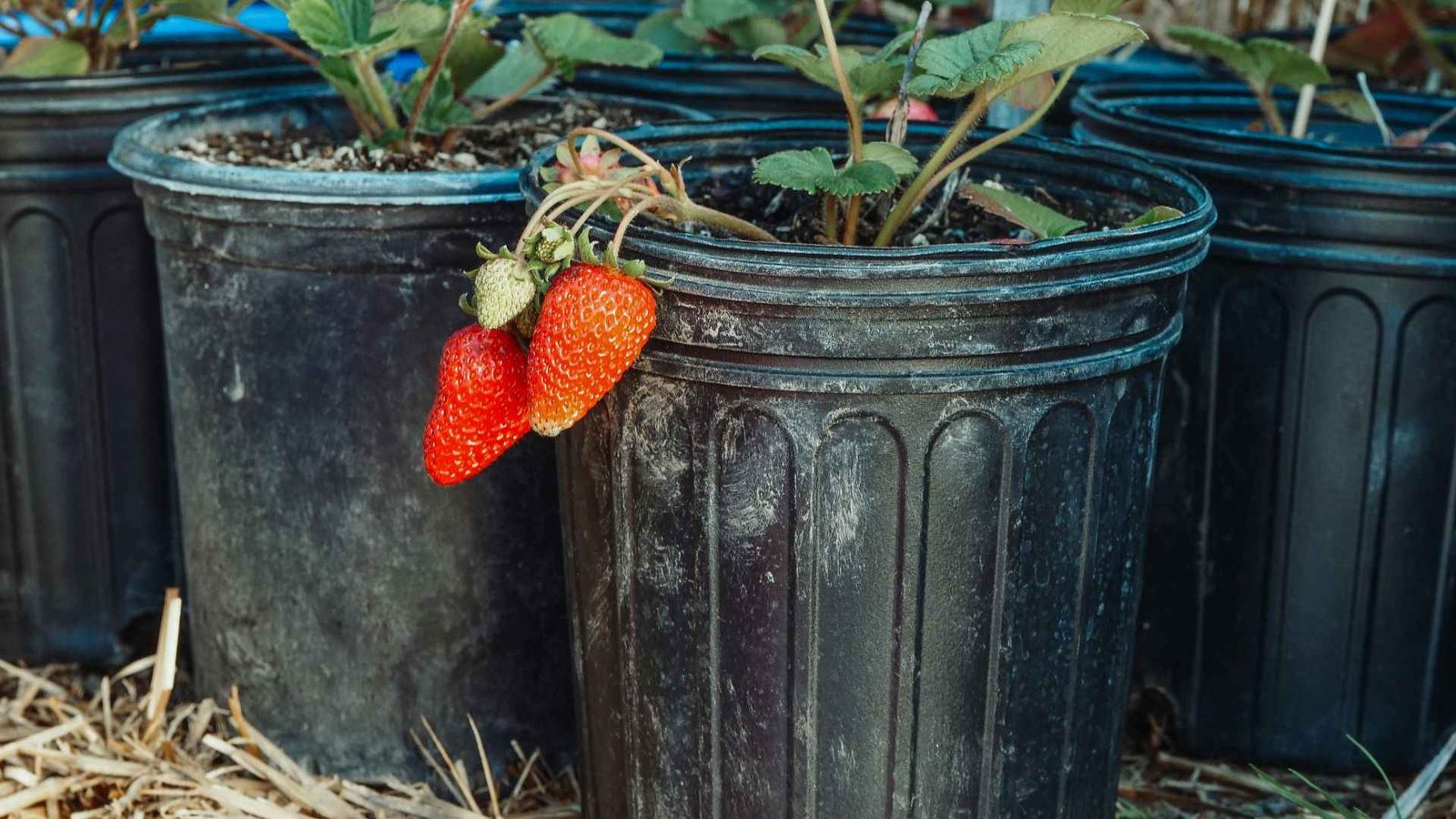
Plastic pots are among the most popular choices for home gardeners. They are inexpensive, lightweight, and available in countless sizes, shapes, and colors.
Because plastic doesn’t absorb water, the soil stays moist for longer, making these pots ideal for plants that prefer consistently moist soil. They’re also easy to move, making them perfect for balconies, patios, and indoor spaces.
However, lower-quality plastic may become brittle after prolonged exposure to sunlight.
Best for: Houseplants, herbs, vegetables, beginners, and budget-conscious gardeners.
2. Terracotta Plant Pots
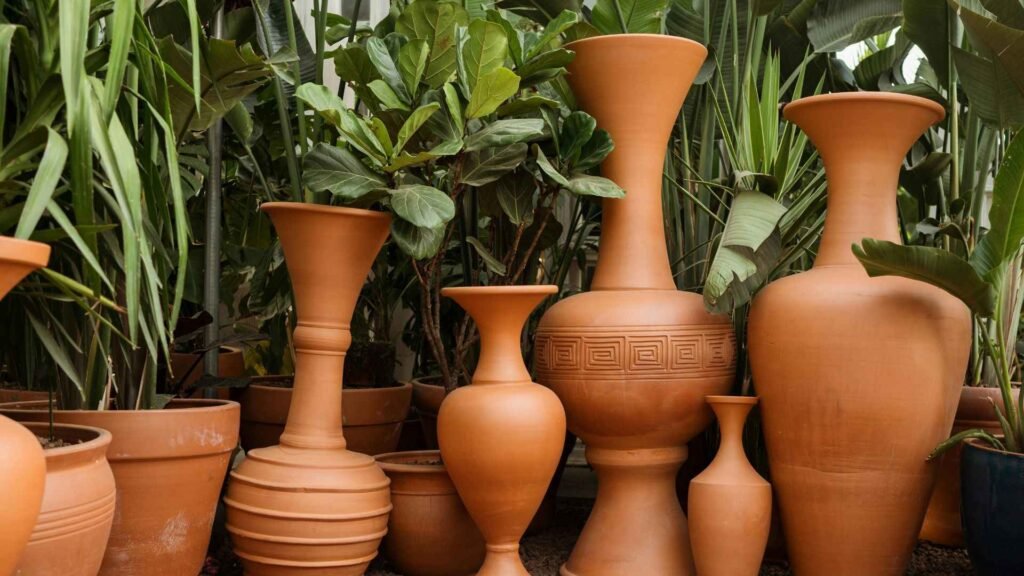
Terracotta pots are made from natural clay and have been used for centuries. Their porous surface allows air and moisture to move through the walls of the pot, helping prevent overwatering.
This natural evaporation keeps the soil drier, making terracotta an excellent choice for drought-tolerant plants.
The downside is that they dry out quickly and can crack if dropped or exposed to freezing temperatures.
Best for: Succulents, cacti, lavender, rosemary, and Mediterranean plants.
3. Ceramic Plant Pots
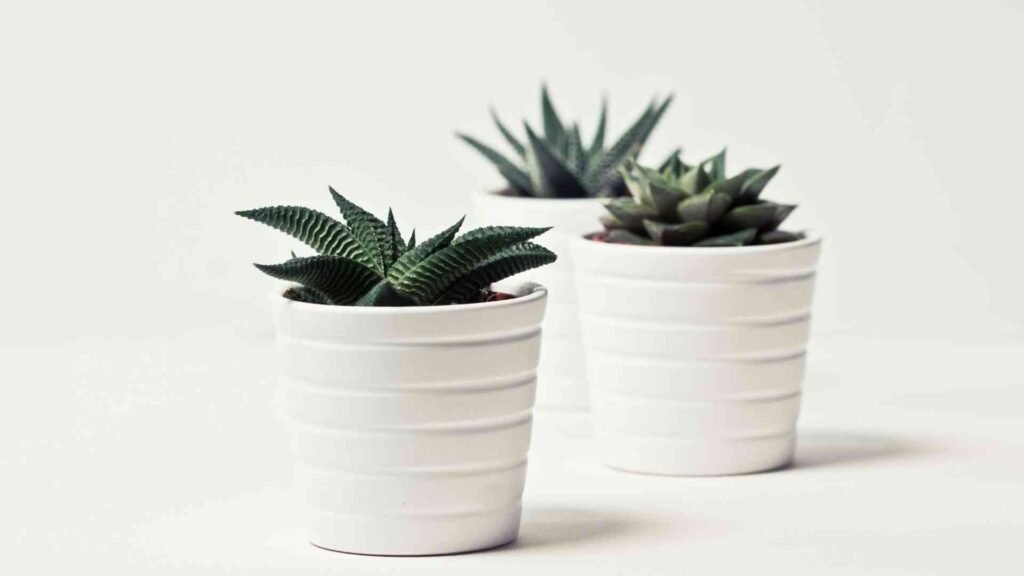
Ceramic pots combine functionality with decorative appeal. Available in glazed and unglazed finishes, they are commonly used as indoor decorative containers.
Glazed ceramic retains moisture better than terracotta while offering an elegant appearance suitable for homes and offices.
Their primary disadvantages are weight and cost. Large ceramic pots can be difficult to move and are more expensive than plastic alternatives.
Best for: Decorative indoor plants, orchids, peace lilies, and flowering houseplants.
4. Concrete Plant Pots
Concrete pots are extremely durable and ideal for large outdoor plants. Their heavy weight provides excellent stability, making them resistant to strong winds.
Concrete also helps insulate plant roots from temperature fluctuations.
Because of their weight, these pots are not practical for gardeners who frequently rearrange plants.
Best for: Trees, shrubs, large ornamental plants, and permanent landscape displays.
5. Metal Plant Pots
Metal pots offer a modern and industrial appearance that complements contemporary gardens and interiors.
Materials such as galvanized steel, aluminum, and stainless steel are commonly used.
Although attractive, metal heats up quickly in direct sunlight, which can stress plant roots during hot weather. Proper drainage is also essential to prevent standing water.
Best for: Decorative displays, modern gardens, and seasonal arrangements.
6. Wooden Plant Pots
Wooden planters provide a warm, natural look that blends beautifully with outdoor spaces. Cedar, redwood, and treated pine are popular choices because they resist decay better than untreated wood.
Wood naturally insulates plant roots, helping protect them from extreme temperatures.
Regular maintenance, such as sealing or staining, extends the lifespan of wooden containers.
Best for: Vegetables, herbs, flowers, raised gardens, and patio plants.
7. Fabric Grow Bags
Fabric pots, also known as grow bags, have become increasingly popular among vegetable gardeners.
Made from breathable fabric, they encourage air pruning. When roots reach the side of the container, exposure to air causes them to branch rather than circle around the pot.
This results in healthier, denser root systems.
Fabric pots also provide excellent drainage, reducing the risk of root rot.
They require more frequent watering because moisture evaporates faster than in plastic containers.
Best for: Tomatoes, peppers, potatoes, herbs, and other vegetables.
8. Fiberglass Plant Pots
Fiberglass pots offer the appearance of stone, ceramic, or concrete without the heavy weight.
They are weather-resistant, durable, and easy to move, making them suitable for both residential and commercial landscapes.
Although they cost more than plastic containers, their durability often makes them a worthwhile long-term investment.
Best for: Large indoor plants, patios, offices, and commercial landscaping.
9. Hanging Plant Pots
Hanging pots maximize vertical space while creating attractive plant displays.
They are available in plastic, ceramic, coconut coir, and metal designs.
Proper watering is important because hanging baskets often dry out faster than ground-level containers due to increased air circulation.
Best for: Spider plants, pothos, English ivy, ferns, and trailing flowers.
10. Self-Watering Plant Pots
Self-watering pots include a built-in water reservoir beneath the soil. Plants draw water through a wick or capillary system as needed.
These containers help maintain consistent soil moisture and reduce the frequency of watering.
While convenient, they still require occasional monitoring to prevent algae growth or mineral buildup.
Best for: Busy gardeners, office plants, herbs, African violets, and tropical houseplants.
11. Nursery Pots
Nursery pots are the lightweight plastic containers plants are sold in at garden centers.
They’re inexpensive, functional, and designed for temporary use during production and transport.
Most gardeners transplant plants from nursery pots into more permanent containers after purchase, although healthy plants can remain in them for a period if drainage is adequate.
Best for: Seedlings, temporary growing, propagation, and transplanting.
12. Biodegradable Plant Pots
Biodegradable pots are made from materials such as peat, coconut fiber, paper pulp, rice husks, or compressed wood fibers.
Instead of removing the seedling from the container, gardeners plant the entire pot directly into the soil, where it gradually decomposes.
This minimizes transplant shock and reduces root disturbance.
These pots should be planted before they begin breaking down excessively.
Best for: Seed starting, vegetables, annual flowers, and young plants.
How to Choose the Right Plant Pot
Selecting the right pot depends on several factors beyond appearance.
First, consider the plant’s watering requirements. Moisture-loving plants generally perform well in plastic, ceramic, or self-watering pots, while drought-tolerant plants prefer breathable containers such as terracotta or fabric grow bags.
Next, think about the size of the mature plant. Small containers may restrict root growth, while excessively large pots can hold too much water and increase the risk of root rot.
Weight is another consideration. Heavy materials like concrete and ceramic provide stability outdoors, whereas lightweight plastic and fiberglass are easier to move indoors or on balconies.
Finally, ensure every pot has adequate drainage holes. Good drainage prevents waterlogging, improves root health, and significantly reduces the likelihood of fungal diseases.
Common Mistakes When Choosing Plant Pots
Many gardeners choose pots based solely on appearance, overlooking important practical considerations.
Common mistakes include:
- Choosing a pot without drainage holes.
- Selecting a container that’s too large or too small.
- Ignoring the plant’s moisture requirements.
- Using metal pots in hot, sunny locations without insulation.
- Forgetting that fabric and terracotta pots require more frequent watering.
- Repotting too often instead of allowing healthy root development.
Avoiding these mistakes helps plants establish stronger root systems and grow more successfully.
Frequently Asked Questions
Which type of plant pot is best?
There is no single best type. Plastic pots are excellent for beginners, terracotta suits succulents, fabric pots work well for vegetables, and ceramic pots are ideal for decorative indoor plants.
Are terracotta pots better than plastic pots?
Terracotta provides better airflow and dries faster, making it ideal for plants that dislike wet soil. Plastic retains moisture longer and is better for moisture-loving plants.
Do all plant pots need drainage holes?
Yes. Drainage holes allow excess water to escape, preventing root rot and promoting healthy root growth.
What size plant pot should I choose?
Choose a pot that is about 1 to 2 inches wider than the current root ball for small plants and 2 to 4 inches wider for larger plants.
Are self-watering pots worth buying?
Yes. They simplify watering and maintain consistent soil moisture, especially for busy gardeners or indoor plants that require regular watering.
Final Thoughts
The right plant pot does much more than hold soil—it creates the environment where roots develop, moisture is managed, and plants thrive. Whether you prefer affordable plastic pots, classic terracotta containers, elegant ceramic planters, breathable fabric grow bags, or innovative self-watering designs, each option offers unique advantages.
Consider your plant’s water needs, the growing location, available space, and your maintenance routine before making a decision. By matching the pot to the plant, you’ll encourage healthier roots, stronger growth, and a more attractive indoor or outdoor garden.