Introduction
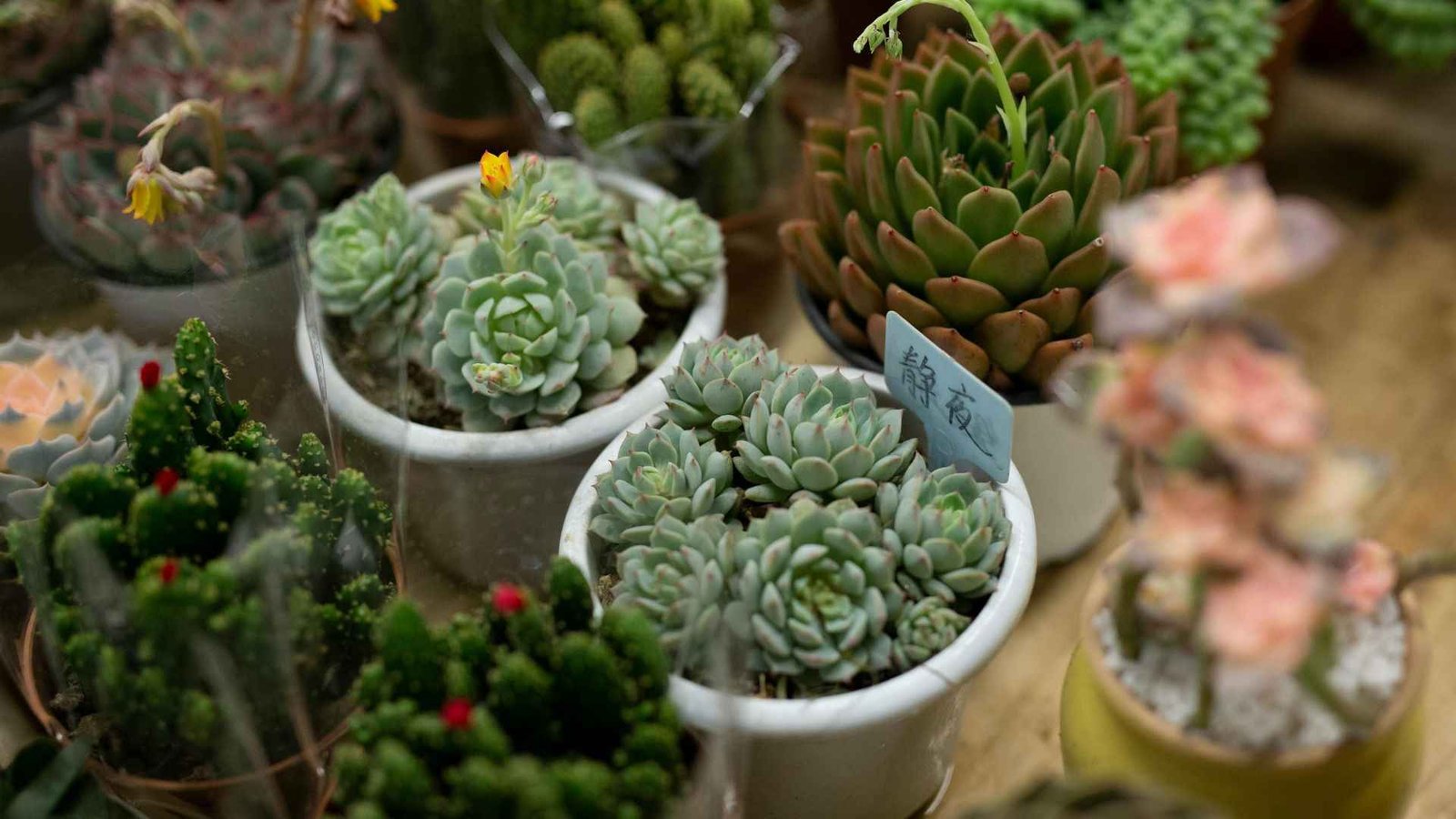
What Are Plant Pots and Planters? Whether you’re growing a single succulent on your desk or creating a thriving indoor jungle, one of the first decisions you’ll make is choosing the right container for your plants. While sunlight, water, and soil are essential for healthy growth, the container you use plays an equally important role. Plant pots and planters not only hold the growing medium but also influence root development, drainage, moisture retention, and the overall health of your plants.
Many beginners assume that all plant containers are the same. However, there are significant differences between plant pots and planters. Some are designed primarily for healthy root growth, while others focus on enhancing the appearance of your home or garden. The material, size, shape, and drainage features of a container can directly affect how often you water your plants, how quickly the soil dries out, and even how large your plants can grow.
Today, plant pots and planters are available in countless styles, materials, and designs. From lightweight plastic nursery pots to elegant ceramic containers and rustic wooden planters, every option offers unique advantages and disadvantages. Understanding these differences helps you make informed decisions and avoid common mistakes that can lead to unhealthy plants.
In this guide, you’ll learn exactly what plant pots and planters are, how they differ, the various types available, the most common materials used, and how to choose the best container for your indoor plants. Whether you’re just starting your indoor gardening journey or looking to upgrade your current containers, this guide will provide everything you need to know.
Quick Answer
Plant pots and planters are containers designed to hold plants and growing media such as potting soil. A plant pot is typically a functional container with drainage holes that supports healthy root growth and proper water management. A planter is often larger and more decorative, designed to display one or more plants while complementing indoor or outdoor spaces. Choosing the right container depends on your plant’s size, root system, watering requirements, and where the plant will be placed.
Quick Comparison
| Feature | Plant Pot | Planter |
|---|---|---|
| Primary Purpose | Growing plants | Growing and displaying plants |
| Drainage Holes | Usually included | Sometimes included |
| Typical Size | Small to medium | Medium to very large |
| Decorative Value | Functional with some decorative options | Highly decorative |
| Portability | Easy to move | Often heavier |
| Best For | Individual plants | Decorative arrangements or multiple plants |
Comparison Table
| Feature | Plant Pots | Planters |
| Designed For | Healthy plant growth | Plant growth and decoration |
| Number of Plants | Usually one | One or multiple |
| Indoor Use | Excellent | Excellent |
| Outdoor Use | Excellent | Excellent |
| Weight | Light to moderate | Moderate to heavy |
| Drainage | Usually built-in | May require an inner pot |
| Cost | Generally affordable | Varies from budget to premium |
| Maintenance | Simple | Depends on material and design |
Detailed Guide
What Is a Plant Pot?
A plant pot is a container specifically designed to grow a plant. It holds the potting mix, supports the root system, and provides enough space for roots to expand as the plant matures. Most plant pots include one or more drainage holes at the bottom, allowing excess water to escape after watering.
Good drainage is essential because plant roots require oxygen as much as they need water. When excess moisture remains trapped inside a container, the roots stay constantly wet, increasing the risk of root rot, fungal diseases, and poor plant growth. This is why functional plant pots are designed with drainage in mind.
Plant pots are available in a wide range of sizes, from tiny two-inch pots used for seedlings and succulents to large containers capable of supporting indoor trees. They are commonly used in homes, offices, greenhouses, grow tents, and outdoor gardens.
Most nursery plants purchased from garden centers already come in simple plastic plant pots. These containers are inexpensive, lightweight, and designed primarily to promote healthy growth rather than decoration.
Common Characteristics of Plant Pots
Plant pots typically offer several practical features that make them ideal for growing healthy plants:
- Built-in drainage holes
- Lightweight or moderately heavy construction
- Easy to repot when plants outgrow their containers
- Available in many sizes and materials
- Suitable for almost every type of houseplant
- Designed to encourage healthy root development
Because they prioritize functionality, plant pots are often the preferred choice for beginners who are learning how to care for indoor plants.
What Is a Planter?
A planter is a container designed to grow, display, and showcase plants. While it serves the same basic purpose as a plant pot, a planter places greater emphasis on appearance, design, and decoration.
Planters are often larger than standard plant pots and come in a wide variety of shapes, colors, and finishes. They can be used indoors to complement home décor or outdoors to enhance patios, balconies, entrances, and gardens.
Some planters include drainage holes, making them suitable for direct planting. Others are decorative cachepots that hold a nursery pot inside. This allows gardeners to enjoy the visual appeal of a decorative planter while still providing proper drainage for the plant.
Large planters are also commonly used for grouping several plants together, creating attractive arrangements that add greenery to living spaces.
Common Characteristics of Planters
Most planters share several features that distinguish them from ordinary plant pots:
- Decorative designs and finishes
- Larger capacity for mature plants
- Available in modern, rustic, traditional, and minimalist styles
- Can hold one or multiple plants
- Suitable for both indoor and outdoor use
- Available with or without drainage holes
Planters combine practicality with aesthetics, making them popular among homeowners who want healthy plants while enhancing the overall look of their space.
Plant Pot vs. Planter
Although the terms are often used interchangeably, understanding the distinction between a plant pot and a planter can help you choose the right container for your gardening needs.
A plant pot is primarily a functional growing container. Its main purpose is to provide the ideal environment for healthy root development by ensuring adequate drainage, proper soil support, and room for root growth. Plant pots are generally simpler in design and are often used as nursery containers or everyday growing pots.
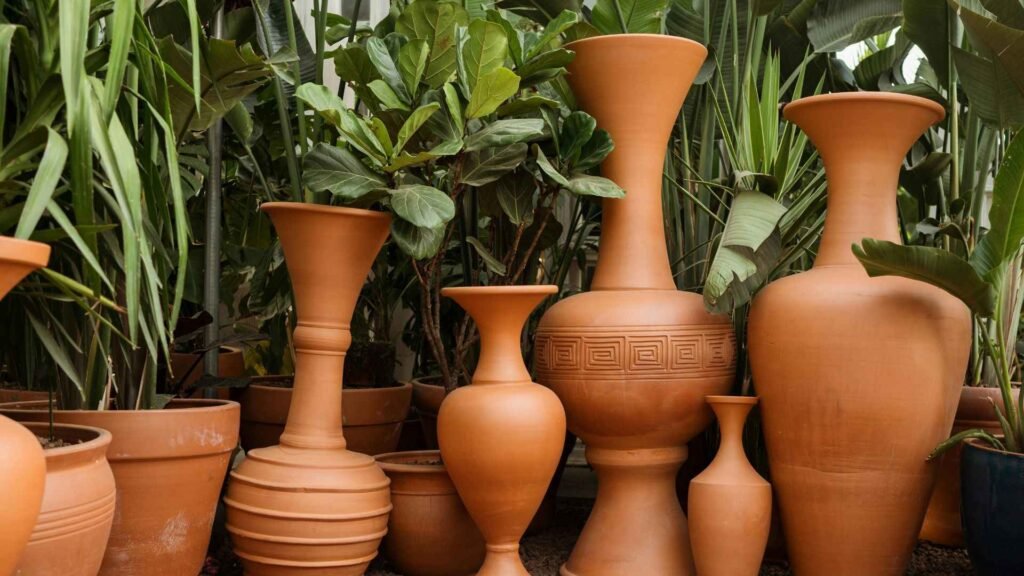
A planter, on the other hand, serves both a functional and decorative role. While it can certainly be used for growing plants, it is also intended to enhance the visual appeal of a room, balcony, or garden. Many planters feature stylish finishes, premium materials, and unique shapes that make them decorative pieces in their own right.
Many indoor gardeners use both together by placing a functional nursery pot inside a decorative planter. This approach combines the benefits of proper drainage with an attractive appearance and also makes watering and repotting much easier.
Plant Pot Advantages
- Excellent drainage for healthy roots
- Easier to repot plants
- Lightweight and portable
- More affordable than decorative planters
- Suitable for beginners
Planter Advantages
- Improves interior and exterior décor
- Available in numerous stylish designs
- Ideal for larger plants and plant arrangements
- Creates a polished, finished appearance
- Available in premium materials that complement different decorating styles
Types of Plant Pots and Planters
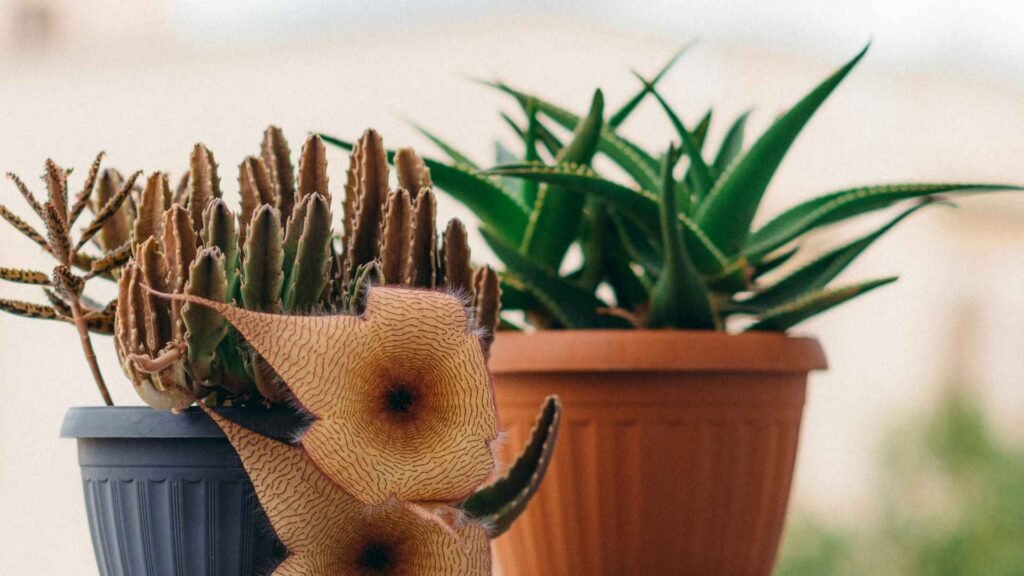
Plant containers come in many different styles, each designed for specific growing conditions or decorative purposes. Choosing the right type depends on your plant’s needs, available space, and personal preferences.
Standard Nursery Pots
Nursery pots are the most common type of plant pot. They are usually made from lightweight plastic and include multiple drainage holes to encourage healthy root growth.
These pots are widely used by commercial growers because they are inexpensive, durable, and easy to transport. Many gardeners continue growing their plants in nursery pots before placing them inside decorative planters.
Nursery pots are ideal for:
- Houseplants
- Seedlings
- Herbs
- Vegetable starts
- Plants that require frequent repotting
Decorative Indoor Planters
Decorative planters are designed to enhance the appearance of indoor spaces while displaying houseplants beautifully. They are available in countless colors, textures, patterns, and finishes that suit nearly every home décor style.
Some decorative planters include drainage holes, while others function as outer containers that hold nursery pots.
They are commonly used for:
- Living rooms
- Offices
- Bedrooms
- Entryways
- Dining areas
Decorative planters allow homeowners to match their plants with modern, traditional, Scandinavian, rustic, or minimalist interior designs.
Hanging Pots and Hanging Planters
Hanging pots and planters are excellent solutions for gardeners who want to maximize growing space without taking up valuable floor or shelf areas. Suspended from ceilings, wall brackets, or specially designed hooks, these containers allow plants to cascade naturally, creating an attractive display while improving airflow around the foliage.
They are especially popular in apartments, small homes, and offices where space is limited. Hanging containers also make it easier to showcase trailing plants that might otherwise spread across furniture or shelves.
Popular plants for hanging pots include:
- Pothos
- Spider Plants
- String of Pearls
- English Ivy
- Philodendrons
- Boston Ferns
When choosing a hanging planter, ensure that it is lightweight enough to be safely supported and includes proper drainage. Because hanging containers tend to dry out faster due to increased air circulation, plants may require more frequent watering than those placed on shelves or the floor.
Self-Watering Pots
Self-watering pots are designed to reduce the risk of underwatering by providing a built-in water reservoir beneath the soil. Instead of watering from the top every few days, the plant gradually absorbs moisture through a wick or capillary system as needed.
This design helps maintain more consistent soil moisture, making self-watering containers particularly useful for busy homeowners or people who travel frequently.
Advantages of Self-Watering Pots
- Less frequent watering
- More consistent soil moisture
- Reduced risk of drought stress
- Convenient for beginners
- Suitable for many indoor plants
Possible Drawbacks
While convenient, self-watering pots are not ideal for every plant. Species that prefer dry conditions, such as succulents and cacti, can suffer if the soil remains moist for extended periods.
These containers also require occasional cleaning to prevent mineral deposits, algae growth, or clogged watering systems.
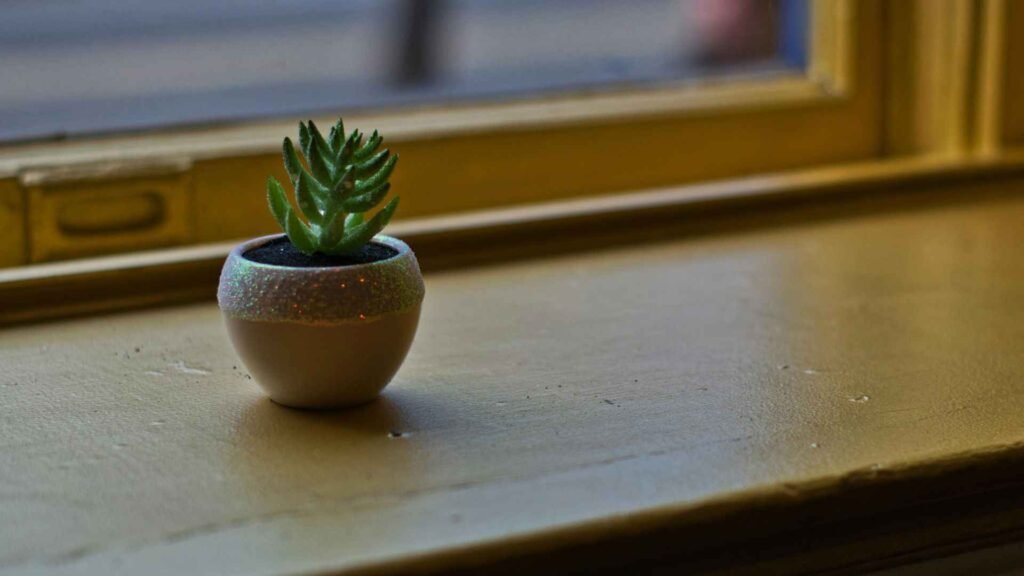
Window Boxes
Window boxes are rectangular planters installed beneath windows, along balconies, or attached to railings. Although commonly used outdoors, they can also be placed inside large windows that receive abundant sunlight.
Their elongated shape provides enough space for multiple plants, allowing gardeners to grow colorful flowers, herbs, leafy greens, or compact vegetables in a single container.
Window boxes are an excellent choice for:
- Herbs
- Annual flowers
- Lettuce
- Strawberries
- Decorative foliage plants
Choosing a window box with adequate drainage is essential because excess water can quickly accumulate in long containers.
Raised Planters
Raised planters are larger containers that elevate plants above ground level. Indoors, they are often used as decorative furniture pieces, while outdoors they help improve accessibility and reduce strain during gardening.
Many raised planters include built-in shelves, storage compartments, or wheels for easier movement.
Benefits include:
- Easier access for watering and maintenance
- Improved air circulation
- Better drainage
- Stylish appearance
- Reduced contact with cold or damp floors
Raised planters are especially suitable for larger tropical houseplants, indoor trees, or decorative plant arrangements.
Common Materials Used for Plant Pots and Planters
The material of a plant container affects much more than its appearance. It influences moisture retention, airflow, durability, insulation, maintenance, weight, and even how frequently you’ll need to water your plants.
Understanding the strengths and weaknesses of each material helps you choose the best option for both your plants and your living space.
Plastic Pots
Plastic pots remain one of the most widely used options for indoor gardening because they are affordable, lightweight, and practical.
Unlike porous materials, plastic does not absorb water. This allows the potting mix to retain moisture longer, making plastic containers especially useful for plants that prefer consistently moist soil.
Advantages
- Lightweight and easy to move
- Affordable for every budget
- Durable and resistant to breakage
- Available in countless sizes and colors
- Retains soil moisture longer
- Excellent for beginners
Disadvantages
- Limited airflow around roots
- Can become brittle after years of sun exposure
- Less premium appearance than ceramic or terracotta
Best For
- Tropical houseplants
- Herbs
- Vegetables
- Seedlings
- Beginners
Terracotta Pots
Terracotta pots have been used for centuries and remain one of the most popular choices for gardeners. Made from natural clay, they feature a porous surface that allows both moisture and air to move through the container walls.
This natural breathability helps prevent overly wet soil and encourages healthier root systems.
Advantages
- Excellent airflow
- Helps prevent overwatering
- Natural, timeless appearance
- Heavy enough to support taller plants
- Environmentally friendly
Disadvantages
- Soil dries out more quickly
- Heavier than plastic
- Can crack if dropped or exposed to freezing temperatures
- Requires more frequent watering
Best For
- Succulents
- Cacti
- Snake Plants
- Aloe Vera
- Mediterranean herbs
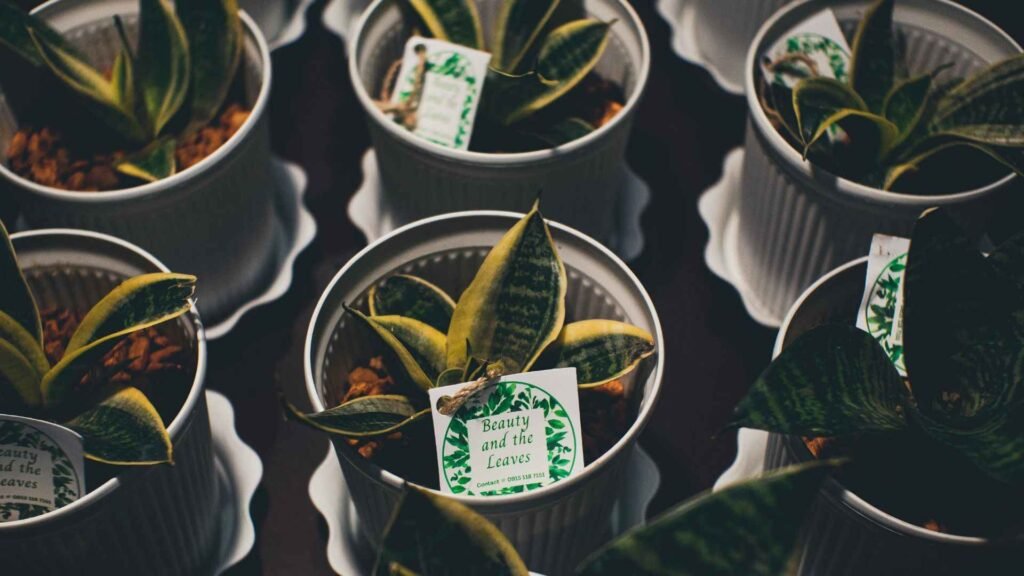
Ceramic Pots
Ceramic pots combine functionality with elegance. Available in glazed and unglazed finishes, they are often chosen because they enhance home décor while providing a stable environment for growing plants.
Glazed ceramic pots retain moisture longer than terracotta because the glaze reduces water evaporation through the container walls.
Advantages
- Beautiful decorative appearance
- Available in countless colors and styles
- Stable for larger plants
- Long-lasting with proper care
- Suitable for both modern and traditional interiors
Disadvantages
- More expensive than plastic
- Heavy to move
- Can chip or crack if dropped
Best For
- Flowering houseplants
- Fiddle Leaf Figs
- Peace Lilies
- Rubber Plants
- Decorative indoor displays
Fabric Grow Bags
Fabric pots, often called grow bags, have become increasingly popular among indoor gardeners and hydroponic growers. Instead of solid walls, these containers use breathable fabric that allows air to reach the root system from every direction.
One of their biggest advantages is air pruning. When roots reach the fabric wall, they stop growing outward and instead branch into smaller feeder roots. This creates a healthier, denser root system capable of absorbing more nutrients and water.
Advantages
- Outstanding drainage
- Excellent airflow
- Encourages healthier root growth
- Lightweight and foldable
- Easy to store
Disadvantages
- Soil dries out quickly
- Requires more frequent watering
- Less decorative than ceramic or wood
Best For
- Vegetables
- Herbs
- Indoor grow tents
- Fast-growing plants
- Plants that benefit from vigorous root development
Wooden Planters
Wooden planters offer a warm, natural appearance that complements almost any home or garden style. They also provide excellent insulation, helping keep root temperatures more stable than metal or plastic containers.
Many premium wooden planters are constructed from cedar, redwood, or treated pine because these woods naturally resist moisture and decay.
Advantages
- Attractive natural appearance
- Excellent insulation
- Strong and durable
- Suitable for large plants
- Environmentally friendly when sustainably sourced
Disadvantages
- Requires occasional maintenance
- Can rot if constantly exposed to moisture
- Generally heavier than plastic containers
Best For
- Indoor trees
- Large tropical plants
- Decorative living spaces
- Rustic or farmhouse décor
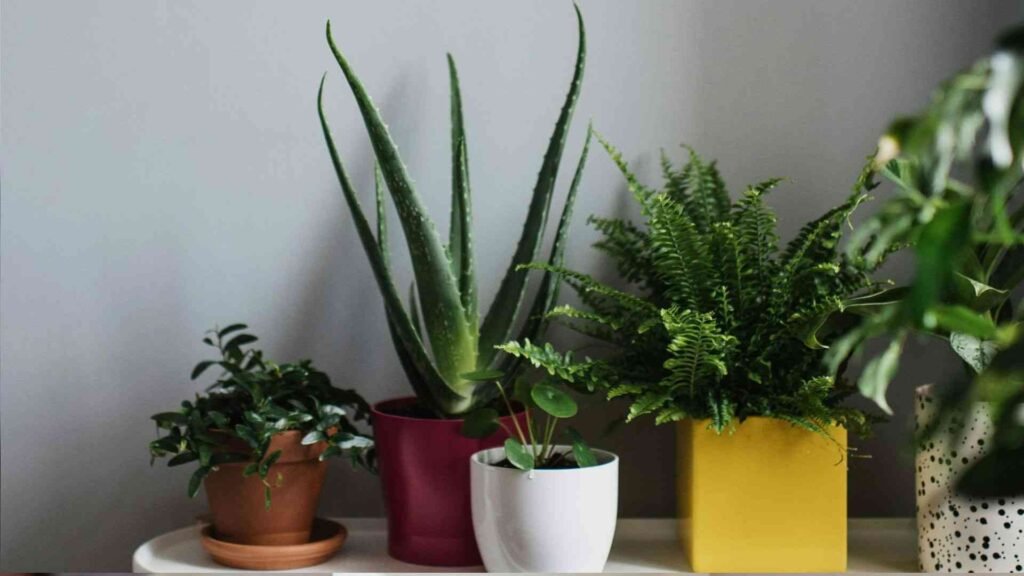
Metal Planters
Metal planters have become increasingly popular in modern homes because of their sleek appearance and exceptional durability. They are available in materials such as galvanized steel, aluminum, copper, and stainless steel, making them suitable for both indoor and outdoor spaces.
These planters work particularly well in contemporary, industrial, and minimalist interiors. However, metal conducts heat much more quickly than other materials, which means the soil can warm up or cool down rapidly depending on the surrounding environment.
For indoor gardening, this is usually less of a concern because room temperatures remain relatively stable. Outdoors, however, prolonged exposure to direct sunlight can cause metal containers to become extremely hot, potentially stressing plant roots.
Advantages
- Modern and stylish appearance
- Extremely durable
- Resistant to pests
- Available in many finishes
- Long lifespan with proper care
Disadvantages
- Can heat up quickly in direct sunlight
- Some metals may rust without protective coatings
- Usually more expensive than plastic pots
- Heavier than many lightweight alternatives
Best For
- Modern home décor
- Office plants
- Contemporary interiors
- Decorative indoor displays
Fiberglass Planters
Fiberglass planters are a premium option that combines the elegant appearance of ceramic or stone with the lightweight benefits of plastic. They have become increasingly popular among interior designers because they are durable, weather-resistant, and easy to move despite their large size.
Unlike ceramic containers, fiberglass planters rarely crack during normal use. They also resist fading, moisture damage, and temperature fluctuations, making them suitable for both indoor and outdoor environments.
Advantages
- Lightweight despite large sizes
- Highly durable
- Resistant to cracking
- Attractive modern appearance
- Low maintenance
Disadvantages
- Higher initial cost
- Limited availability in some regions
- Premium models can be expensive
Best For
- Large indoor plants
- Indoor trees
- Commercial spaces
- Luxury home décor
Concrete Planters
Concrete planters are among the strongest and most durable plant containers available. Their substantial weight makes them ideal for supporting large plants that might otherwise tip over in lightweight pots.
Because concrete naturally insulates the soil, it helps protect plant roots from sudden temperature changes. However, these containers are extremely heavy, making relocation difficult once filled with soil.
Advantages
- Extremely durable
- Excellent stability
- Strong insulation
- Long-lasting
- Ideal for mature plants
Disadvantages
- Very heavy
- Difficult to move
- Can be costly
- May require sealing over time
Best For
- Large indoor trees
- Statement plants
- Permanent plant displays
- Commercial entrances
Recycled and Eco-Friendly Planters
As sustainable gardening becomes more popular, many manufacturers now produce eco-friendly plant containers using recycled plastics, bamboo fiber, coconut coir, rice husks, or biodegradable materials.
These environmentally conscious options help reduce waste while still providing healthy growing conditions for plants.
Many biodegradable pots are especially useful for seedlings because they can often be planted directly into the soil, minimizing root disturbance during transplanting.
Advantages
- Environmentally friendly
- Made from renewable or recycled materials
- Lightweight
- Available in many attractive styles
Disadvantages
- Durability varies by material
- Some biodegradable pots have shorter lifespans
- Premium eco-friendly products may cost more
Best For
- Seedlings
- Sustainable gardening
- Eco-conscious homeowners
- Indoor herb gardens
Why Drainage Holes Matter
One of the most important features of any plant pot is proper drainage. While attractive designs often catch our attention first, drainage is what keeps most plants healthy over the long term.
Plant roots need both water and oxygen. When excess water cannot escape from the container, the soil remains saturated, pushing oxygen out of the root zone. Without enough oxygen, roots begin to weaken, making plants more vulnerable to diseases and poor growth.
Overwatering is one of the most common reasons houseplants die, and containers without drainage holes often make the problem worse.
Benefits of Drainage Holes
- Prevent excess water buildup
- Reduce the risk of root rot
- Improve oxygen availability
- Encourage stronger root systems
- Help flush excess fertilizer salts from the soil
If you fall in love with a decorative planter that doesn’t have drainage holes, don’t worry. A simple solution is to place your plant in a nursery pot with drainage and set that inside the decorative planter. When it’s time to water, remove the nursery pot, allow excess water to drain completely, and then return it to the planter.
Choosing the Right Pot Size
The size of a plant container has a major impact on root health, watering frequency, and overall plant growth. Choosing a pot that is too small or too large can create problems even if every other aspect of plant care is correct.
When the Pot Is Too Small
Small containers quickly become crowded as roots expand. Over time, plants may become root-bound, meaning the roots circle around the inside of the pot instead of spreading naturally.
Signs of an undersized pot include:
- Roots growing through drainage holes
- Soil drying out very quickly
- Slower plant growth
- Frequent wilting
- Difficulty absorbing water
When the Pot Is Too Large
Many beginners assume that a larger pot automatically helps plants grow faster. In reality, oversized containers often retain more moisture than the plant can use.
Excess soil stays wet longer, increasing the chances of root rot and fungal problems.
General Sizing Guidelines
A good rule of thumb is to choose a new container that is:
- 1–2 inches wider than the current pot for small plants.
- 2–4 inches wider for larger houseplants.
- Deep enough to comfortably support the root system.
- Large enough for future growth without holding excessive unused soil.
Repotting gradually into slightly larger containers usually produces healthier plants than moving directly into oversized pots.
Choosing the Best Pot for Different Plants
Different plants have different growing habits and watering needs, so the ideal container varies depending on the species.
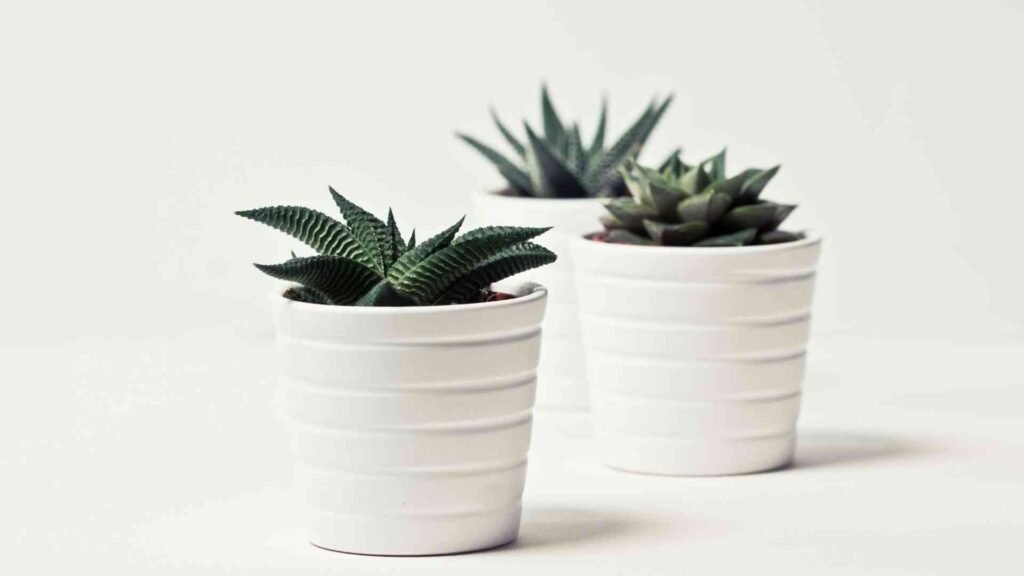
Succulents and Cacti
Succulents store water in their leaves and stems, meaning they dislike consistently wet soil.
Recommended containers include:
- Terracotta pots
- Clay pots
- Small ceramic pots with drainage
These materials help excess moisture evaporate more quickly.
Tropical Houseplants
Popular tropical plants such as Monstera, Philodendron, Peace Lily, and Pothos generally prefer evenly moist soil.
Recommended containers include:
- Plastic pots
- Glazed ceramic pots
- Self-watering containers
These options retain moisture longer, reducing how frequently watering is needed.
Herbs
Indoor herbs like basil, parsley, cilantro, thyme, and mint benefit from containers that balance drainage with moderate moisture retention.
Recommended options include:
- Plastic pots
- Terracotta pots
- Fabric grow bags
Choose containers with drainage holes to prevent soggy soil.
Orchids
Orchids require excellent airflow around their roots.
Special orchid pots often include additional ventilation slots or holes along the sides, improving air circulation while preventing excess moisture from accumulating.
Large Indoor Trees
Plants such as Fiddle Leaf Fig, Rubber Plant, Bird of Paradise, and indoor palms eventually become heavy and require stable containers.
Recommended choices include:
- Fiberglass planters
- Ceramic planters
- Concrete planters
These materials provide excellent support while reducing the likelihood of tipping over.
Decorative vs. Functional Containers
Many experienced indoor gardeners combine both functionality and style by using a double-potting method.
In this setup, the plant grows inside a simple nursery pot that includes drainage holes. That nursery pot is then placed inside a larger decorative planter.
This method offers several advantages:
- Proper drainage for healthy roots
- Easier watering
- Simpler repotting
- Cleaner indoor appearance
- Greater flexibility when changing home décor
Because the decorative planter doesn’t come into direct contact with the soil, it also stays cleaner and lasts longer.
Common Mistakes to Avoid
Choosing the right plant container is only part of successful indoor gardening. Avoid these common mistakes to keep your plants healthy and thriving.
Choosing Pots Without Drainage
Decorative containers without drainage may look attractive, but they significantly increase the risk of overwatering.
Buying Oversized Containers
Larger isn’t always better. Excess soil retains excess moisture.
Ignoring Plant Requirements
Different plants have different moisture needs. Match the container material to the type of plant you’re growing.
Forgetting About Weight
Large ceramic, concrete, and wooden planters can become extremely heavy after adding soil and water. Consider where the planter will be placed before purchasing.
Reusing Dirty Pots
Old containers should always be cleaned and disinfected before planting again. This helps reduce the spread of pests, bacteria, and fungal diseases.
Choosing Style Over Function
While attractive planters enhance your home, plant health should always come first. A beautiful container cannot compensate for poor drainage or an unsuitable size.
FAQs
Are plant pots and planters the same?
Not exactly. Although the terms are often used interchangeably, there is a slight difference. A plant pot is usually designed primarily for growing a single plant and almost always includes drainage holes. A planter is often larger and more decorative, and it may hold one or multiple plants or simply serve as an outer decorative container for a nursery pot.
What is the best material for indoor plant pots?
There isn’t one perfect material for every situation. Plastic pots are excellent for beginners because they are lightweight, affordable, and retain moisture well. Terracotta pots are ideal for plants that prefer drier soil, while ceramic and fiberglass planters are popular for decorative indoor displays. The best choice depends on your plant’s watering needs, your budget, and your home’s décor.
Do all plant pots need drainage holes?
For most houseplants, yes. Drainage holes allow excess water to escape, reducing the risk of root rot and other moisture-related problems. If you choose a decorative planter without drainage, place a nursery pot with drainage holes inside it and remove the inner pot when watering.
How often should I repot my plants?
Most indoor plants benefit from repotting every one to two years. Fast-growing plants may need a larger container more frequently, while slow-growing species can remain in the same pot for several years. Signs that it’s time to repot include roots growing through drainage holes, soil drying out very quickly, or noticeably slower growth.
Can I grow multiple plants in one planter?
Yes, provided the plants have similar light, watering, and soil requirements. Combining plants with very different care needs can make maintenance difficult and may affect their long-term health. Always ensure the planter is large enough to provide adequate root space for each plant.
Which size pot should I choose?
A new pot should generally be slightly larger than the current one. For small houseplants, choose a container about 1–2 inches wider in diameter. For larger plants, increase the pot size by 2–4 inches. Avoid using excessively large containers, as they can retain too much moisture around the roots.
Are expensive planters better than inexpensive ones?
Not necessarily. Healthy plants depend more on proper drainage, appropriate sizing, and suitable growing conditions than on the price of the container. An affordable plastic nursery pot can grow a healthy plant just as successfully as a premium ceramic planter when used correctly.
Final Thoughts
Plant pots and planters are much more than simple containers—they provide the foundation for healthy plant growth. The right container supports strong root development, improves drainage, regulates soil moisture, and creates an environment where plants can thrive.
Understanding the differences between plant pots and planters allows you to make better choices based on your gardening goals. Functional plant pots are ideal for promoting healthy growth, while decorative planters help showcase your plants and enhance the appearance of your home. Many indoor gardeners combine both by using nursery pots inside attractive planters, achieving the perfect balance of practicality and style.
When selecting a container, always consider the plant’s mature size, watering requirements, root system, and the conditions in which it will grow. Material also plays an important role. Plastic containers retain moisture longer, terracotta promotes better airflow, ceramic offers decorative appeal, and fiberglass provides durability without excessive weight.
Most importantly, never overlook drainage. A properly sized container with adequate drainage holes will do far more for your plant’s health than an expensive decorative planter without proper water management.
As you continue your indoor gardening journey, choosing the right plant pot or planter becomes easier with experience. By understanding the strengths of different container types and materials, you’ll be better equipped to create a healthy environment where your plants can flourish for years to come.