
Introduction
Choosing the right LED grow light wattage for indoor plants is one of the most important steps in creating a healthy indoor garden. Whether you’re growing houseplants, herbs, succulents, or flowering plants, the amount of light they receive directly affects their growth, leaf color, and overall health.
Many beginners assume that buying the highest-wattage grow light will automatically produce healthier plants. In reality, that’s not how grow lights work. A light that’s too weak won’t provide enough energy for photosynthesis, while a light that’s too powerful can waste electricity, increase energy costs, and even stress certain plants if placed too close.
Understanding grow light wattage doesn’t have to be difficult. Once you know how wattage relates to your growing area and plant type, choosing the right LED grow light becomes much easier. You’ll also avoid spending money on oversized lights or ending up with plants that grow slowly because they aren’t getting enough light.
Modern LED grow lights are far more energy-efficient than older fluorescent or HID lights. They produce less heat, consume less electricity, and provide a full spectrum of light that closely mimics natural sunlight. This makes them the preferred choice for indoor gardeners who want healthy plants while keeping electricity costs under control.
In this complete guide, you’ll learn what LED grow light wattage actually means, how many watts different indoor plants need, how to calculate the correct wattage for your growing space, and the common mistakes to avoid. By the end of this guide, you’ll have the knowledge to confidently choose the right LED grow light for your indoor plants.
Quick Answer
If you’re wondering how much LED grow light wattage for indoor plants is enough, here’s the simple answer:
Most indoor plants grow well with 20 to 40 watts of actual LED power per square foot of growing space.
A general guideline is:
- Low-light plants: 10–20 watts per square foot
- Medium-light plants: 20–30 watts per square foot
- High-light plants: 30–40+ watts per square foot
Always check the actual wattage of the grow light instead of the “equivalent wattage” advertised on the product packaging. Pair the correct wattage with proper light distance and a consistent lighting schedule to achieve the best results.
Quick Comparison
Different indoor plants have different lighting requirements. Choosing the correct wattage depends on what you’re growing, not simply on buying the most powerful light available.
Here’s a quick overview of recommended wattage based on plant type.
Quick Comparison Table
| Plant Type | Recommended LED Wattage | Light Requirement | Daily Light Duration | Ideal for Beginners |
|---|---|---|---|---|
| Snake Plant | 10–20W per sq. ft. | Low | 8–10 hours | ✅ |
| ZZ Plant | 10–20W per sq. ft. | Low | 8–10 hours | ✅ |
| Pothos | 15–25W per sq. ft. | Medium | 10–12 hours | ✅ |
| Peace Lily | 20–30W per sq. ft. | Medium | 10–12 hours | ✅ |
| Spider Plant | 20–30W per sq. ft. | Medium | 10–12 hours | ✅ |
| Monstera | 20–30W per sq. ft. | Medium | 10–12 hours | ✅ |
| Herbs (Basil, Mint, Parsley) | 30–40W per sq. ft. | High | 12–16 hours | ✅ |
| Succulents | 30–40W per sq. ft. | High | 12–16 hours | ✅ |
| Cactus | 30–40W per sq. ft. | High | 12–16 hours | ✅ |
| Indoor Vegetables | 40–50W+ per sq. ft. | Very High | 14–16 hours | ❌ |
This table provides a quick starting point, but wattage is only one part of a successful lighting setup. Factors such as light distance, coverage area, plant size, and daily lighting duration also play an important role in helping indoor plants thrive.
Detailed Guide: Understanding LED Grow Light Wattage for Indoor Plants
Now that you know the recommended wattage for different types of indoor plants, it’s time to understand what LED grow light wattage for indoor plants actually means. Many beginners focus only on the number printed on the product box, but wattage is just one part of choosing the right grow light.
Knowing how wattage works will help you buy the right light for your plants, avoid wasting money, and create a healthy indoor growing environment.
What Is LED Grow Light Wattage?
Wattage is the amount of electrical power a grow light uses. In simple terms, it tells you how much electricity the light consumes while it’s running.
However, many people mistakenly believe that higher wattage always means better plant growth. That’s not entirely true.
Modern LED grow lights are much more efficient than older lighting technologies. A 100-watt LED grow light can often produce as much usable light as a much higher-wattage fluorescent or HID light while using less electricity.
This is why you should never judge a grow light by its wattage alone. Instead, think of wattage as a starting point that should be combined with the light’s efficiency, coverage area, and placement.
Actual Wattage vs. Equivalent Wattage
One of the biggest causes of confusion is the difference between actual wattage and equivalent wattage.
Many manufacturers advertise products with labels such as:
- 600W LED Grow Light
- 1000W LED Grow Light
- 2000W Full Spectrum LED
These numbers often represent the light’s equivalent output compared to older HID lighting—not the electricity the LED actually uses.
For example, a grow light marketed as 1000W may only consume 100 watts of actual power.
When buying a grow light, always check the product specifications for:
- Actual Power Consumption
- Power Draw
- Actual Wattage
These figures give you a much better idea of how powerful the light really is.
How to Calculate the Right Wattage
Choosing the right wattage starts with measuring your growing space.
Use this simple formula:
Length × Width = Growing Area (Square Feet)
Once you know the size of your growing area, multiply it by the recommended wattage for your plant type.
Example 1: Small Desk Setup
Growing area:
- Length: 1 foot
- Width: 1 foot
Area = 1 square foot
For a pothos or peace lily:
20–30 watts × 1 = 20–30 watts
Example 2: Indoor Herb Shelf
Growing area:
- Length: 2 feet
- Width: 2 feet
Area = 4 square feet
Herbs require stronger lighting:
30–40 watts × 4 = 120–160 watts
This simple calculation helps you choose a light that provides enough intensity without wasting energy.
Does Plant Type Affect Wattage?
Absolutely.
Not every indoor plant needs the same amount of light. Some naturally grow in shaded forests, while others thrive in full sun.
Low-Light Plants
Plants such as snake plants, ZZ plants, and Chinese evergreens don’t require intense lighting.
Recommended wattage:
- 10–20 watts per square foot
These plants are ideal for beginners because they’re more forgiving if lighting conditions aren’t perfect.
Medium-Light Plants
Many popular houseplants fall into this category.
Examples include:
- Monstera
- Spider Plant
- Peace Lily
- Philodendron
- Rubber Plant
Recommended wattage:
- 20–30 watts per square foot
This range provides enough energy for steady growth without exposing the plants to excessive light.
High-Light Plants
Some plants require much brighter conditions to grow well indoors.
Examples include:
- Basil
- Mint
- Rosemary
- Succulents
- Cactus
- Aloe Vera
Recommended wattage:
- 30–40 watts per square foot or more
Without sufficient light, these plants often become leggy, weak, and less productive.
Why Coverage Area Matters
A common mistake is focusing only on wattage while ignoring the light’s coverage area.
For example, a 100-watt LED panel may provide excellent lighting for a 2 × 2-foot area, but it won’t evenly illuminate a much larger shelf.
Plants at the center may receive enough light, while those at the edges remain underlit.
Instead of relying on one oversized grow light, many indoor gardeners achieve better results by using multiple smaller lights. This creates more even coverage and helps every plant receive consistent light.
Choosing the right LED grow light wattage for indoor plants isn’t just about buying the brightest fixture. It’s about matching the light to your growing space, selecting the correct wattage for your plant type, and ensuring even light distribution across your entire indoor garden.
Why Choosing the Right LED Grow Light Wattage Is Important
Selecting the correct LED grow light wattage for indoor plants is about more than just providing light. The right wattage helps plants photosynthesize efficiently, develop stronger roots, produce healthy leaves, and maintain steady growth throughout the year. On the other hand, choosing the wrong wattage can lead to poor growth, unhealthy plants, and higher electricity costs.
Many indoor gardeners focus on watering and fertilizing but overlook lighting. In reality, even the best soil and fertilizer cannot compensate for inadequate light. Understanding how wattage affects plant growth will help you create the ideal indoor growing environment.
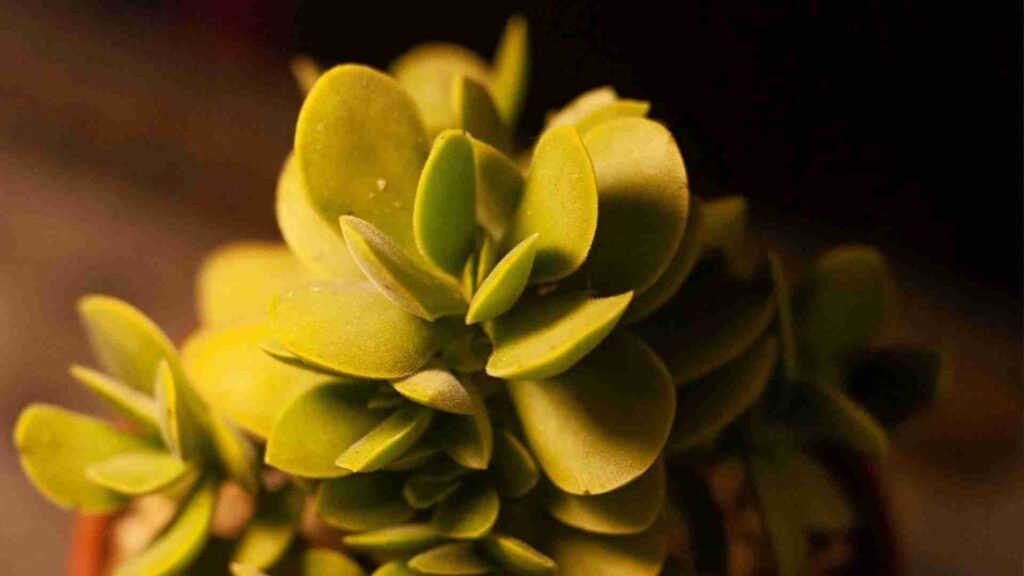
Benefits of Using the Right LED Grow Light Wattage
When your grow light matches your plant’s needs, you’ll notice several improvements.
Healthier Plant Growth
Plants use light to convert water and carbon dioxide into energy through photosynthesis. With enough light, they can produce stronger stems, larger leaves, and healthier roots.
Healthy plants typically show:
- Rich green foliage
- Compact growth
- Strong stems
- Faster leaf production
If your plants are receiving the correct amount of light, they’ll look fuller and more vibrant throughout the growing season.
Prevents Leggy Growth
One of the most common signs of insufficient lighting is leggy growth.
A plant that doesn’t receive enough light stretches toward the nearest light source. Instead of producing thick stems and healthy leaves, it develops long, weak stems with large gaps between the leaves.
Common plants that become leggy include:
- Pothos
- Basil
- Mint
- Monstera
- Spider Plant
Using the recommended wattage helps keep plants compact and encourages balanced growth.
Improves Leaf Color
Proper lighting also affects leaf color.
When plants receive enough light, they usually develop:
- Deep green leaves
- Vibrant new growth
- Healthy foliage
Plants grown under weak lighting often have pale or yellowish leaves because they cannot produce enough chlorophyll.
If your indoor plants are losing their rich green color, inadequate lighting may be part of the problem.
Supports Faster Growth
Plants with sufficient light can produce new leaves more frequently and recover more quickly after pruning or repotting.
For example:
A basil plant receiving the correct wattage will produce fresh leaves regularly, allowing you to harvest more often.
A pothos growing under proper lighting will develop longer vines with larger, healthier leaves.
This is one of the main reasons indoor gardeners invest in quality LED grow lights.
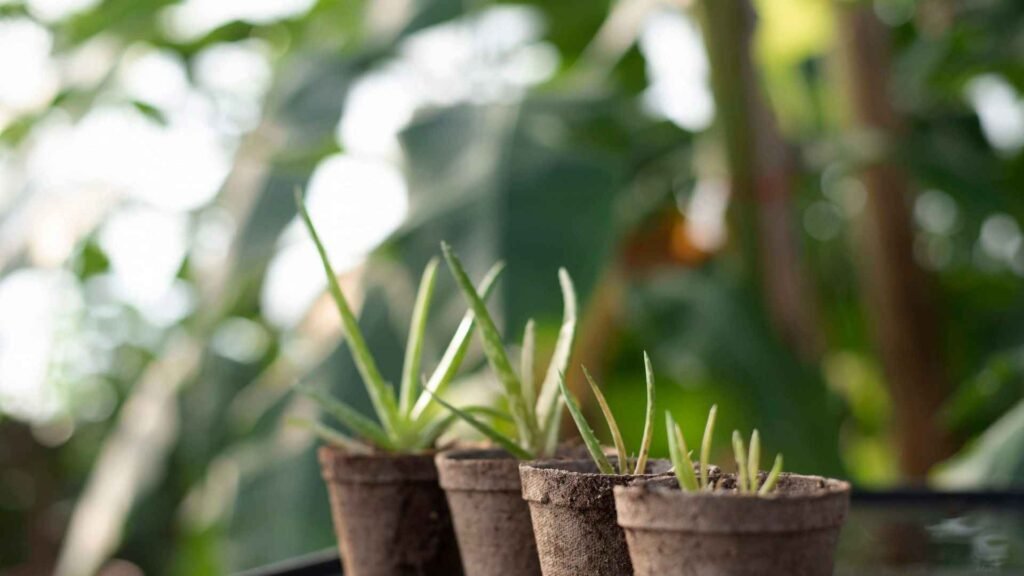
Reduces Seasonal Growth Problems
During autumn and winter, natural daylight becomes shorter and weaker in many regions.
Without supplemental lighting, indoor plants may experience:
- Slow growth
- Leaf drop
- Pale foliage
- Dormancy
Using an LED grow light with the appropriate wattage helps maintain consistent growth even when natural sunlight is limited.
This is especially useful for people who grow herbs or vegetables indoors throughout the year.
Common Mistakes Beginners Make
Choosing the right grow light isn’t difficult, but there are a few mistakes that many beginners make.
Buying the Highest Wattage Available
A common misconception is that a higher wattage automatically means better results.
In reality:
- Low-light plants don’t need extremely powerful lights.
- Oversized lights increase electricity costs.
- Excessive light intensity can stress some plants.
Always buy a grow light based on your plant’s needs, not the biggest number on the box.
Ignoring Actual Wattage
Many people purchase a light labeled “1000W” without realizing its actual power consumption is much lower.
Always check the product specifications for the actual wattage or power draw instead of relying on marketing claims.
Placing Lights Too Far Away
Even a high-quality LED grow light won’t perform well if it’s placed too far from your plants.
As the distance increases, light intensity decreases.
Following the manufacturer’s recommended hanging height will help your plants receive enough usable light.
Leaving Grow Lights On All Day
Plants need darkness just as much as they need light.
Running grow lights 24 hours a day can stress plants and waste electricity.
A consistent schedule of:
- 8–10 hours for low-light plants
- 10–12 hours for medium-light plants
- 12–16 hours for herbs and high-light plants
is usually enough for healthy growth.
Using a timer makes it easy to maintain a regular lighting routine.
Best Practices for Indoor Plant Lighting
To get the most from your LED grow light:
- Measure your growing area before buying a light.
- Match the wattage to the type of plants you’re growing.
- Position the light at the recommended distance.
- Rotate plants every week so all sides receive even light.
- Clean dust from both the grow light and plant leaves regularly.
- Monitor your plants and adjust the light height if you notice stretching or leaf burn.
Small adjustments can make a significant difference in plant health over time.
By choosing the correct LED grow light wattage for indoor plants and following these best practices, you’ll enjoy healthier plants, stronger growth, and better results throughout the year
Best LED Grow Light Wattage Recommendations for Indoor Plants
Now that you understand how LED grow light wattage for indoor plants works, choosing the right light becomes much easier. Instead of buying the most powerful grow light available, focus on selecting one that matches your plant type and growing space.
Here are some simple recommendations to help you get started.
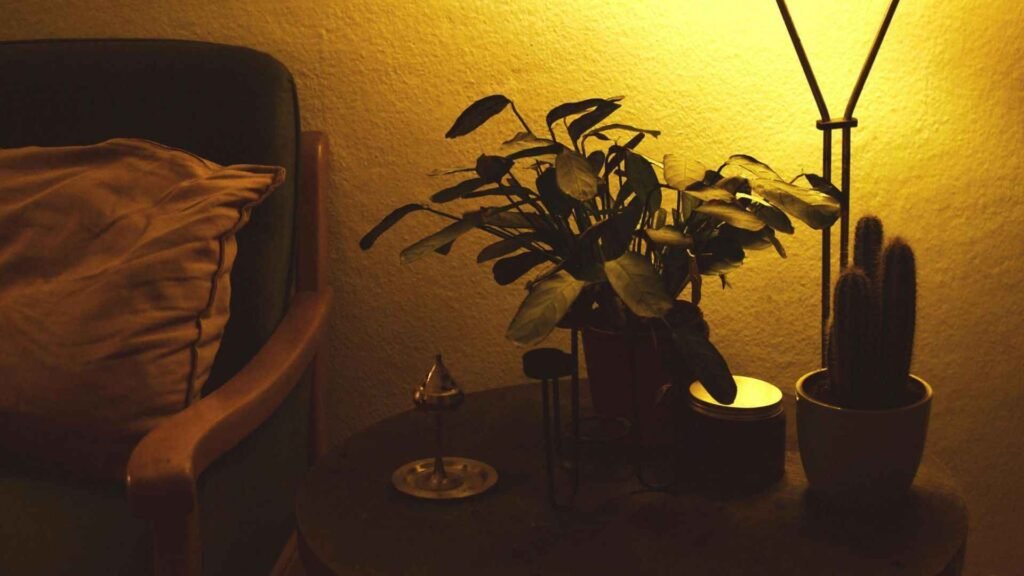
For One or Two Small Houseplants
If you’re growing a few plants on a desk, shelf, or windowsill, you don’t need a high-powered grow light.
Recommended Wattage:
- 20–30 watts
Best Plants:
- Pothos
- Snake Plant
- ZZ Plant
- Peace Lily
This setup is affordable, energy-efficient, and perfect for beginners.
For Medium Indoor Plant Collections
If you have several houseplants grouped together on a shelf or plant stand, choose a medium-sized LED panel.
Recommended Wattage:
- 50–100 watts
This provides even light coverage for multiple plants without using excessive electricity.
For Herbs and Succulents
Plants that naturally grow in bright sunlight require stronger lighting.
Recommended Wattage:
- 100–160 watts (depending on the growing area)
Ideal for:
- Basil
- Mint
- Rosemary
- Thyme
- Succulents
- Cactus
These plants perform best with brighter light and longer daily lighting periods.
For Larger Indoor Gardens
If you’re growing many plants or using multi-level shelves, consider using several LED grow lights instead of one oversized fixture.
Benefits include:
- Better light distribution
- More consistent growth
- Easier future expansion
This approach is often more efficient than relying on a single high-wattage grow light.
FAQs
1. How many watts do LED grow lights need for indoor plants?
Most indoor plants grow well with 20–40 watts of actual LED power per square foot. Low-light plants require less, while herbs, succulents, and other high-light plants need more.
2. Is higher wattage always better for indoor plants?
No. Higher wattage does not automatically mean better growth. The best results come from choosing a grow light that matches your plant’s light requirements and the size of your growing area.
3. What is the difference between actual wattage and equivalent wattage?
Actual wattage is the real amount of electricity a grow light uses. Equivalent wattage is a marketing comparison to older lighting technologies like HID or fluorescent lights. Always compare products using actual wattage.
4. How far should an LED grow light be from indoor plants?
Most LED grow lights should be placed 12–24 inches above plants, depending on the light’s power and the manufacturer’s recommendations. Adjust the distance if you notice stretching or leaf burn.
5. Can indoor plants grow using only LED grow lights?
Yes. Full-spectrum LED grow lights can provide all the light most indoor plants need, making it possible to grow healthy plants even in rooms with little or no natural sunlight.
Final Thoughts
Choosing the correct LED grow light wattage for indoor plants doesn’t have to be complicated. Once you understand your plant’s light requirements and calculate the size of your growing area, selecting the right grow light becomes much easier.
For most indoor gardeners, a full-spectrum LED grow light that provides 20–40 watts per square foot is enough to support healthy growth. Low-light plants thrive with lower wattage, while herbs, succulents, and other sun-loving plants benefit from stronger lighting.
Remember that wattage is only one part of a successful indoor lighting setup. Light placement, coverage area, daily lighting duration, and consistency all play an important role in helping your plants grow strong and healthy.
Whether you’re growing a single pothos on your desk or creating a dedicated indoor plant shelf, choosing the right LED grow light will improve plant health, encourage faster growth, and allow you to enjoy thriving indoor plants all year long.