
Introduction
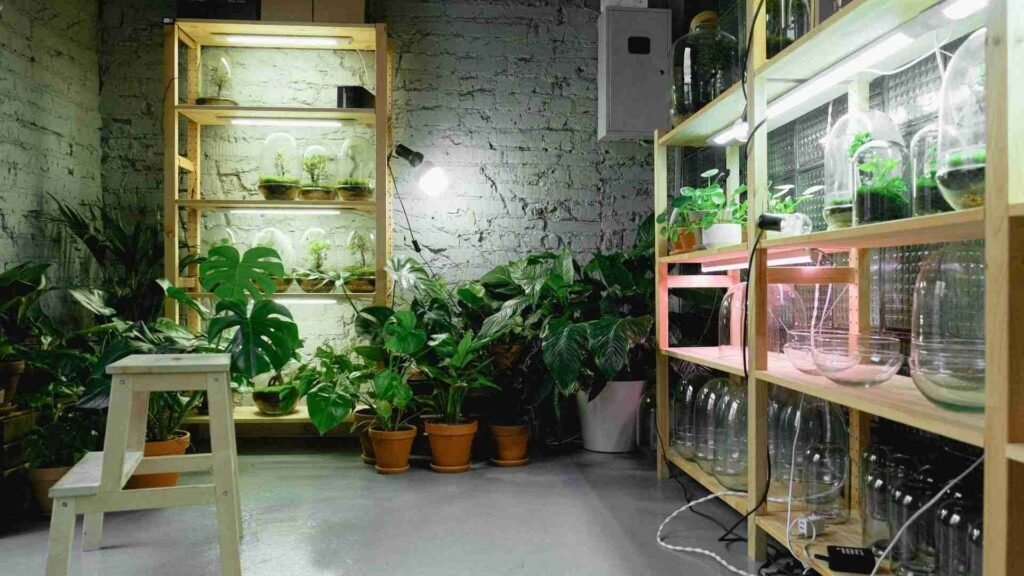
How Do LED Grow Lights Work? LED grow lights have transformed indoor gardening by making it easier to grow healthy plants year-round, regardless of outdoor weather conditions. Whether you’re starting seeds, growing leafy greens, cultivating flowering houseplants, or maintaining a small indoor herb garden, LED grow lights provide a reliable source of artificial light that supports plant growth.
Unlike ordinary household light bulbs, LED grow lights are specifically designed to produce wavelengths of light that plants can use for photosynthesis. Instead of wasting large amounts of energy as heat, they convert most of their electricity into usable light, making them one of the most energy-efficient lighting options available for indoor gardening.
As more home gardeners and commercial growers switch to LED technology, understanding how these lights work becomes increasingly important. Knowing the science behind LED grow lights can help you choose the right fixture, position it correctly, and provide your plants with the light they need during every stage of growth. It can also help you avoid common mistakes that may slow plant development or reduce yields.
In this guide, you’ll learn how LED grow lights work, why plants respond so well to them, the key components inside an LED grow light, and the advantages they offer over traditional grow lighting systems. By the end of this article, you’ll have a clear understanding of why LED grow lights have become the preferred choice for modern indoor gardeners.
Quick Answer
LED grow lights work by converting electrical energy into specific wavelengths of light that plants use for photosynthesis. They use semiconductor technology to produce highly efficient light with very little heat. Modern LED grow lights often provide a full spectrum of light that closely resembles natural sunlight, allowing plants to grow, flower, and produce fruit indoors while consuming less electricity than traditional grow lights.
Quick Comparison
LED grow lights differ significantly from older lighting technologies in terms of efficiency, lifespan, and plant performance. The table below highlights the key differences.
| Feature | LED Grow Lights | Traditional Grow Lights |
|---|---|---|
| Energy Efficiency | Excellent | Moderate to Low |
| Heat Production | Low | High |
| Lifespan | 30,000–50,000+ hours | 5,000–20,000 hours |
| Electricity Consumption | Low | High |
| Light Spectrum | Full Spectrum or Customizable | Often Limited |
| Bulb Replacement | Rarely Needed | Frequent |
| Plant Growth Support | Excellent | Good |
| Best For | Indoor gardens, grow tents, houseplants, herbs, vegetables, seedlings | Commercial setups, older growing systems |
How LED Grow Lights Work
LED grow lights may seem like ordinary lamps, but the technology behind them is very different from traditional incandescent, fluorescent, or HID lighting. They are engineered to produce the specific wavelengths of light that plants need for healthy growth while minimizing wasted energy.
To understand how LED grow lights work, it’s helpful to first understand how plants use light.
Plants Need Light for Photosynthesis
Plants produce their own food through a natural process called photosynthesis. During this process, they absorb light energy and use it to convert water and carbon dioxide into glucose (food), releasing oxygen as a byproduct.
Without sufficient light, plants cannot photosynthesize efficiently, which can lead to:
- Slow or stunted growth
- Weak, leggy stems
- Pale or yellow leaves
- Poor flowering and fruit production
- Reduced overall plant health
Outdoors, the sun provides all the light plants need. Indoors, however, natural sunlight is often limited, especially during winter or in rooms with little direct sunlight. This is where LED grow lights become essential.
The Science Behind LED Technology
LED stands for Light Emitting Diode. Unlike traditional light bulbs that generate light by heating a filament, LEDs produce light through a semiconductor.
When electricity passes through the semiconductor material inside an LED, electrons move and release energy in the form of photons. These photons create visible light.
This process is highly efficient because very little energy is lost as heat. Instead, most of the electricity is converted directly into usable light.
Compared to older lighting technologies, LEDs offer several advantages:
- Higher energy efficiency
- Lower operating temperatures
- Longer lifespan
- Instant full brightness
- Greater control over light output
These benefits make LED grow lights ideal for both home gardeners and commercial growers.
How LEDs Produce the Right Light for Plants
Not all light is equally useful for plant growth.
Sunlight contains a full spectrum of colors, but plants primarily use wavelengths within the Photosynthetically Active Radiation (PAR) range, which spans approximately 400 to 700 nanometers (nm).
Modern LED grow lights are designed to produce these useful wavelengths, allowing plants to receive the light they need without wasting energy on unnecessary wavelengths.
The most important light colors include:
Blue Light (400–500 nm)
Blue light supports vegetative growth by encouraging:
- Strong root development
- Healthy leaf production
- Compact plant growth
- Thick stems
Seedlings and leafy vegetables generally require higher amounts of blue light.
Red Light (600–700 nm)
Red light plays a major role during the flowering and fruiting stages.
It helps plants:
- Produce flowers
- Develop fruits
- Improve flowering efficiency
- Support seed production
Many flowering plants require increased red light once they reach maturity.
Full-Spectrum Light
Most modern LED grow lights provide full-spectrum lighting, combining blue, red, and additional wavelengths to closely mimic natural sunlight.
This allows a single grow light to support plants throughout every stage of development, including:
- Seed germination
- Seedling growth
- Vegetative growth
- Flowering
- Fruiting
For most home gardeners, full-spectrum LED grow lights are the most practical choice because there’s no need to switch lights between growth stages.
Components of an LED Grow Light
Although LED grow lights come in many shapes and sizes, they all contain several essential components that work together to provide efficient lighting.
LED Chips
LED chips are the heart of every grow light.
These tiny semiconductor devices generate the light used for plant growth. The number, quality, and efficiency of the chips largely determine the performance of the grow light.
Premium grow lights often use high-quality LED chips that produce brighter light while consuming less electricity.
LED Driver
The LED driver acts like the power supply for the grow light.
Its job is to:
- Convert household electricity into the correct voltage
- Regulate electrical current
- Protect LEDs from power fluctuations
- Improve energy efficiency
A reliable driver helps extend the lifespan of the entire lighting system.
Heat Sink
Although LEDs produce far less heat than traditional grow lights, they still generate some heat during operation.
A heat sink helps:
- Dissipate excess heat
- Prevent overheating
- Protect LED chips
- Maintain consistent performance
Many modern LED grow lights use aluminum heat sinks because aluminum conducts heat very efficiently.
Reflectors and Lenses
Some LED grow lights include lenses or reflectors that direct light toward plants instead of allowing it to spread in every direction.
This improves light intensity and ensures more usable light reaches the plant canopy, increasing overall efficiency.
Housing and Cooling System
The outer housing protects the internal components from dust, moisture, and accidental damage.
Depending on the model, cooling may be provided by:
- Passive cooling through heat sinks
- Built-in cooling fans
- Advanced ventilation designs
Efficient cooling helps maintain consistent light output and extends the lifespan of the fixture.
Benefits of LED Grow Lights
LED grow lights have become the preferred choice for indoor gardeners because they combine efficiency, performance, and convenience. Whether you’re growing herbs on a windowsill or managing a large indoor garden, LEDs offer several advantages over traditional lighting systems.
Energy Efficient
One of the biggest benefits of LED grow lights is their energy efficiency. They convert most of the electricity they consume into usable light instead of heat, helping reduce energy waste.
Compared to HID or fluorescent grow lights, LEDs typically use significantly less electricity while providing similar or even better plant-growing performance. This makes them an economical choice for gardeners who run their lights for long hours each day.
Low Heat Output
Traditional grow lights often produce a large amount of heat, which can stress plants and increase cooling costs. Excessive heat may also require additional ventilation or fans to maintain suitable growing conditions.
LED grow lights generate much less heat, allowing them to be positioned closer to plants without causing leaf burn. Lower heat output also creates a more stable growing environment, especially in small grow tents or indoor spaces.
Long Lifespan
LED grow lights are designed to last much longer than conventional bulbs.
A quality LED grow light can operate for 30,000 to 50,000 hours or more, depending on the manufacturer and usage. This means fewer replacements and lower maintenance costs over time.
Full-Spectrum Lighting
Modern LED grow lights often provide full-spectrum light that closely resembles natural sunlight.
This allows a single fixture to support plants through every stage of growth, including:
- Seed germination
- Vegetative growth
- Flowering
- Fruiting
Instead of switching between different types of bulbs, gardeners can often use one full-spectrum LED throughout the plant’s life cycle.
Better Plant Growth
Because LED grow lights provide targeted wavelengths used during photosynthesis, plants can grow healthier and more efficiently.
Proper LED lighting can encourage:
- Faster seedling development
- Stronger stems
- Greener foliage
- More flowers
- Higher fruit and vegetable yields
- Compact, healthier plants
When combined with proper watering, nutrients, and temperature, LED lighting creates an ideal environment for indoor gardening.
LED Grow Lights vs. Fluorescent Grow Lights
Fluorescent lights have been used for indoor gardening for decades and remain suitable for some applications, particularly seed starting and leafy greens. However, LED technology has largely surpassed fluorescent lighting in terms of efficiency and versatility.
| Feature | LED Grow Lights | Fluorescent Grow Lights |
|---|---|---|
| Energy Efficiency | Excellent | Good |
| Heat Output | Low | Moderate |
| Lifespan | 30,000–50,000+ hours | 10,000–20,000 hours |
| Light Intensity | High | Moderate |
| Full-Spectrum Options | Widely Available | Limited |
| Maintenance | Minimal | Bulbs require replacement |
For most home gardeners, LED grow lights provide better long-term value and improved plant performance.
LED Grow Lights vs. HID Grow Lights
High-Intensity Discharge (HID) lights, including Metal Halide (MH) and High-Pressure Sodium (HPS) systems, have long been used in commercial growing operations.
Although HID lights can produce very intense light, they also consume more electricity and generate substantial heat.
| Feature | LED Grow Lights | HID Grow Lights |
|---|---|---|
| Electricity Usage | Low | High |
| Heat Production | Low | Very High |
| Cooling Requirements | Minimal | Often Required |
| Lifespan | Long | Moderate |
| Operating Cost | Lower | Higher |
| Maintenance | Low | Frequent Bulb Replacement |
While HID systems are still used in some commercial environments, LED technology has become the preferred option for many growers because of its efficiency and lower operating costs.
Common Mistakes When Using LED Grow Lights
Even the best grow light cannot compensate for improper use. Understanding common mistakes can help you maximize plant growth and avoid unnecessary problems.
Placing the Light Too Far Away
If the light is positioned too high above the plants, they may not receive enough light for healthy growth.
Signs include:
- Long, weak stems
- Pale leaves
- Slow growth
Always follow the manufacturer’s recommended hanging distance.
Placing the Light Too Close
Although LEDs produce less heat than traditional grow lights, placing them too close can still stress plants.
Possible symptoms include:
- Leaf curling
- Bleached leaves
- Burned leaf edges
- Slowed growth
Adjust the distance based on the plant’s growth stage and the light’s intensity.
Using the Wrong Light Duration
Plants require both light and darkness to grow properly.
Leaving grow lights on continuously can disrupt natural plant processes and reduce overall health.
Most plants perform well with:
- Seedlings: 14–16 hours of light daily
- Leafy vegetables: 14–16 hours
- Flowering plants: 12–14 hours (depending on the species)
Using a timer helps maintain a consistent lighting schedule.
Ignoring Plant Growth Stages
Young seedlings, mature foliage plants, and flowering crops have different lighting needs.
As plants grow, you may need to adjust:
- Light height
- Daily lighting duration
- Light intensity
Making these adjustments helps maintain healthy growth throughout the plant’s life cycle.
Choosing the Wrong Grow Light
Not all LED grow lights are created equal.
When purchasing one, consider:
- Coverage area
- Light intensity
- Full-spectrum capability
- Energy efficiency
- Build quality
- Warranty and manufacturer reputation
Selecting the right fixture from the beginning can improve plant growth and reduce long-term costs.
Tips for Getting the Best Results
To maximize the performance of your LED grow lights:
- Position the light at the recommended height.
- Use a timer to maintain a consistent day and night cycle.
- Rotate plants occasionally for even light exposure.
- Keep LED panels clean to prevent dust from reducing light output.
- Monitor plant growth and adjust the light height as needed.
- Combine proper lighting with adequate watering, nutrients, and airflow for the best overall results.
Frequently Asked Questions
Do LED grow lights really work?
Yes, LED grow lights are highly effective when used correctly. They provide the wavelengths of light plants need for photosynthesis, allowing them to grow, flower, and produce fruit indoors. Many home gardeners and commercial growers successfully use LED grow lights to cultivate vegetables, herbs, flowers, and houseplants throughout the year.
Can LED grow lights replace sunlight?
LED grow lights can replace sunlight for most indoor plants by providing the light needed for photosynthesis. However, plants still require proper watering, nutrients, suitable temperatures, and good air circulation to grow successfully. For many indoor gardens, a quality full-spectrum LED grow light can serve as the primary light source.
How far should LED grow lights be from plants?
The ideal distance depends on the light’s power and the type of plant being grown. Most manufacturers provide recommended hanging heights for seedlings, vegetative growth, and flowering stages. Placing the light too close can stress plants, while placing it too far away may reduce growth due to insufficient light intensity.
How many hours a day should LED grow lights stay on?
The required lighting duration varies depending on the type of plant and its growth stage. In general:
- Seedlings: 14–16 hours per day
- Leafy vegetables and herbs: 14–16 hours per day
- Flowering and fruiting plants: 12–14 hours per day (depending on the plant)
Using a timer is the easiest way to maintain a consistent lighting schedule.
Do LED grow lights use a lot of electricity?
No. One of the biggest advantages of LED grow lights is their energy efficiency. They consume significantly less electricity than traditional fluorescent or HID grow lights while producing the light plants need for healthy growth. This can help reduce long-term electricity costs.
Can any LED light be used as a grow light?
No. Standard household LED bulbs are designed for human visibility, not plant growth. Although some houseplants may survive under regular LED bulbs, dedicated LED grow lights produce the specific light spectrum and intensity required for healthy photosynthesis and consistent plant development.
Are full-spectrum LED grow lights better?
For most indoor gardeners, yes. Full-spectrum LED grow lights closely mimic natural sunlight and can support plants through every stage of growth, from seed germination to flowering and fruit production. This eliminates the need to switch between different types of grow lights as plants mature.
How long do LED grow lights last?
High-quality LED grow lights typically last 30,000 to 50,000 hours, and some premium models can last even longer with proper care. Their long lifespan makes them a cost-effective investment for indoor gardening.
Final Thoughts
LED grow lights have revolutionized indoor gardening by making it possible to grow healthy plants efficiently in almost any indoor environment. By converting electricity into plant-friendly wavelengths of light, they support photosynthesis while using less energy and producing far less heat than traditional grow lights.
Whether you’re starting seeds, growing herbs on a kitchen counter, maintaining tropical houseplants, or cultivating vegetables in a grow tent, LED grow lights provide a reliable and versatile lighting solution. Their long lifespan, energy efficiency, and full-spectrum lighting make them an excellent choice for both beginners and experienced gardeners.
Understanding how LED grow lights work also helps you use them more effectively. Choosing the right fixture, positioning it correctly, and providing an appropriate lighting schedule can significantly improve plant health and overall growth.
If you’re planning to build or upgrade an indoor garden, investing in a quality LED grow light is one of the best decisions you can make. Combined with proper watering, nutrition, and environmental care, it can help your plants thrive throughout the year, regardless of the season or the amount of natural sunlight available.