
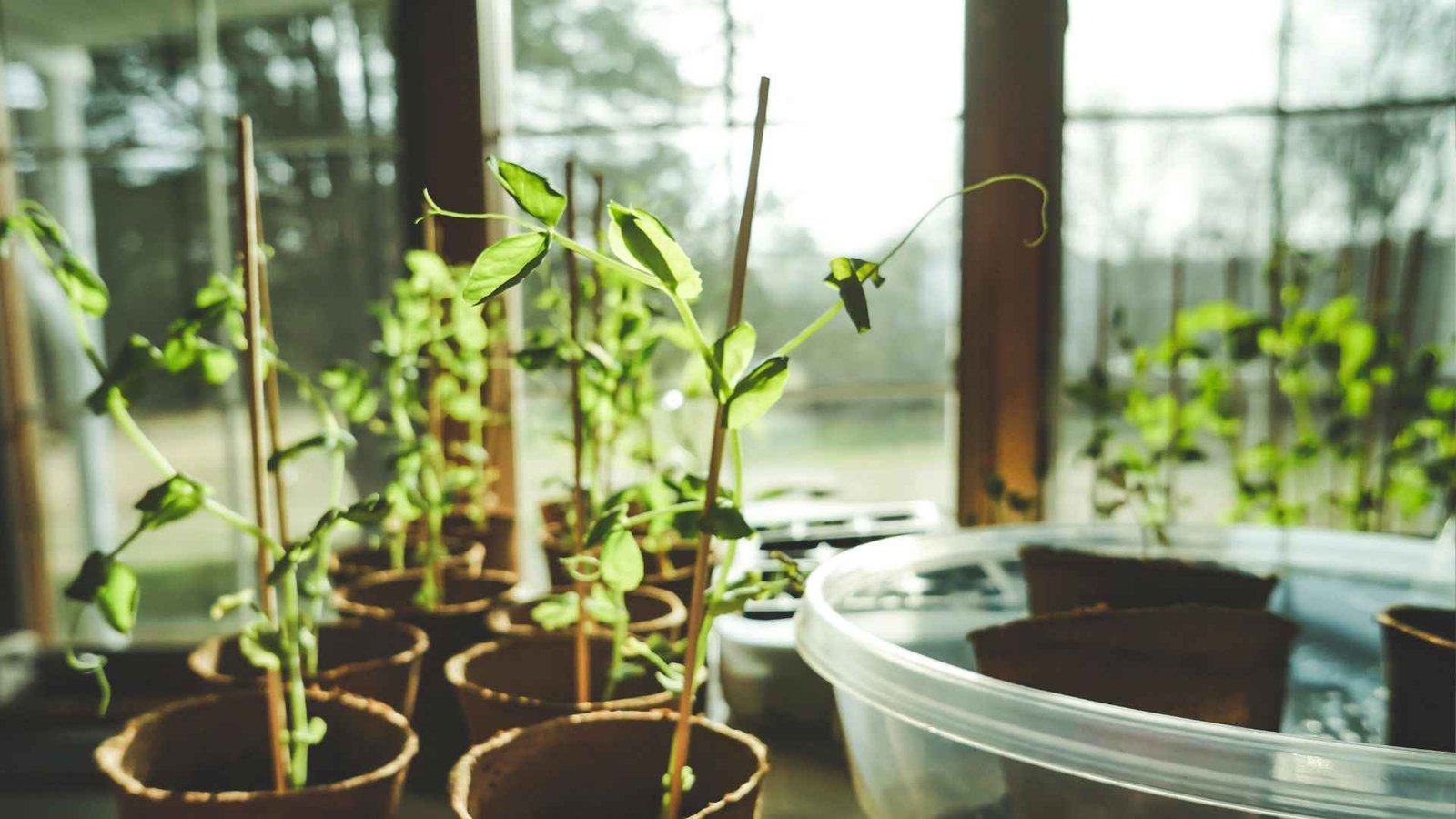
Best Grow Lights for Herbs Indoors
If you’ve ever tried growing herbs like basil, mint, or parsley indoors, you’ve probably noticed something frustrating:
👉 They grow well for a few weeks… then suddenly become weak, leggy, or stop growing.
The reason is simple:
👉 Indoor herbs don’t get enough light.
The Truth About Indoor Light
Most people think placing herbs near a window is enough.
But here’s the reality, buddy:
👉 Indoor light is MUCH weaker than outdoor sunlight.
Even a bright window provides only a fraction of the light plants actually need.
What Happens Without Enough Light?
When herbs don’t get enough light:
• Stems become long and weak (leggy growth)
• Leaves become smaller
• Flavor becomes less intense
• Growth slows down or stops
Real Example
You grow basil on your kitchen counter.
First few weeks:
✔ Looks healthy
✔ Growing fast
After a while:
❌ Long thin stems
❌ Pale leaves
❌ Weak plant
👉 This is classic low-light stress.
Why Grow Lights Solve This Problem
Grow lights are designed to:
👉 Replace natural sunlight indoors
They provide:
• Consistent light
• Correct spectrum
• Proper intensity
The Biggest Advantage
Unlike sunlight:
✔ Grow lights are consistent
✔ Not affected by weather
✔ Work day and night
What Makes Herbs Special?
Herbs are not like low-light houseplants.
They are:
This means they need:
• Bright light
• Long exposure (12–16 hours)
• Strong intensity
Examples of Light Needs
• Basil → High light
• Mint → Medium to high light
• Parsley → Medium light
• Cilantro → Medium light
Types of Grow Lights (Quick Overview)
Before we jump into the best grow lights, you need to understand the main types.
1. LED Grow Lights (Best Option)
These are the most popular today.
Why?
• Energy efficient
• Low heat
• Long lifespan
• Full-spectrum available
2. Fluorescent Lights (Old Option)
Used in the past but now less common.
Problems:
• Less efficient
• More heat
• Shorter lifespam
3. Incandescent Lights (Avoid)
These are NOT suitable for plants.
• Too much heat
• Wrong light spectrum
What Is Full-Spectrum Light?
You’ll see this term everywhere.
👉 Full-spectrum = light that mimics sunlight
It includes:
• Blue light → leaf growth
• Red light → overall development
• White light → balanced growth
Why It Matters
Plants need different colors of light for different processes.
Full-spectrum ensures:
✔ Balanced growth
✔ Healthy leaves
✔ Better flavor
How Much Light Do Herbs Need?
This is critical.
Daily Light Requirement
👉 12–16 hours per day
Herbs need long exposure to grow properly.
Light Intensity
Not just time — intensity matters too.
👉 Weak light for 16 hours ≠ strong light
Wattage Basics (Simple Rule)
For herbs:
👉 20–40 watts per square foot
Example
• Small pot → 20W
• 2–3 plants → 40–60W
• Shelf setup → 80–120W
Indoor Setup Problems (Why Beginners Fail)
Let’s be honest.
Most beginners:
• Use weak lights
• Place lights too far
• Don’t run lights long enough
👉 Result:
❌ Poor growth
❌ Weak plants
❌ Frustration
What You Actually Need (Simple Formula)
To grow herbs successfully indoors:
👉 Right light type + Right wattage + Right duration
Simple Setup Formula
• Full-spectrum LED
• 20–40W per sq ft
• 12–16 hours daily
Why This Guide Matters
There are hundreds of grow lights available online.
Some are:
• Too weak
• Overpriced
• Poor quality
Lights for Herbs Indoors
Now that you understand why herbs need proper lighting, let’s get to the most important part:
👉 Which grow lights should you actually buy?
There are hundreds of options in the market, but most are either:
• Too weak
• Overpriced
• Poor quality
So I’ve selected the best grow lights for herbs indoors in 2026 based on:
✔ Performance
✔ Value for money
✔ Ease of use
✔ Beginner-friendliness
🥇 Best Overall — Spider Farmer SF-2000 LED Grow Light
Why It’s the Best
If you want serious herb growth, this is one of the most trusted options.
• Full-spectrum LED (sunlight-like)
• High efficiency with low heat
• Strong light output for fast growth
• Covers medium to large areas
Best For
• Indoor herb shelves
• Multiple plants
• Medium setups
Real Benefit
With this light:
✔ Faster growth
✔ Strong stems
✔ Bigger leaves
Downsides
• Higher price
• Too powerful for very small setups
🥈 Best Budget Option — GooingTop LED Clip-On Grow Light
Why It’s Great
Perfect for beginners who don’t want to spend much.
• Affordable
• Easy clip-on design
• Full-spectrum light
• Built-in timer
Best For
• Kitchen herbs
• Desk plants
• Small spaces
Real Benefit
✔ Simple setup
✔ No installation needed
✔ Good for 1–2 plants
Downsides
• Limited coverage
• Not strong enough for large setups
🥉 Best for Shelves — Barrina T5 LED Grow Light Strips
Why It’s Powerful
If you’re growing multiple herbs on shelves, this is a game changer.
• Even light distribution
• Linkable strips
• Covers wide areas
• Energy efficient
Best For
• Plant shelves
• Multi-tier setups
• Herb racks
Real Benefit
✔ Uniform growth
✔ No dark spots
✔ Scalable setup
Downsides
• Requires installation
• Not portable
🌱 Best for Small Spaces — GE LED Grow Light Bulb
Why It’s Useful
This is the simplest option possible.
• Fits into normal bulbs
• No setup needed
• Affordable
Best For
• Single pots
• Small herb setups
• Beginners
Real Benefit
✔ Plug-and-play
✔ Very easy to use
Downsides
• Limited light spread
• Not suitable for multiple plants
🌿 Best Premium Option — MARS HYDRO TS 1000 LED Grow Light
Why It Stands Out
For those who want professional-level results.
• High PAR output
• Full-spectrum light
• Excellent coverage
• Strong build quality
Best For
• Advanced setups
• Faster herb growth
• Larger indoor gardens
Real Benefit
✔ Maximum growth speed
✔ Strong plant structure
Downsides
• Expensive
• Overkill for beginners
Quick Comparison (Easy Decision)
Let’s simplify everything, buddy 👇
• Small setup → GooingTop or GE bulb
• Medium setup → Spider Farmer
• Shelf setup → Barrina strips
• Advanced setup → Mars Hydro
How to Choose Between These (Simple Logic)
1. How many plants do you have?
• 1–2 plants → small light
• 3–6 plants → medium light
• Shelf setup → strip lights
2. How much space do you have?
• Desk → clip-on
• Shelf → strips
• Room → panel light
3. What’s your budget?
• Low → GooingTop / GE
• Medium → Spider Farmer
• High → Mars Hydro
Beginner Recommendation (Important)
If you’re just starting:
👉 Go with Gooing Top or Barrina
Why?
• Easy to use
• Affordable
• Enough for herbs
Pro Recommendation
If you want faster growth:
👉 Choose Spider Farmer or Mars Hydro
How to Use Grow Lights
You can buy the best grow lights for herbs indoors, but if you use them incorrectly:
👉 Your herbs will still struggle.
So this part will show you exactly how to use grow lights the right way.
The 3 Things That Matter Most
Forget everything complicated.
Indoor herb success depends on just 3 things:
👉 Light duration
👉 Light distance
👉 Light intensity
If you control these, your herbs will thrive.
1. How Long Should Grow Lights Be On?
This is the most important factor.
Ideal Light Duration for Herbs
👉 12–16 hours per day
Why Herbs Need Long Light Hours
Herbs are fast-growing plants.
They need:
• Continuous energy
• Strong photosynthesis
• Consistent exposure
Simple Schedule
• ON → Morning to evening
• OFF → Night (plants need rest too)
Example Routine
• 8 AM → Lights ON
• 8 PM → Lights OFF
2. Using a Timer (Game-Changer Tip)
If you want easy success:
👉 Use an automatic timer
Why It Helps
• Keeps schedule consistent
• Prevents overexposure
• Saves time
Without Timer
You will:
❌ Forget to turn lights on/off
❌ Create inconsistent growth
3. Distance Between Grow Light and Herbs
This is where most people mess up.
General Distance Rule
• Low watt lights → 12–24 inches
• Medium watt lights → 12–18 inches
• High watt lights → 18–24 inches
Why Distance Matters
Too close:
❌ Leaf burn
❌ Heat stress
Too far:
❌ Weak growth
❌ Leggy plants
Simple Rule
👉 Start at 12–18 inches and adjust
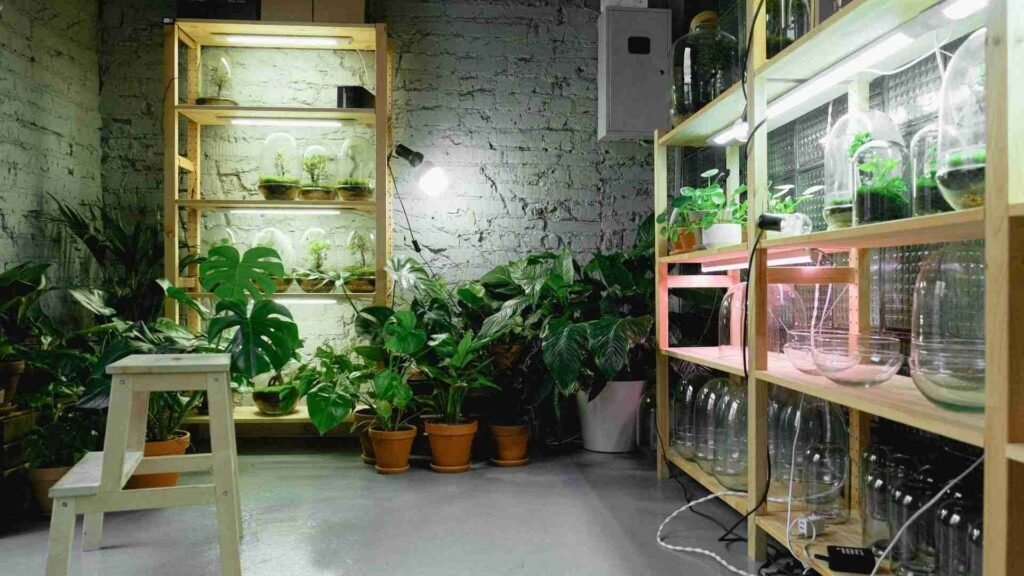
4. Positioning Your Grow Light
Light placement matters more than people think.
Best Position
👉 Directly above the plant
Why?
Plants grow toward light.
If light is sideways:
• Plants lean
• Growth becomes uneven
5. Light Coverage (Avoid This Mistake)
One light does not always cover all plants.
Common Problem
• Center plants grow well
• Side plants stay weak
Solution
👉 Ensure even light distribution
Options
• Use multiple lights
• Use strip lights
• Adjust positioning
6. Combining Natural Light + Grow Lights
If your room has some sunlight:
👉 You can combine both
Example
• Daytime → sunlight
• Evening → grow light
Benefit
✔ Saves electricity
✔ Improves growth
7. Signs Your Herbs Are Getting PERFECT Light
This is what you want to see
Healthy Signs
✔ Compact growth
✔ Bright green leaves
✔ Strong stems
✔ Fast growth
8. Signs of Too Little Light
Very common problem.
Watch for These
• Long, thin stems
• Leaves far apart
• Plant leaning toward light
• Slow growth
👉 Solution:
• Increase wattage
• Move light closer
• Increase duration
9. Signs of Too Much Light
Yes, too much light can harm herb
Watch for These
• Burned leaf edges
• Yellow or pale leaves
• Dry patches
👉 Solution:
• Increase distance
• Reduce light hours
• Lower intensity
10. Common Mistakes Beginners Make
Let’s fix these early, buddy 👇
Mistake 1: Weak Grow Light
Cheap lights often:
❌ Don’t provide enough intensity
Mistake 2: Light Too Far Away
Even strong lights fail if too far.
Mistake 3: Not Enough Light Hours
Running lights for:
• 6–8 hours ❌
👉 Not enough for herbs
Mistake 4: No Consistency
Changing schedule daily:
❌ Confuses plant growth
Mistake 5: Overcrowding Plants
Too many plants under one light:
❌ Uneven growth
11. Perfect Beginner Setup (Step-by-Step)
Let’s make it simple.
Step 1
Place grow light 12–18 inches above herbs
Step 2
Turn on for 12–16 hours daily
Step 3
Use timer for consistency
Step 4
Observe plant growth
Step 5
Adjust distance if needed
Real-Life Example (Easy to Understand)
You grow basil indoors.
Wrong Setup
• Weak light
• 6 hours daily
Result:
❌ Leggy growth
❌ Weak leaves
Correct Setup
• 30W grow light
• 14 hours daily
• Proper distance
Result:
✔ Thick stems
✔ Strong leaves
✔ Fast growth
Final Verdict
Now that you’ve learned everything about the best grow lights for herbs indoors, it’s time to simplify it into a clear decision.
So here’s the big question:
👉 Which grow light should you actually choose for your herbs?
The answer is simple:
👉 Choose the grow light that matches your space, plant count, and experience level — not just the most powerful one.
The Simple Buying Formula (Remember This)
If you remember only one thing from this guide, remember this:
👉 Right light type + Right wattage + Proper setup = Healthy herbs
Let’s break that down.
1. Always Choose Full-Spectrum LED
This is non-negotiable.
Full-spectrum LED lights:
• Mimic natural sunlight
• Support all growth stages
• Improve leaf quality and flavor
2. Match Wattage to Your Setup
Don’t guess — calculate.
👉 Use this rule:
• 20–40 watts per square foot
Example
• Small herb pot → 20W
• 2–3 plants → 40–60W
• Shelf setup → 80–120W
3. Choose Based on Your Setup Type
This is where most people go wrong.
Small Setup (Kitchen or Desk)
Best choice:
• Clip-on light
• Grow light bulb
👉 Example: GooingTop or GE bulb
Medium Setup (Multiple Plants)
Best choice:
• LED panel light
👉 Example: Spider Farmer
Shelf Setup (Multiple Layers)
Best choice:
• LED strip lights
Advanced Setup
Best choice:
• High-performance LED panel
👉 Example: Mars Hydro
Quick Decision Guide (Super Simple)
Let’s make it easy, buddy 👇
If You Are a Beginner
👉 Start with:
• GooingTop clip-on
OR
• GE grow bulb
If You Have 3–6 Plants
👉 Go for:
• Spider Farmer
If You Have Shelves
👉 Choose:
• Barrina strips
If You Want Maximum Growth
👉 Choose:
• Mars Hydro
The Biggest Truth About Grow Lights
Most people think:
👉 “The most expensive light is the best”
But that’s not true.
👉 The BEST grow light is:
✔ The one that matches your setup
✔ The one you use correctly
✔ The one that gives consistent light
Common Buying Mistakes (Avoid These)
Let’s protect your readers 👇
Mistake 1: Buying Too Weak Light
Cheap lights often:
❌ Don’t provide enough intensity
Mistake 2: Ignoring Coverage Area
One light cannot cover unlimited space.
Mistake 3: Falling for Marketing Claims
Ignore:
👉 “1000W equivalent”
Focus on:
👉 Actual wattage
Mistake 4: Not Checking Features
Important features:
• Timer
• Adjustable height
• Flexible arms
Mistake 5: Overbuying Power
Too much light can:
❌ Burn plants
❌ Waste electricity
Pro-Level Tips (What Experts Do)
Let’s level you up, buddy 😄
Tip 1: Use a Timer Always
Consistency = better growth
Tip 2: Combine Natural + Artificial Light
If possible:
• Use sunlight + grow light
Tip 3: Upgrade Gradually
Start small → scale later
Tip 4: Watch Your Plants
Plants will tell you everything.
• Stretching → not enough light
• Burning → too much light
Final Comparison: Good Setup vs Bad Setup
Good Setup
✔ Proper wattage
✔ Correct distance
✔ Consistent timing
✔ Healthy growth
Bad Setup
❌ Weak light
❌ Poor placement
❌ Inconsistent timing
❌ Slow growth
Final Verdict
So buddy, here’s the final answer:
👉 The best grow lights for herbs indoors in 2026 are the ones that provide full-spectrum light, proper wattage, and consistent coverage.
If you choose correctly:
• Herbs grow faster
• Leaves become richer and more flavorful
• Plants stay compact and healthy
Conclusion
Growing herbs indoors is simple once you understand lighting.
With the right grow light:
• You can grow herbs year-round
• You control plant growth completely
• You get fresh herbs anytime
And the best part?
👉 No more weak, leggy plants ever again 🌿🔥
FAQs
1. What is the best grow light for herbs indoors?
The best grow light for herbs indoors is a full-spectrum LED grow light. Options like clip-on lights for small setups or panel lights for larger setups work well depending on your space and plant needs.
2. How many hours of light do indoor herbs need?
Indoor herbs need about 12–16 hours of light per day to grow properly. Consistent lighting helps them produce healthy leaves and strong stems.
3. Can herbs grow with LED grow lights only?
Yes, herbs can grow completely under LED grow lights without natural sunlight. As long as the light is full-spectrum and used correctly, herbs will grow well indoors.
4. How far should grow lights be from herbs?
Grow lights should typically be placed 12–18 inches above herbs, depending on the wattage. Adjust the distance based on plant response to avoid burning or weak growth.
5. What wattage is best for growing herbs indoors?
Herbs usually need around 20–40 watts per square foot. High-light herbs like basil may require higher wattage within this range for optimal growth.