
Understanding LED Grow Light Wattage for Indoor Plants
Most indoor plants fail because of wrong grow light wattage — here’s exactly how to get it right.
If you’re setting up indoor plants, one question comes up almost immediately:
👉 How much LED grow light wattage do indoor plants actually need?
This is where most beginners get confused.
You’ll see terms like:
• 10W, 50W, 100W LED
• “Equivalent wattage”
• Lumens, PAR, PPFD
And suddenly… it feels complicated 😅
But don’t worry, buddy — I’ll break it down in the simplest way possible.
What Does Wattage Mean in LED Grow Lights?
Let’s start with the basics.
👉 Wattage = how much power the light uses
But here’s the important part:
👉 More watts usually = more light output (but not always)
Simple Explanation
Think of wattage like this:
• Low watt (10–20W) → small light output
• Medium watt (30–50W) → moderate light
• High watt (100W+) → strong light
Why Wattage Matters for Indoor Plants
Plants need light for photosynthesis.
Without enough light:
❌ Slow growth
❌ Weak stems
❌ Small leaves
❌ Leggy plants
With proper light:
✔ Faster growth
✔ Strong stems
✔ Healthy leaves
The Biggest Beginner Mistake
Most beginners think:
👉 “I’ll just buy the highest watt light”
But that’s wrong.
Too much light can:
❌ Burn leaves
❌ Stress plants
❌ Waste electricity
The Real Goal
You don’t need the strongest light.
👉 You need the RIGHT wattage for your plant type and space
Actual Wattage vs “Equivalent Wattage”
This is where confusion happens.
You’ll see products like:
👉 “100W LED (Equivalent to 1000W)”
What Does This Mean?
• Actual wattage = real power used
• Equivalent wattage = marketing comparison
Example
A light labeled:
👉 100W LED
Might claim:
👉 “Equivalent to 600W traditional light”
Important Rule
👉 Always look at actual wattage, not “equivalent”
How Much Wattage Do Indoor Plants Need?
Now let’s simplify everything.
Basic Rule (Very Important)
👉 20–40 watts per square foot
This is the easiest way to calculate.
Example
If your plant area is:
• 1 square foot → 20–40W
• 2 square feet → 40–80W
• 3 square feet → 60–120W
Plant Type Matters (Critical)
Different plants need different light levels.
Low-Light Plants
• Snake plant
• ZZ plant
• Pothos
👉 Need 10–20 watts per sq ft
Medium-Light Plants
• Peace lily
• Spider plant
• Philodendron
👉 Need 20–30 watts per sq ft
High-Light Plants
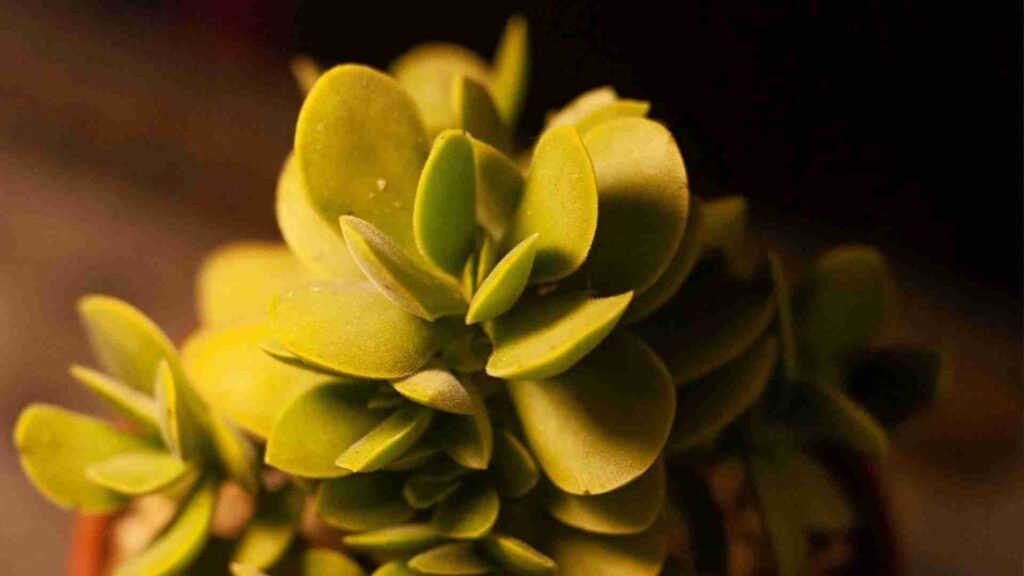
• Succulents
• Cactus
• Herbs
👉 Need 30–40+ watts per sq ft
Distance Also Affects Wattage
Wattage alone is not enough.
👉 Distance between light and plant matters.
Close Light
• Strong intensity
• Lower watt needed
Far Light
• Weak intensity
• Higher watt needed
Simple Rule
👉 Closer light = less watt needed
👉 Farther light = more watt needed
Indoor Setup Example (Beginner Friendly)
Let’s say you have:
• 2 small plants on a table
You need:
👉 30–50W LED grow light
This is enough for:
✔ Healthy growth
✔ Balanced light
✔ No burning
Why LED Grow Lights Are Best
Compared to old lights:
• Less heat
• Energy efficient
• Longer lifespan
• Better light spectrum
👉 That’s why LEDs are the #1 choice today.
How to Calculate LED Grow Light Wattage for Indoor Plants
Now that you understand the basics of LED grow light wattage for indoor plants, let’s answer the real question:
👉 How many watts do YOU actually need for your setup?
This is where most beginners make mistakes — but we’ll fix that step by step.
Step 1: Measure Your Growing Area
Before choosing any grow light, you need to know:
👉 How much space your plants occupy
How to Measure
Use this simple formula:
👉 Length × Width = Area (square feet)
Example 1 (Small Table Setup)
• Length = 1 ft
• Width = 1 ft
👉 Area = 1 sq ft
Example 2 (Shelf Setup)
• Length = 2 ft
• Width = 1 ft
👉 Area = 2 sq ft
Example 3 (Indoor Plant Corner)
• Length = 3 ft
• Width = 2 ft
👉 Area = 6 sq ft
👉 This number is VERY important.
Step 2: Apply the Wattage Rule
Now use the basic rule:
👉 20–40 watts per square foot
Quick Formula
👉 Area × Wattage = Total watts needed
Example Calculations
1 sq ft Area
• Low light → 10–20W
• Medium light → 20–30W
• High light → 30–40W
2 sq ft Area
• Medium plants → 40–60W
4 sq ft Area
• High-light plants → 120–160W
👉 Simple and powerful.
Step 3: Adjust Based on Plant Type
This is where accuracy improves.
Low-Light Plants
• Pothos
• Snake plant
• ZZ plant
👉 Use lower watt range
Medium-Light Plants
• Peace lily
• Spider plant
• Philodendron
👉 Use mid-range wattage
High-Light Plants
• Succulents
• Cactus
• Herbs
👉 Use higher wattage
👉 Always match wattage to plant needs.
Step 4: Consider Light Coverage (Very Important)
Not all grow lights cover the same area.
Some lights:
• Spread light widely
• Others focus light narrowly
Beginner Mistake
Buying a light with:
👉 High wattage but poor coverage
Result:
• Some plants get too much light
• Others get too little
Solution
👉 Check “coverage area” in product details
Step 5: Adjust for Light Distance
Distance changes light intensity.
Close Distance (6–12 inches)
✔ Strong light
✔ Lower watt needed
Medium Distance (12–24 inches)
✔ Balanced light
✔ Standard watt needed
Far Distance (24+ inches)
❌ Weak light
✔ Requires higher watt
👉 Always adjust based on height.
Real Setup Examples (Very Useful)
Let’s make this real-world.
Example 1: Desk Plants Setup
You have:
• 2 small plants
• 1 sq ft area
👉 Recommended:
✔ 20–30W LED light
Example 2: Shelf with 4 Plants
Area:
• 2–3 sq ft
👉 Recommended:
✔ 50–80W LED light
Example 3: Indoor Plant Corner
Area:
• 5–6 sq ft
👉 Recommended:
✔ 120–180W LED light
Example 4: Succulent Collection
Succulents need strong light.
👉 Use:
✔ Higher wattage range (30–40W per sq ft)
Common Wattage Mistakes Beginners Make
Let’s save your readers from errors 👇
Mistake 1: Ignoring Area Size
Buying light based on:
👉 Product title, not actual need
Mistake 2: Falling for “Equivalent Wattage”
Remember:
👉 Always check actual wattage
Mistake 3: Using One Light for Too Many Plants
Result:
• Uneven growth
• Weak plants
Mistake 4: Too Much Wattage
More watt ≠ better growth
👉 Can burn plants
Mistake 5: Ignoring Plant Type
Using same wattage for:
• Snake plant ❌
• Succulent ❌
👉 Needs are different.
Pro Tips for Perfect Setup
Tip 1: Start Small
👉 Don’t overbuy wattage
Upgrade later if needed.
Tip 2: Use Adjustable Lights
This helps control:
• Distance
• Intensity
Tip 3: Observe Plant Response
Watch for:
✔ Healthy growth
✔ Leaf color
✔ Stretching
Best LED Grow Light Wattage for Different Indoor Plants + Common Light Problems
Now that you know how to calculate LED grow light wattage for indoor plants, let’s make it even more practical.
👉 Not all plants need the same light.
If you use the wrong wattage:
• Too low → weak growth
• Too high → burned leaves
So let’s match the right wattage with the right plant.
Best Wattage for Common Indoor Plants
Here’s a simple breakdown you can follow.
Low-Light Plants (Beginner Friendly)
These plants survive in low light but still benefit from grow lights.
Examples
• Snake plant
• ZZ plant
• Pothos
Recommended Wattage
👉 10–20 watts per square foot
What Happens If You Use Too Much Light?
• Leaves may turn pale
• Growth may slow
• Plant gets stressed
Best Setup
• Keep light at moderate distance
• Use low to medium watt LED
Medium-Light Plants
These are the most common indoor plants.
Examples
• Peace lily
• Spider plant
• Philodendron
• Monstera
Recommended Wattage
👉 20–30 watts per square foot
Best Setup
• Balanced light
• Moderate distance
• Consistent exposure
Result
✔ Healthy growth
✔ Bigger leaves
✔ Strong stems
High-Light Plants (Important Category)
These plants NEED strong light.
Examples
• Succulents
• Cactus
• Herbs (basil, mint)
Recommended Wattage
👉 30–40+ watts per square foot
Best Setup
• Strong LED light
• Closer distance
• Longer exposure
Result
✔ Compact growth
✔ Vibrant colors
✔ No stretching
Signs Your Grow Light Wattage Is TOO LOW
This is very common.
Watch for These Signs
1. Leggy Growth
• Long, stretched stems
• Plant reaching toward light
👉 Means: Not enough light
2. Small Leaves
New leaves are:
• Smaller
• Weak
3. Slow Growth
Plant stops growing even in growing season.
4. Pale Leaves
Leaves lose their deep green color.
👉 Solution:
Increase wattage OR bring light closer.
Signs Your Grow Light Wattage Is TOO HIGH
Yes — too much light is also a problem.
Watch for These Signs
1. Leaf Burn
• Brown or crispy edges
• Dry patches
2. Faded Color
Leaves look:
• Washed out
• Pale
3. Curling Leaves
Leaves start curling or twisting.
4. Heat Stress
Even LED lights can create heat at high intensity.
👉 Solution:
Reduce wattage OR increase distance.
Perfect Light Distance Guide
Distance is just as important as wattage.
Low Watt Lights (10–20W)
👉 Place 12–24 inches above plants
Medium Watt Lights (20–50W)
👉 Place 12–18 inches above plants
High Watt Lights (100W+)
👉 Place 18–24 inches above plants
👉 Always adjust based on plant response.
How Long Should Grow Lights Be ON?
Wattage is only half the story.
👉 Duration matters too.
General Rule
• Low-light plants → 8–10 hours
• Medium-light plants → 10–12 hours
• High-light plants → 12–16 hours
👉 Consistency is key.
Beginner Setup Optimization (Important)
Let’s make your setup perfect.
Tip 1: Use a Timer
This keeps light schedule consistent.
Tip 2: Combine Natural + Artificial Light
If your room has some sunlight:
👉 Use grow lights as support
Tip 3: Rotate Plants
Plants grow toward light.
👉 Rotate weekly for balanced growth.
Tip 4: Keep Lights Clean
Dust reduces light intensity.
👉 Clean lights regularly.
Real-Life Example (Powerful Insight)
Let’s say you have:
• A succulent under a 20W light
Result:
❌ Stretching
❌ Weak growth
Now upgrade to:
👉 40W light
Result:
✔ Compact growth
✔ Strong leaves
Final Verdict — LED Grow Light Wattage for Indoor Plants + Best Setup Strategy
Now that you understand everything about LED grow light wattage for indoor plants, let’s bring it all together in the simplest way possible.
So here’s the big question again:
👉 How much LED grow light wattage do indoor plants really need?
The answer is:
👉 It depends on your plant type, growing area, and light setup — not just the wattage number.
The Simple Formula You Should Always Follow
If you remember only one thing, remember this:
👉 20–40 watts per square foot
This is your foundation.
From here:
• Low-light plants → 10–20W
• Medium-light plants → 20–30W
• High-light plants → 30–40W+
The Perfect Beginner Setup Strategy
Let’s make this super practical.
Step 1: Measure Your Space
Always calculate your area first.
👉 Example:
• 2 sq ft → 40–80W needed
Step 2: Choose Based on Plant Type
Don’t use the same wattage for all plants.
👉 Match light to plant needs.
Step 3: Use Proper Distance
Even a perfect wattage fails if distance is wrong.
• Too close → burning
• Too far → weak growth
Step 4: Set Proper Light Duration
Combine wattage + time:
• 8–16 hours depending on plant type
Step 5: Observe and Adjust
Plants always give signals.
👉 Adjust wattage, distance, or duration based on:
• Growth
• Leaf color
• Plant shape
Beginner Mistakes to Avoid (Critical)
Let’s protect your readers from common problems.
Mistake 1: Buying Based on “Equivalent Wattage”
Ignore marketing.
👉 Always check actual wattage.
Mistake 2: Using One Light for Large Area
Light spreads unevenly.
👉 Match light to coverage area.
Mistake 3: Too Much Wattage
More power ≠ better growth.
👉 Can damage plants.
Mistake 4: Ignoring Distance
Even strong lights fail if placed too far.
Mistake 5: No Consistent Schedule
Plants need routine.
👉 Inconsistent lighting = poor growth.
Best Wattage Setup for Beginners (Quick Guide)
Let’s make this super simple.
Small Setup (Desk Plants)
• Area: 1–2 sq ft
👉 Use: 20–50W LED
Medium Setup (Shelf Plants)
• Area: 2–4 sq ft
👉 Use: 50–120W LED
Large Setup (Indoor Corner)
• Area: 4–6 sq ft
👉 Use: 120–200W LED
Succulent Setup
👉 Always go higher watt range
Pro-Level Tips (What Experts Do)
Let’s level you up, buddy 😄
Tip 1: Combine Wattage + Distance
Instead of buying bigger lights:
👉 Adjust height first.
Tip 2: Use Multiple Small Lights
Better than one big light.
✔ Even coverage
✔ Better control
Tip 3: Upgrade Gradually
Start small.
👉 Increase wattage if needed.
Tip 4: Watch Plant Behavior
Plants are the best indicator.
👉 They tell you if light is right.
Final Comparison: Right vs Wrong Wattage
Correct Wattage
✔ Healthy growth
✔ Strong stems
✔ Vibrant leaves
✔ Balanced shape
Wrong Wattage
❌ Stretching
❌ Burning
❌ Slow growth
❌ Weak plants
Final Verdict
So buddy, here’s the final answer:
👉 LED grow light wattage for indoor plants is not about buying the strongest light — it’s about choosing the RIGHT wattage for your setup.
If you follow:
• Area calculation
• Plant type matching
• Proper distance
• Correct duration
👉 You will get perfect results.
Conclusion
Understanding LED grow light wattage for indoor plants is one of the most important steps in building a successful indoor garden.
Once you get this right:
• Your plants grow faster
• Leaves become healthier
• Growth becomes consistent
And most importantly:
👉 You stop guessing and start growing like a pro 🌿🔥
FAQs
1. How many watts do LED grow lights need for indoor plants?
Most indoor plants need around 20–40 watts per square foot. Low-light plants require less, while high-light plants like succulents need higher wattage.
2. Is higher wattage better for indoor plants?
No, higher wattage is not always better. Too much light can burn leaves and stress plants. It’s important to match wattage with plant type and growing area.
3. Can I use a low watt LED grow light for all plants?
No, low watt LED lights are suitable only for low-light plants. High-light plants like cactus and succulents require stronger wattage for proper growth.
4. How far should LED grow lights be from plants?
The distance depends on wattage. Low watt lights should be placed 12–24 inches away, while higher watt lights should be placed 18–24 inches above plants.
5. How long should LED grow lights stay on for indoor plants?
Most indoor plants need 8–16 hours of light per day, depending on their light requirements. Consistent lighting schedules give the best results.