Introduction
What is potting soil? Whether you’re growing lush houseplants, fresh herbs on your kitchen windowsill, or colorful flowers on your balcony, the success of your plants begins beneath the surface—with the right growing medium. One of the most common terms you’ll encounter in gardening is potting soil, but many beginners are unsure what it actually is and how it differs from ordinary garden soil.
Despite its name, potting soil isn’t always “soil” in the traditional sense. In fact, many modern potting mixes contain little to no natural soil at all. Instead, they are carefully formulated blends of organic and inorganic materials that provide the perfect balance of moisture retention, drainage, aeration, and nutrients for container-grown plants.
Choosing the right potting soil is one of the most important decisions you’ll make as a gardener. A high-quality potting mix encourages strong root development, improves water management, reduces the risk of root diseases, and supplies plants with the support they need to grow healthy leaves, vibrant flowers, and productive fruits.
On the other hand, using the wrong growing medium can lead to compacted roots, poor drainage, nutrient deficiencies, pest problems, and slow plant growth. That’s why understanding potting soil is essential, whether you’re a complete beginner or an experienced plant enthusiast.
In this comprehensive guide, you’ll learn exactly what potting soil is, what it’s made of, how it works, why it’s different from garden soil, and how to choose the best potting mix for different types of indoor and outdoor plants.
Quick Answer
Potting soil is a specially formulated growing medium designed for plants grown in containers. It typically contains ingredients such as peat moss or coco coir, compost, bark, perlite, vermiculite, and slow-release fertilizers. Unlike garden soil, potting soil is lightweight, well-draining, and rich in organic matter, providing the ideal environment for healthy root growth and container gardening.
Quick Comparison
| Feature | Potting Soil | Garden Soil |
|---|---|---|
| Designed For | Containers and pots | Garden beds and landscapes |
| Texture | Light and fluffy | Dense and heavy |
| Drainage | Excellent | Moderate |
| Aeration | High | Lower |
| Sterility | Usually sterile | Contains natural organisms |
| Best Use | Indoor and outdoor potted plants | In-ground planting |
Comparison Table
| Feature | Potting Soil | Potting Mix | Garden Soil |
| Contains Natural Soil | Sometimes | Usually No | Yes |
| Weight | Lightweight | Very Lightweight | Heavy |
| Drainage | Excellent | Excellent | Moderate |
| Water Retention | Balanced | Balanced | Variable |
| Suitable for Containers | Excellent | Excellent | Not Recommended |
| Suitable for Garden Beds | Limited | No | Excellent |
| Root Aeration | Excellent | Excellent | Moderate |
| Sterile | Usually | Yes | No |
Detailed Guide
What Is Potting Soil?
Potting soil is a specially prepared growing medium developed for plants that are grown inside containers such as pots, planters, hanging baskets, window boxes, and grow bags. Unlike ordinary soil taken from a garden, potting soil is designed to provide the perfect balance of water retention, drainage, air circulation, and nutrients in the limited space available inside a container.
Although the name suggests it is made entirely of soil, many commercial products contain very little—or even no natural soil at all. Instead, manufacturers combine carefully selected organic and inorganic ingredients that create a lightweight, well-aerated environment where plant roots can thrive.
Every ingredient has a specific purpose. Some materials hold moisture so plants don’t dry out too quickly, while others improve drainage to prevent waterlogging. Additional components increase airflow around the roots, helping plants absorb oxygen, water, and nutrients more efficiently.
Because container-grown plants rely entirely on the growing medium inside their pots, potting soil must perform many functions that natural ground soil performs over a much larger area.
A quality potting soil should:
- Support healthy root development.
- Hold enough moisture without becoming waterlogged.
- Allow excess water to drain easily.
- Provide excellent airflow around roots.
- Supply nutrients or retain fertilizers effectively.
- Resist compaction over time.
- Be free from weeds, pests, and harmful pathogens.
These characteristics make potting soil one of the most important factors in successful container gardening.
Why Is Potting Soil Important?
Healthy plants begin with healthy roots, and healthy roots depend on the quality of the growing medium.
When plants are grown in containers, their roots cannot spread through large areas of soil to search for water, nutrients, or oxygen. Everything the plant needs must come from the limited amount of potting soil inside the container.
This makes the quality of the growing medium much more important than many beginners realize.
A good potting soil helps plants by:
Supporting Strong Root Growth
Loose, well-aerated potting soil allows roots to spread freely throughout the container. Healthy roots absorb more water and nutrients, resulting in stronger stems, greener leaves, and faster growth.
Improving Drainage
Excess water is one of the leading causes of houseplant problems. Potting soil is formulated to drain efficiently while still retaining enough moisture for plant growth.
Proper drainage reduces the likelihood of:
- Root rot
- Fungal diseases
- Mold growth
- Waterlogged soil
Maintaining Moisture
Quality potting soil acts like a sponge, absorbing water and releasing it gradually as plants need it.
This balanced moisture retention helps prevent both underwatering and overwatering.
Providing Air to Roots
Plant roots require oxygen just as much as they need water.
Because potting soil remains loose and porous, air can circulate between its particles, supplying roots with the oxygen required for healthy growth.
Holding Nutrients
Many premium potting soils contain compost, worm castings, or slow-release fertilizers that provide nutrients over several weeks or months.
Even after these nutrients are depleted, the growing medium continues to hold fertilizer effectively whenever additional plant food is applied.
What Is Potting Soil Made Of?
Modern potting soil is created by combining several ingredients, each selected for a specific purpose. Rather than relying on natural soil alone, manufacturers blend different materials to produce a growing medium that performs consistently in containers.
The exact formula varies between brands and products, but most high-quality potting soils contain a combination of the following ingredients.
Peat Moss
Peat moss is one of the most common ingredients in commercial potting soil.
Harvested from peat bogs, it is lightweight, highly absorbent, and capable of holding several times its weight in water.
Benefits of Peat Moss
- Excellent moisture retention
- Lightweight texture
- Improves root development
- Helps maintain consistent soil moisture
- Long-lasting structure
One drawback of peat moss is that it is slightly acidic and is considered a limited natural resource. For this reason, many gardeners now prefer sustainable alternatives such as coco coir.
Coco Coir
Coco coir is produced from coconut husks and has become one of the most popular eco-friendly alternatives to peat moss.
Its structure closely resembles peat but is renewable and environmentally sustainable.
Benefits of Coco Coir
- Excellent water retention
- Sustainable and renewable
- Resistant to compaction
- Good airflow around roots
- Neutral pH for most plants
Coco coir is now commonly found in premium potting soils designed for indoor plants and container gardening.
Compost
Compost provides organic matter and natural nutrients that support healthy plant growth.
Produced from decomposed plant materials and other organic waste, compost improves soil fertility while increasing microbial activity around the root system.
Benefits include:
- Slow-release nutrients
- Improved soil structure
- Better moisture retention
- Increased beneficial microorganisms
- Healthier plant growth
High-quality compost forms the nutritional foundation of many premium potting soil blends.
Perlite
Perlite is a lightweight volcanic mineral that expands when heated to high temperatures. It appears as small white particles throughout many commercial potting soils.
Its primary purpose is to improve drainage and increase air circulation around plant roots. Because perlite does not absorb much water, it creates tiny air pockets that prevent the growing medium from becoming compacted.
Benefits of Perlite
- Improves drainage
- Increases root aeration
- Prevents soil compaction
- Lightweight and long-lasting
- Reduces the risk of root rot
Perlite is especially beneficial for succulents, cacti, orchids, and other plants that prefer fast-draining soil.
Vermiculite
Vermiculite is another natural mineral commonly used in potting soil. Unlike perlite, it absorbs and retains moisture, gradually releasing it back to plant roots when needed.
This makes vermiculite particularly useful for seedlings and moisture-loving plants.
Benefits of Vermiculite
- Excellent moisture retention
- Holds nutrients effectively
- Improves seed germination
- Helps maintain even soil moisture
- Lightweight and easy to mix
Many premium potting soils contain both perlite and vermiculite to create the ideal balance between drainage and water retention.
Pine Bark
Pine bark is an organic ingredient that improves the texture and structure of potting soil. As it slowly decomposes, it adds organic matter while maintaining air pockets that encourage healthy root growth.
It is especially common in mixes designed for orchids and tropical houseplants.
Benefits of Pine Bark
- Improves drainage
- Enhances soil structure
- Increases airflow around roots
- Breaks down slowly
- Adds organic matter
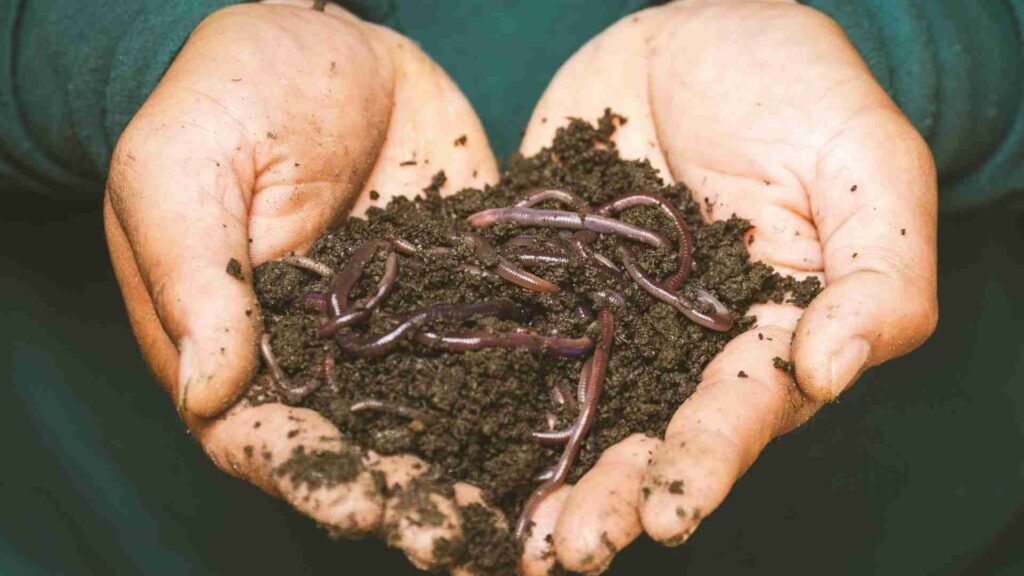
Worm Castings and Organic Fertilizers
Many premium potting soils include worm castings, composted manure, or other organic fertilizers. These ingredients supply essential nutrients while improving soil biology.
Unlike synthetic fertilizers, organic amendments release nutrients gradually, providing plants with a steady food source.
Benefits
- Natural source of nutrients
- Encourages beneficial microorganisms
- Improves root development
- Supports long-term plant health
Slow-Release Fertilizers
Some commercial potting soils contain slow-release fertilizer pellets that provide nutrients for several months after planting.
These fertilizers slowly dissolve each time the plant is watered, reducing the need for frequent feeding.
While convenient, it’s still important to begin a regular fertilizing schedule once the nutrients in the potting soil are depleted.
Potting Soil vs. Potting Mix
The terms potting soil and potting mix are often used interchangeably, but they are not always identical.
Potting soil may contain a small amount of natural soil along with organic materials and soil conditioners. Potting mix, on the other hand, is usually a completely soilless growing medium made from ingredients such as coco coir, peat moss, perlite, vermiculite, and composted bark.
For most indoor plants, both products perform very well because they provide excellent drainage, moisture retention, and root aeration.
| Feature | Potting Soil | Potting Mix |
|---|---|---|
| Contains Natural Soil | Sometimes | Rarely |
| Drainage | Excellent | Excellent |
| Weight | Lightweight | Very Lightweight |
| Indoor Plants | Excellent | Excellent |
| Container Gardening | Excellent | Excellent |
Potting Soil vs. Garden Soil
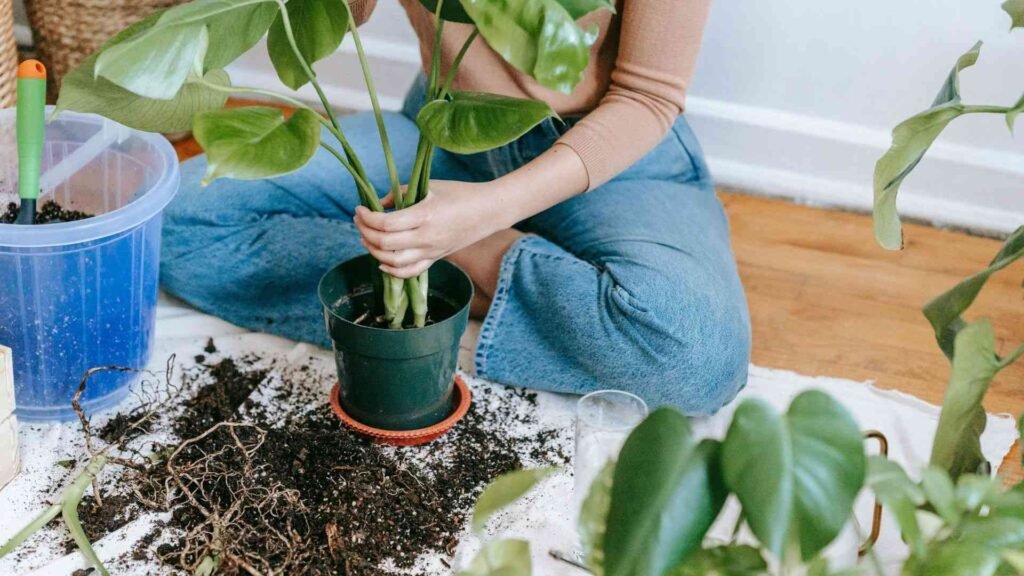
One of the biggest mistakes beginners make is filling pots with ordinary garden soil.
Garden soil is designed for outdoor planting, where water can drain into the ground and plant roots have plenty of space to expand. Inside a container, however, it becomes dense and compacted, restricting airflow and trapping excess moisture.
Potting soil is specifically engineered for container gardening, making it the better choice for nearly all indoor plants.
| Feature | Potting Soil | Garden Soil |
|---|---|---|
| Weight | Lightweight | Heavy |
| Drainage | Excellent | Moderate |
| Root Aeration | Excellent | Limited |
| Weed Seeds | Usually None | Often Present |
| Best Use | Containers | Garden Beds |
Types of Potting Soil
Not all potting soils are the same. Different plants have different growing requirements, so manufacturers produce specialized blends for specific purposes.
General-Purpose Potting Soil
This versatile mix is suitable for most common houseplants, herbs, and flowering plants. It provides a balanced combination of drainage, moisture retention, and nutrients.
Seed Starting Mix
Seed-starting mixes are finer and lighter than regular potting soil. They are designed to encourage fast germination and delicate root development.
Succulent and Cactus Mix
These blends contain extra perlite, coarse sand, or pumice to improve drainage and prevent excess moisture around the roots.
Orchid Mix
Orchid mixes typically contain bark, charcoal, and coarse materials that provide exceptional airflow, which orchid roots require to thrive.
Moisture-Control Potting Soil
These mixes include ingredients that retain water for longer periods, helping reduce watering frequency for moisture-loving plants.
How to Choose the Best Potting Soil
Selecting the right potting soil depends on the type of plants you grow and their specific needs.
Consider the following factors before purchasing:
- Match the mix to your plant type.
- Look for ingredients such as coco coir, compost, perlite, and bark.
- Ensure the mix drains well while retaining enough moisture.
- Choose high-quality products from reputable brands.
- Avoid heavy garden soil for containers.
- Replace old potting soil when it becomes compacted or depleted.
Using the right potting soil from the beginning gives plants a healthier environment and reduces many common gardening problems before they occur.
Common Mistakes When Using Potting Soil
Even the highest-quality potting soil won’t produce healthy plants if it’s used incorrectly. Many beginner gardeners unknowingly make mistakes that affect root health, watering, and overall plant growth. Avoiding these common errors will help your plants thrive.
Using Garden Soil in Containers
One of the biggest mistakes is filling pots with ordinary garden soil. While it works well in outdoor beds, garden soil becomes compacted inside containers, restricting airflow and slowing drainage. This can lead to waterlogged roots, poor growth, and root rot.
Always use a quality potting soil or potting mix specifically formulated for container gardening.
Reusing Old Potting Soil Without Refreshing It
Potting soil gradually loses its structure and nutrients over time. After months of watering, it can become compacted and less effective at supporting healthy roots.
If you plan to reuse potting soil, remove old roots and debris, mix in fresh compost or new potting mix, and add a balanced fertilizer before planting again.
Choosing the Wrong Potting Mix
Not all plants have the same growing requirements. For example, succulents need fast-draining soil, while peace lilies and ferns prefer mixes that retain more moisture.
Using a specialized potting mix for your plant type often leads to healthier growth and fewer maintenance issues.
Overwatering
Even with high-quality potting soil, watering too frequently can create problems. Most indoor plants should only be watered when the top layer of the soil begins to dry.
Always check the soil moisture before watering rather than following a strict schedule.
Ignoring Drainage Holes
Potting soil works best when excess water can escape through drainage holes. Containers without drainage trap moisture, increasing the risk of root rot.
If you prefer decorative pots without drainage, keep the plant in a nursery pot with drainage holes and place it inside the decorative container.
Tips for Keeping Potting Soil Healthy
Proper maintenance helps potting soil remain productive for a longer period.
Follow these simple tips:
- Replace potting soil every 1–2 years for most houseplants.
- Remove dead leaves and plant debris from the soil surface.
- Avoid compacting the soil by pressing it down too firmly.
- Fertilize regularly once the nutrients in the original mix are depleted.
- Water thoroughly but allow excess water to drain completely.
- Store unused potting soil in a cool, dry place with the bag sealed tightly.
Healthy potting soil creates a healthier environment for plant roots, reducing the likelihood of disease and improving long-term growth.
Frequently Asked Questions
What is potting soil used for?
Potting soil is used for growing plants in containers such as pots, planters, hanging baskets, and grow bags. It provides the proper balance of drainage, moisture retention, aeration, and nutrients needed for healthy root development.
Is potting soil the same as garden soil?
No. Potting soil is specially designed for container gardening and is lightweight with excellent drainage. Garden soil is intended for in-ground planting and is generally too dense for use in pots.
Can I reuse potting soil?
Yes. Potting soil can often be reused if it is refreshed with compost, fresh potting mix, or fertilizer and is free from pests and diseases. However, heavily compacted or contaminated soil should be replaced.
Does potting soil contain fertilizer?
Many commercial potting soils include slow-release fertilizer that feeds plants for several weeks or months. Check the product label to see whether fertilizer has been added.
How often should I replace potting soil?
For most indoor plants, replacing or refreshing potting soil every one to two years helps maintain good drainage, soil structure, and nutrient availability.
Which potting soil is best for indoor plants?
A high-quality, well-draining potting soil containing ingredients such as coco coir or peat moss, compost, perlite, and bark is suitable for most indoor plants. Choose specialty mixes for orchids, succulents, or seed starting when needed.
Final Thoughts
Potting soil is one of the most important components of successful container gardening. Unlike ordinary garden soil, it is specially formulated to provide the ideal balance of moisture, drainage, aeration, and nutrients that plants need to grow in pots and planters.
Understanding what potting soil is and how it works allows you to make better decisions when selecting a growing medium for your plants. Whether you’re caring for houseplants, growing herbs indoors, or cultivating flowers on a balcony, using the right potting soil gives your plants a strong foundation for healthy root development and vigorous growth.
Remember that no single potting soil is perfect for every plant. Succulents, orchids, vegetables, tropical houseplants, and seedlings all have different requirements, so choosing the appropriate mix can make a significant difference in their health and performance.
By investing in quality potting soil, using containers with proper drainage, watering correctly, and refreshing the growing medium when necessary, you’ll create an environment where your plants can thrive season after season.