Understanding Plastic Pots vs Terracotta Pots for Indoor Plants
If you’re starting your indoor plant journey, one of the first questions you’ll face is:
👉 Should I use plastic pots or terracotta pots for indoor plants?
At first, this might feel like a small decision. After all, a pot is just a container… right?
But here’s the truth, buddy:
👉 The type of pot you choose can make or break your plant’s health.
It affects everything:
• How often you water
• How quickly soil dries
• Root oxygen levels
• Risk of root rot
• Overall plant growth
Many beginners lose plants not because they lack care — but because they choose the wrong pot.
A Quick Beginner Story (Real Problem)
Let me tell you something relatable.
A beginner bought two plants:
• A snake plant 🌿
• A pothos 🌱
They planted both in plastic pots because they were cheap and easy.
What happened?
• Snake plant → started rotting (too much moisture)
• Pothos → survived but grew slowly
Later, they switched:
• Snake plant → terracotta pot
• Pothos → stayed in plastic
Within weeks:
✔ Snake plant recovered
✔ Pothos started growing faster
👉 Same care, same person — different pots = different results.
That’s how powerful this choice is.
What Are Plastic Pots?
Plastic pots are the most common type of plant containers, especially for beginners.
They are made from synthetic materials like polypropylene or recycled plastic.
You’ve probably seen them:
• In nurseries
• In garden stores
• Inside decorative planters
Key Features of Plastic Pots
Let’s break it down simply:
1. Non-Porous Material
Plastic does NOT absorb water.
That means:
👉 All water stays inside the soil.
This is both a good thing and a bad thing (we’ll explain later).
2. Lightweight Design
Plastic pots are super light.
You can easily:
• Move plants around
• Hang them
• Rearrange your setup
Perfect for beginners who like experimenting.
3. Wide Availability
Plastic pots are everywhere.
You’ll find:
• Cheap nursery pots
• Decorative plastic pots
• Self-watering pots
• Hanging baskets
👉 Tons of options.
4. Budget-Friendly
This is one of the biggest reasons beginners choose plastic.
You can buy:
• 5–10 pots for the price of 1 terracotta pot
Great if you’re building a plant collection.
What Are Terracotta Pots?
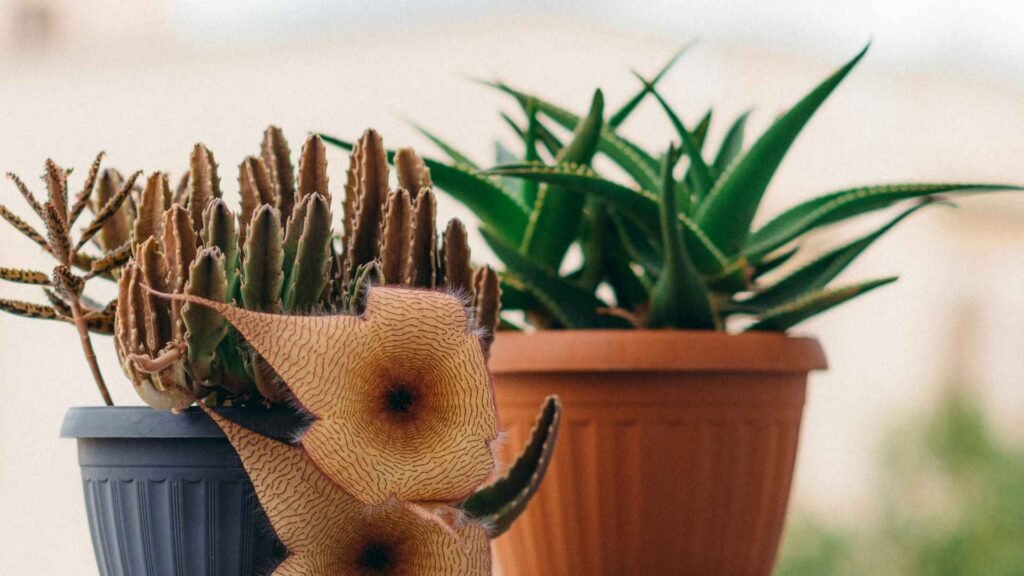
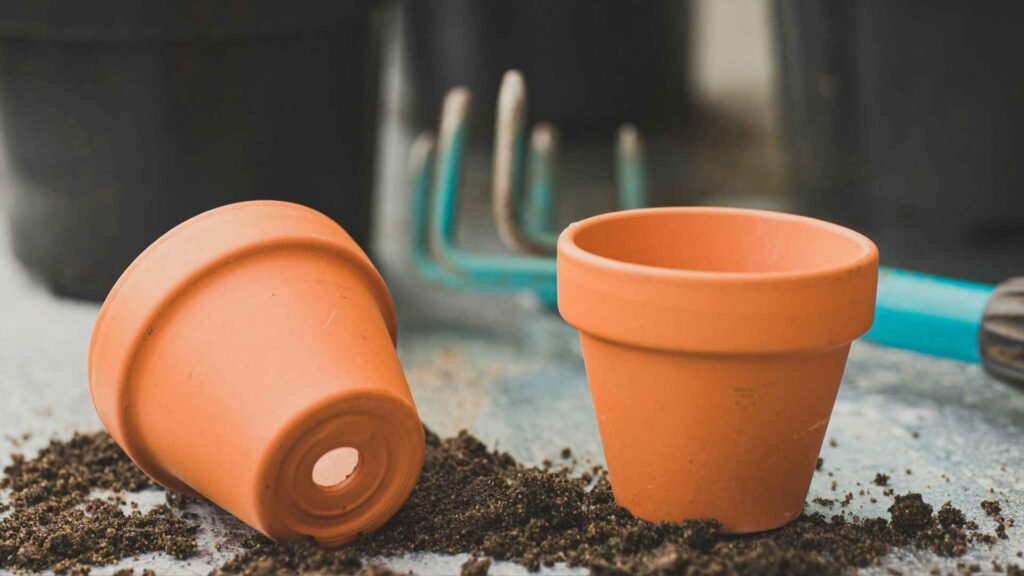
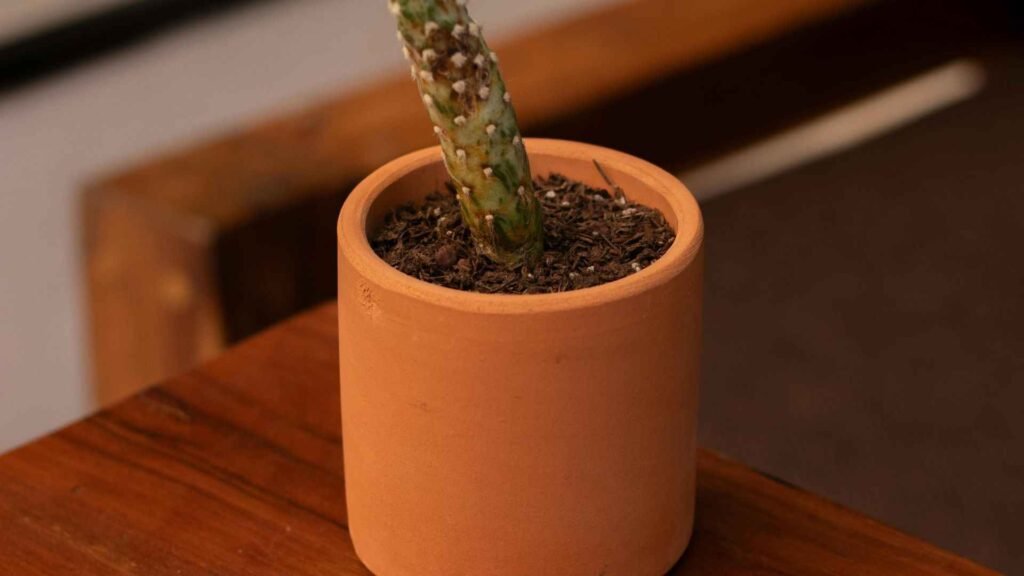
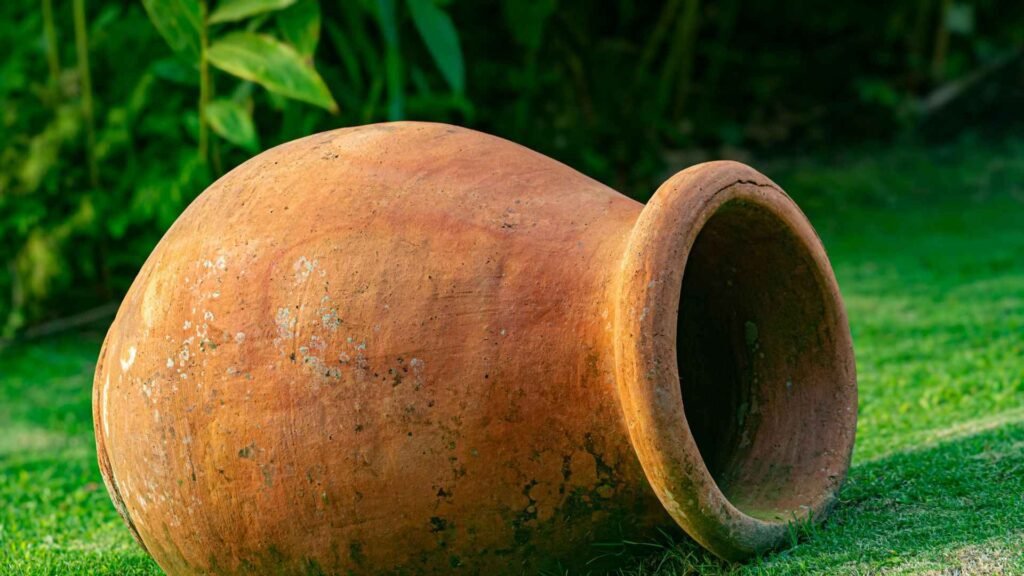
Terracotta pots are made from natural clay and baked in a kiln.
They have that classic earthy, reddish-brown look — you’ve definitely seen them.
Key Features of Terracotta Pots
1. Porous Material
This is the MOST important feature.
Terracotta absorbs water from the soil.
👉 Yes — the pot itself drinks water.
This leads to:
• Faster drying soil
• Less water retention
• Reduced risk of overwatering
2. Breathable Structure
Air can move through the pot walls.
This improves:
• Root oxygen levels
• Soil health
• Microbial balance
👉 Healthier roots = healthier plants.
3. Natural Look
Let’s be honest…
Terracotta pots look aesthetic 😄
They give your indoor setup:
• Minimal vibe
• Organic feel
• Clean natural look
4. Heavier Build
Terracotta pots are heavier than plastic.
This means:
✔ More stability (plants don’t tip over easily)
❌ Harder to move
Why Pot Material Matters More Than You Think
Now let’s get to the core idea.
👉 Pots control water behavior.
And water is EVERYTHING for plants.
Plastic Pots = Water Stays Longer
Because plastic doesn’t absorb water:
• Soil stays wet longer
• Less frequent watering needed
• Higher risk of overwatering
Terracotta Pots = Water Dries Faster
Because clay absorbs water:
• Soil dries quickly
• Requires more watering
• Lower risk of root rot
The Beginner Mistake (Very Common)
Most beginners think:
👉 “More water = better plant growth”
But actually:
❌ Too much water = root rot
❌ Root rot = dead plant
This is why pot choice matters so much.
Root Health — The Hidden Factor
You can’t see roots, but they decide everything.
Healthy roots need:
• Oxygen
• Balanced moisture
• Good drainage
In Plastic Pots:
• Less airflow
• More moisture
• Risk of suffocation
In Terracotta Pots:
• Better airflow
• Controlled moisture
• Strong root development
Climate Also Affects Your Choice
Here’s something most beginners don’t know:
👉 Your local climate matters.
Since you’re likely in a warm region (like Pakistan):
Plastic Pots in Hot Climate:
• Hold heat
• Keep soil wet longer
• Can cause overheating
Terracotta Pots in Hot Climate:
• Stay cooler
• Allow evaporation
• Better for root safety
Indoor Conditions Matter Too
Inside your home:
• AC rooms → dry air
• Closed rooms → less airflow
• Low sunlight → slower evaporation
So:
👉 Plastic pots may stay wet TOO long indoors
👉 Terracotta helps balance moisture better
Plastic Pots — Detailed Pros, Cons, and Best Use Cases for Indoor Plants
Now that you understand the basics, let’s go deeper into plastic pots vs terracotta pots for indoor plants, starting with plastic pots.
Plastic pots are everywhere — but most beginners don’t fully understand how they affect plant health.
Let’s break it down properly 👇
Why Plastic Pots Are So Popular
Before we jump into pros and cons, let’s understand WHY plastic pots dominate the market.
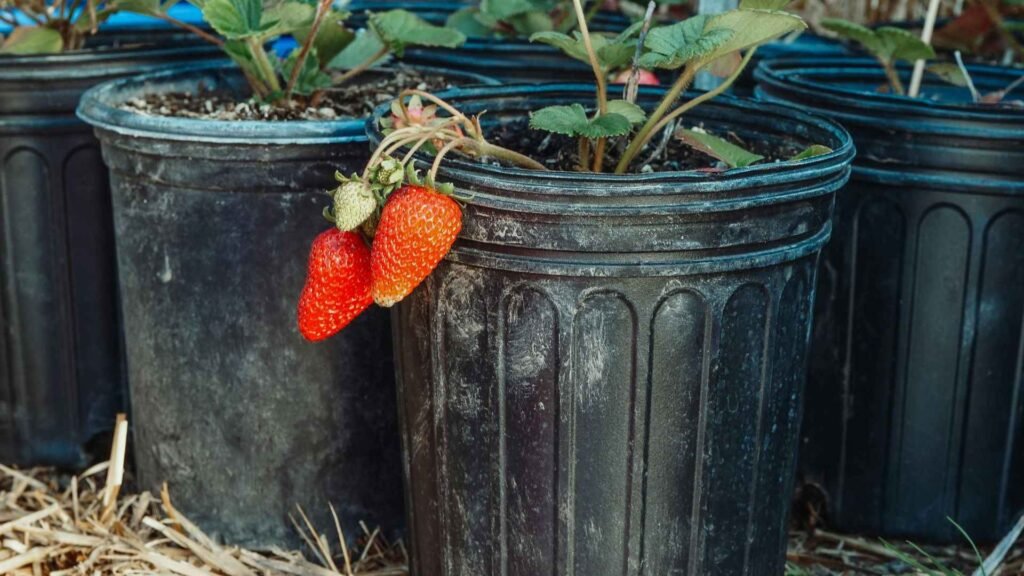
👉 90% of nursery plants come in plastic pots.
Why?
• Cheap to produce
• Easy to transport
• Lightweight
• Durable for short-term use
But here’s the catch:
👉 Nursery conditions ≠ home conditions
Plants in nurseries get:
• Perfect sunlight
• Controlled watering
• Proper airflow
At home, things are different — and that’s where problems start.
Advantages of Plastic Pots (Deep Breakdown)
1. Excellent Moisture Retention
This is the biggest advantage of plastic pots.
Since plastic is non-porous:
👉 Water stays inside the soil for longer periods.
Why This Matters
For beginners, this can be helpful because:
• You don’t need to water frequently
• Soil doesn’t dry out quickly
• Plants stay hydrated longer
Best Use Case
Plastic pots are PERFECT for:
• People who forget watering 😅
• Busy schedules
• Moisture-loving plants
Example
A peace lily in a plastic pot:
✔ Stays hydrated longer
✔ Requires less frequent watering
✔ Shows better leaf health
2. Lightweight and Easy to Handle
Plastic pots are extremely easy to move.
This is useful for:
• Rearranging your indoor setup
• Cleaning your room
• Moving plants for sunlight
Real-Life Scenario
Imagine you have:
• 10 indoor plants
If they’re in terracotta:
👉 Moving them = workout 😅
If they’re in plastic:
👉 Easy and quick
3. Budget-Friendly for Beginners
If you’re just starting your plant journey, budget matters.
Plastic pots are:
✔ Cheap
✔ Easily available
✔ Replaceable
Smart Strategy
Many beginners use:
👉 Plastic pots inside decorative outer pots
This is called:
✔ Double potting
It gives you:
• Function (plastic)
• Style (outer pot)
4. Variety and Innovation
Plastic pots come in MANY designs:
• Self-watering pots
• Hanging pots
• Vertical planters
• Smart drainage systems
Why This Is Useful
You can experiment with:
• Different setups
• Space-saving ideas
• Modern aesthetics
5. Durable (Short to Medium Term)
Plastic pots don’t break easily.
Compared to terracotta:
✔ No cracking if dropped
✔ Flexible material
✔ Good for transport
Disadvantages of Plastic Pots (Very Important)
Now comes the critical part — where most beginners fail.
1. High Risk of Overwatering (BIGGEST ISSUE)
Because plastic holds water:
👉 Soil stays wet for TOO long.
This leads to:
❌ Root rot
❌ Fungal growth
❌ Yellow leaves
❌ Plant death
Beginner Mistake
Most beginners think:
👉 “My plant looks dry, let me water it again”
But inside the soil:
👉 It’s STILL wet.
Plastic hides this problem.
Real Example
Snake plant in plastic pot:
• Watered once → soil stays wet for 7–10 days
• Watered again too soon → roots rot
2. Poor Airflow to Roots
Roots need oxygen.
But plastic pots:
❌ Block airflow
❌ Trap moisture
❌ Create compact soil
Why This Is Dangerous
Without oxygen:
👉 Roots suffocate
And suffocated roots:
👉 Stop absorbing nutrients
3. Temperature Retention Problems
Plastic reacts to temperature.
In hot environments:
• Plastic heats up
• Soil temperature rises
• Roots get stressed
In Your Climate (Important for You)
If you’re in a warm region:
👉 Plastic pots can overheat roots indoors near windows.
4. Salt and Mineral Build-Up
Since water doesn’t escape through the pot:
👉 Minerals stay trapped in soil.
Over time:
• Salt builds up
• Soil becomes unhealthy
• Plant growth slows
5. Environmental Concerns
Plastic is not eco-friendly.
Problems include:
• Non-biodegradable
• Adds to pollution
• Cheap plastics break quickly
Common Mistakes Beginners Make with Plastic Pots
Let’s fix these early 👇
Mistake 1: No Drainage Hole
This is deadly.
👉 Always choose pots with drainage holes.
No drainage = guaranteed root rot.
Mistake 2: Overwatering Schedule
Beginners water plants like:
• Every 2 days
• Every 3 days
This doesn’t work.
👉 Always check soil first.
Mistake 3: Wrong Plant Choice
Using plastic pots for:
❌ Succulents
❌ Snake plants
❌ Cactus
= disaster
Best Plants for Plastic Pots
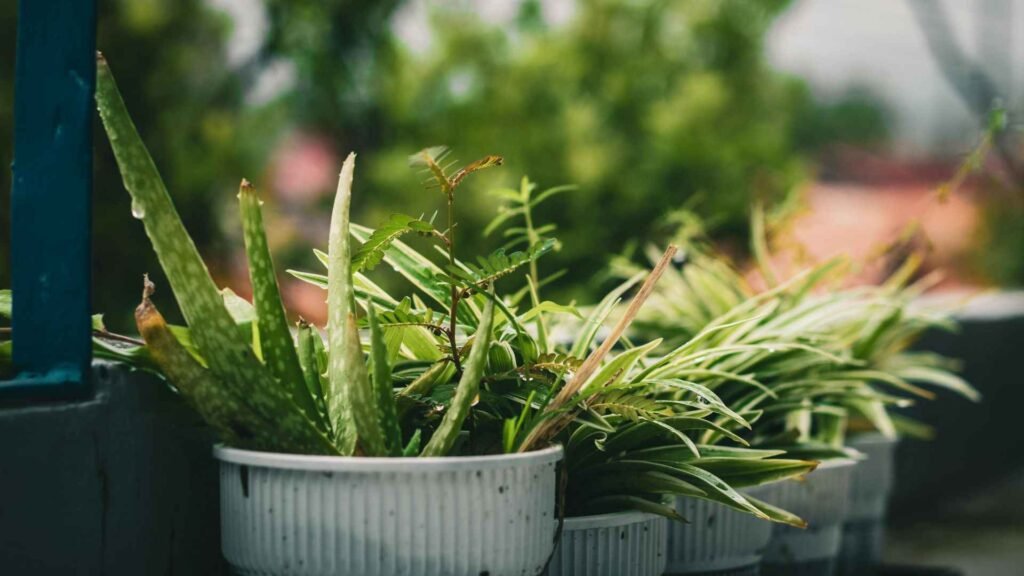
Plastic pots work best for plants that LOVE moisture.
Top Choices
• Pothos
• Peace lily
• Ferns
• Calathea
• Spider plant
Why These Work
These plants:
✔ Prefer consistently moist soil
✔ Don’t mind less airflow
✔ Thrive in humidity
Pro Tips for Using Plastic Pots (Expert Level)
Here are some smart tricks most beginners don’t know:
Tip 1: Use Well-Draining Soil
Mix:
• Soil + perlite + coco peat
This reduces water retention problems.
Tip 2: Use Finger Test
Before watering:
👉 Put finger 1–2 inches into soil
If wet → DON’T water
If dry → Water
Tip 3: Use Inner + Outer Pot Method
Plastic pot (inside)
Decorative pot (outside)
Benefits:
✔ Better drainage control
✔ Clean look
✔ Easy maintenance
Tip 4: Rotate Your Plants
Plastic pots can cause uneven moisture.
👉 Rotate plants weekly for balanced growth.
Terracotta Pots — Detailed Pros, Cons, and Best Use Cases for Indoor Plants
Now that we’ve covered plastic pots in depth, let’s explore the other side of the debate:
👉 Terracotta pots
When comparing plastic pots vs terracotta pots for indoor plants, many experienced plant owners actually prefer terracotta — and there are strong reasons for that.
But it’s not perfect either.
Let’s break it down clearly 👇
Why Terracotta Pots Are Loved by Plant Experts
Before plastic existed, this was the go-to option for growing plants.
And even today, experienced gardeners still choose terracotta — especially for indoor plants that are sensitive to overwatering.
The Secret Behind Terracotta Pots
The magic comes from one thing:
👉 Porosity (ability to absorb water)
Terracotta is made from natural clay, which means:
• It absorbs excess moisture
• It allows airflow
• It helps soil dry naturally
This creates a healthier environment for roots.
Advantages of Terracotta Pots (Deep Breakdown)
1. Prevents Overwatering (BIGGEST BENEFIT)
Why people move to terracotta.
Because the pot absorbs water:
👉 Soil dries faster
👉 Excess moisture escapes
👉 Roots stay safe
Why This Matters
Overwatering is the #1 killer of indoor plants.
Terracotta acts like a safety system.
Even if you water too much:
✔ The pot absorbs some water
✔ The soil dries quicker
Real-Life Example
A beginner waters a plant too much:
• In plastic → roots rot ❌
• In terracotta → plant survives ✔
2. Excellent Airflow for Roots
Roots don’t just need water — they need oxygen too.
Terracotta allows:
✔ Air to pass through the walls
✔ Better root breathing
✔ Stronger root systems
Why This Is Powerful
Healthy roots mean:
• Better nutrient absorption
• Faster growth
• Stronger plant structure
3. Reduces Risk of Fungal Problems
Too much moisture causes:
• Mold
• Fungus
• Root diseases
Terracotta helps prevent this by:
👉 Keeping soil drier and balanced
4. Keeps Soil Temperature Stable
Terracotta has natural insulation properties.
It helps:
• Prevent overheating
• Keep roots cool
• Maintain stable conditions
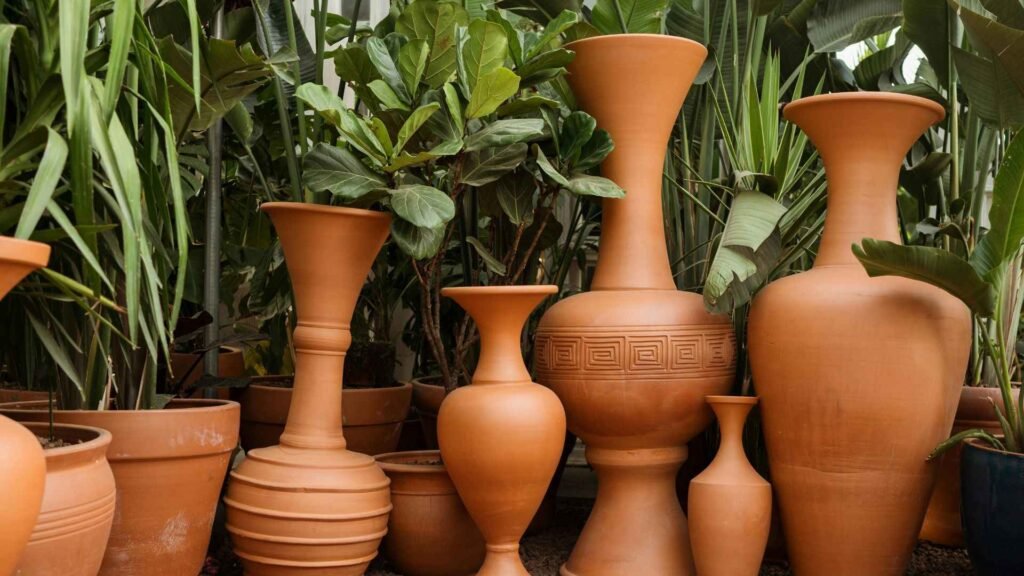
Especially Important for You (Climate Tip)
In warm regions:
👉 Terracotta is MUCH safer than plastic
Because plastic can heat up quickly.
5. Strong and Stable Base
Terracotta pots are heavier.
This means:
✔ Plants don’t tip over easily
✔ Good for tall plants
✔ More stability
6. Aesthetic and Natural Look
Let’s be honest again 😄
Terracotta pots look amazing.
They give your setup:
• Natural vibe
• Minimalist style
• Clean aesthetic
Disadvantages of Terracotta Pots (Important to Know)
1. Dries Out Too Quickly
This is the biggest downside.
Because the pot absorbs water:
👉 Soil dries faster than expected.
Why This Is a Problem
If you forget watering:
❌ Plant can dry out
❌ Leaves wilt
❌ Growth slows
Real Scenario
A fern in terracotta:
• Needs frequent watering
• Dries out quickly
• Struggles to survive
2. Requires More Frequent Watering
Compared to plastic:
• Plastic → water every 7–10 days
• Terracotta → water every 3–5 days
Not Ideal For:
• Busy people
• Travelers
• Forgetful beginners
3. Heavy and Fragile
Terracotta pots:
• Are heavier
• Can break easily if dropped
Real Problem
If you:
• Move plants often
• Have hanging setups
👉 Terracotta is not ideal.
4. Limited Design Variety
Most terracotta pots look similar.
You won’t find:
• Fancy colors
• Modern designs
• Smart systems
5. Mineral Stains (White Marks)
Over time, terracotta develops:
• White salt stains
• Water marks
This happens because:
👉 Minerals from water get absorbed and deposited.
Some people love the vintage look — others don’t.
Common Mistakes Beginners Make with Terracotta Pots
Let’s fix these early 👇
Mistake 1: Underwatering
People assume:
👉 “Terracotta prevents overwatering, so I don’t need to water much”
Wrong.
👉 You actually need to water MORE often.
Mistake 2: Using Terracotta for Moisture-Loving Plants
Using terracotta for:
❌ Ferns
❌ Calatheas
❌ Peace lilies
= constant drying problems
Mistake 3: Ignoring Soil Type
If you use fast-draining soil + terracotta:
👉 Soil dries TOO fast.
Balance is important.
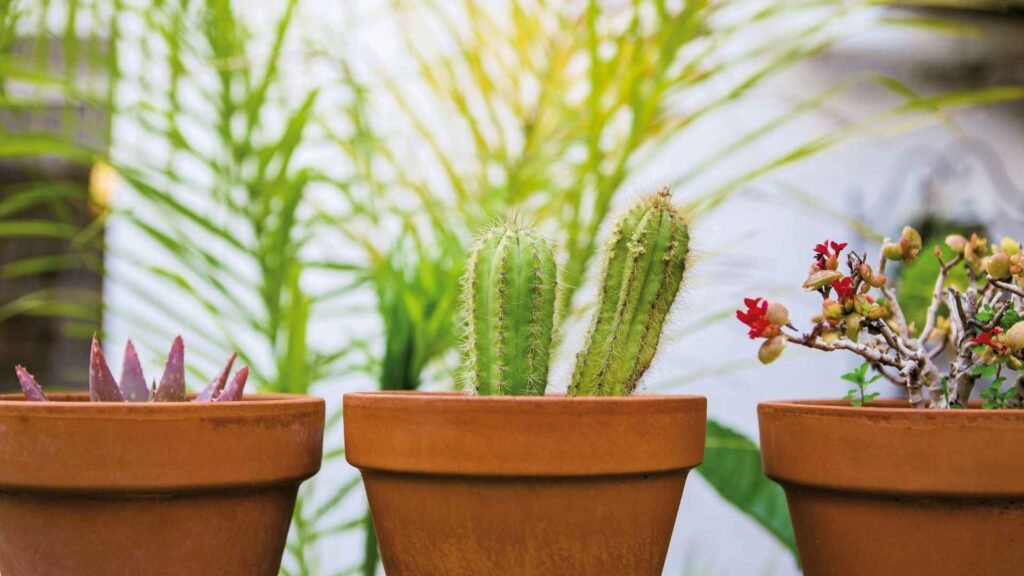
Best Plants for Terracotta Pots
Top Choices
• Snake plant
• ZZ plant
• Succulents
• Cactus
• Aloe vera
These plants:
✔ Hate overwatering
✔ Prefer dry soil
✔ Need airflow
Terracotta gives them the perfect environment.
Pro Tips for Using Terracotta Pots (Expert Level)
Let’s make you smarter than 90% of beginners 😄
Tip 1: Soak the Pot Before First Use
New terracotta pots are VERY dry.
👉 Soak in water for a few hours before planting.
This prevents:
• Immediate water absorption
• Shock to plant roots
Tip 2: Adjust Watering Frequency
Check soil regularly.
👉 Don’t follow a fixed schedule.
Tip 3: Use Slightly Moisture-Retentive Soil
Mix:
• Soil + compost + coco peat
This balances fast drying.
Tip 4: Use Saucer or Tray
Terracotta leaks water.
👉 Always place a tray underneath.
Plastic Pots vs Terracotta Pots — Which One Should You Choose for Indoor Plants?
Now that you fully understand both options, it’s time to answer the most important question:
👉 Plastic pots vs terracotta pots for indoor plants — which one is actually better?
The honest answer is simple:
👉 There is no one “best” pot — it depends on your plant, your habits, and your environment.
But don’t worry, I’ll make this super clear for you.
Side-by-Side Comparison (Simple Understanding)
Let’s quickly compare both so you can see the difference clearly.
Plastic pots hold water for a longer time, while terracotta pots dry out quickly. Plastic pots are lightweight and easy to move, whereas terracotta pots are heavier and more stable. When it comes to airflow, plastic pots provide very little, but terracotta pots allow roots to breathe properly. Plastic pots are usually cheaper and come in many designs, while terracotta pots are more natural-looking but limited in style.
The biggest difference comes down to this:
👉 Plastic = more moisture
👉 Terracotta = more drainage
How to Choose the Right Pot (Beginner Decision Guide)
Instead of guessing, just follow these simple rules.
Choose Plastic Pots If:
✔ You forget to water your plants
✔ Your plants need constant moisture
✔ You want lightweight and easy-to-move pots
✔ You are on a budget
✔ Your indoor environment is dry (AC rooms)
Plastic pots make your life easier because they hold water longer. This means less effort and fewer watering mistakes if you tend to forget.
Choose Terracotta Pots If:
✔ You often overwater your plants
✔ You are growing succulents or cactus
✔ You want better airflow for roots
✔ You live in a warm climate
✔ You want to prevent root rot
Terracotta acts like a natural protection system against overwatering, which is perfect for beginners who water too much.
The Smart Strategy (What Experts Actually Do)
Here’s something most beginners don’t realize:
👉 Experienced plant owners don’t choose one — they use both.
They match the pot type to the plant.
For example:
• Snake plant → terracotta
• Pothos → plastic
• Succulents → terracotta
• Peace lily → plastic
This gives the best results.
The Golden Rule (Remember This)
You remember only one thing
👉 Match the pot to the plant’s watering needs
Simple formula:
• Dry-loving plant → terracotta
• Moisture-loving plant → plastic
This one rule will save you from 90% of beginner mistakes.
Real-Life Beginner Setup (Perfect Example)
Let’s say you have 4 indoor plants:
• Snake plant
• Pothos
• Peace lily
• Succulent
Best setup would be:
• Snake plant → terracotta
• Pothos → plastic
• Peace lily → plastic
• Succulent → terracotta
Now each plant gets exactly what it needs.
Bonus Tip: The Double Pot Method
This is a pro trick.
Use:
• Plastic pot (inside)
• Decorative pot (outside)
This gives you:
✔ Easy watering control
✔ Better drainage management
✔ Beautiful look
It’s one of the best setups for beginners.
Final Verdict
So, between plastic pots vs terracotta pots for indoor plants, which one wins?
👉 Neither — because both are useful in different situations.
But if we simplify:
• Plastic pots are better for convenience and moisture
• Terracotta pots are better for control and root health
Conclusion
Choosing between plastic pots vs terracotta pots for indoor plants is not about picking the “better” option — it’s about choosing the right tool for the right plant.
Plastic pots are perfect when you need:
• Moisture retention
• Low maintenance
• Budget-friendly options
Terracotta pots are perfect when you need:
• Better drainage
• Healthier roots
• Protection from overwatering
If you understand your plant’s needs and your own watering habits, you’ll never make the wrong choice again.
And once you get this right, buddy…
👉 Your plants won’t just survive — they’ll thrive 🌿🔥
FAQs
1. Are plastic pots or terracotta pots better for indoor plants?
Both plastic pots and terracotta pots are good for indoor plants, but it depends on the plant type. Plastic pots are better for moisture-loving plants, while terracotta pots are ideal for plants that prefer dry soil.
2. Do terracotta pots dry out soil faster than plastic pots?
Yes, terracotta pots dry out soil faster because they are porous and absorb water. This makes them a better choice for plants that do not like excess moisture.
3. Are plastic pots bad for indoor plants?
Plastic pots are not bad for indoor plants, but they can increase the risk of overwatering since they retain moisture longer. Proper watering and drainage are important when using plastic pots.
4. Which pots are best for beginners: plastic or terracotta?
Terracotta pots are often better for beginners who tend to overwater, while plastic pots are suitable for those who forget to water plants frequently.
5. Should indoor plant pots always have drainage holes?
Yes, indoor plant pots should always have drainage holes. Proper drainage prevents water from collecting at the bottom and reduces the risk of root rot.