
Liquid vs Granular Fertilizer
Healthy indoor plants require more than just water and sunlight. Plants also need nutrients to grow strong roots, produce vibrant leaves, and maintain overall health. These nutrients are typically provided through fertilizers.
When shopping for plant fertilizers, two common options appear: liquid fertilizer and granular fertilizer. Both types provide essential nutrients, but they work differently and are used in different ways.
Many indoor gardeners wonder which fertilizer type is better for their plants. Should you choose fast-acting liquid fertilizer, or is slow-release granular fertilizer the better option?
The answer depends on several factors, including plant type, watering routine, and how quickly plants need nutrients.
In this guide, we will compare liquid vs granular fertilizer in detail. You will learn how each fertilizer works, their advantages and disadvantages, when to use them, and which option works best for indoor plants.
By understanding the differences between these two fertilizer types, you can provide your plants with the nutrients they need for healthy and consistent growth.
What Is Liquid Fertilizer?
Liquid fertilizer is a plant nutrient solution that is dissolved in water before being applied to plants. It usually comes in concentrated form and must be diluted according to the instructions on the label.
Once mixed with water, the fertilizer can be applied directly to the soil or sprayed onto plant leaves in some cases.
Because liquid fertilizer is already dissolved in water, plants can absorb the nutrients quickly. This makes liquid fertilizer one of the fastest ways to deliver nutrients to plants.
Many indoor gardeners prefer liquid fertilizers because they are easy to use and can quickly correct nutrient deficiencies.
Liquid fertilizers are commonly available in bottles or containers and often include a balanced mix of essential nutrients such as nitrogen, phosphorus, and potassium.
These nutrients support different aspects of plant growth:
- Nitrogen promotes leaf and stem growth.
- Phosphorus supports root development and flowering.
- Potassium strengthens plant health and disease resistance.
Because liquid fertilizers provide nutrients quickly, they are often used during active plant growth periods.
What Is Granular Fertilizer?
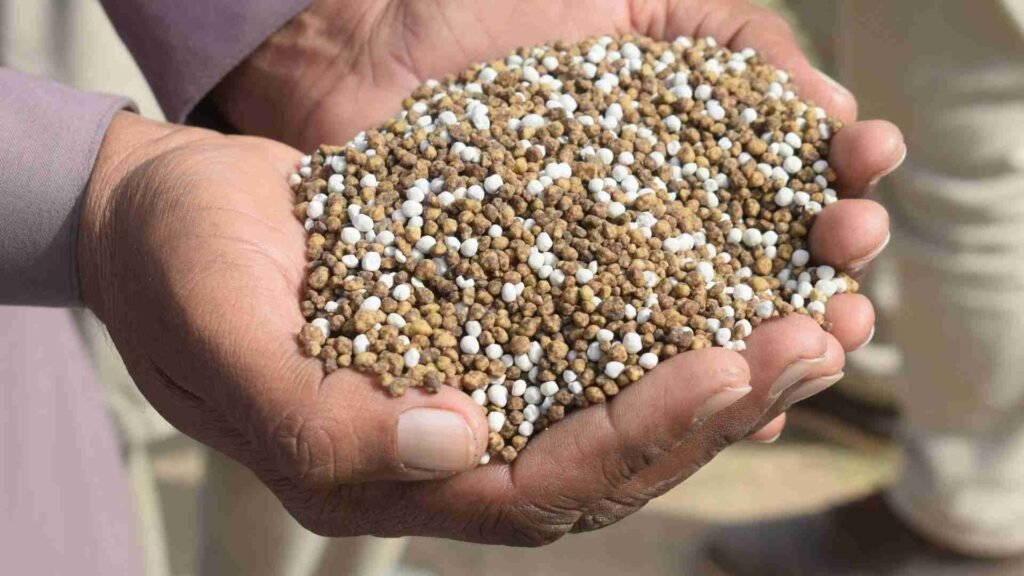
Granular fertilizer consists of small solid pellets or granules that contain concentrated plant nutrients. Instead of being mixed with water, these granules are spread on the soil surface or mixed into the soil.
When the plant is watered, the granules slowly dissolve and release nutrients into the soil.
Granular fertilizers are often described as slow-release fertilizers because nutrients become available gradually over time.
This slow release provides plants with a steady supply of nutrients for several weeks or even months.
Granular fertilizers are commonly used in both indoor and outdoor gardening because they require less frequent application compared to liquid fertilizers.
Some granular fertilizers are designed to release nutrients based on temperature and moisture levels, ensuring plants receive nutrients at the right time.
Because of their long-lasting effect, granular fertilizers are popular among gardeners who prefer low-maintenance plant care.
How Liquid Fertilizer Works
Liquid fertilizers work by delivering nutrients directly to plant roots through water. When the diluted solution is poured onto the soil, the nutrients immediately become available for plant absorption.
Plant roots absorb these nutrients along with water, allowing the plant to quickly use them for growth and development.
Some liquid fertilizers can also be applied directly to plant leaves through a method known as foliar feeding. In this process, plants absorb nutrients through their leaf surfaces.
Because liquid fertilizers are already dissolved, plants can absorb nutrients much faster compared to solid fertilizers.
This quick absorption makes liquid fertilizers useful when plants show signs of nutrient deficiency, such as yellow leaves or slow growth.
However, because liquid fertilizers work quickly, their effects do not last as long as slow-release fertilizers. This means plants may require more frequent applications.
How Granular Fertilizer Works
Granular fertilizers release nutrients gradually as the granules break down in the soil.
When water is added to the soil, the granules slowly dissolve and release nutrients into the surrounding soil. Plant roots then absorb these nutrients over time.
This slow-release process helps maintain consistent nutrient levels without requiring frequent fertilizer applications.
Because the nutrients are released gradually, granular fertilizers are less likely to cause sudden nutrient overload.
Many gardeners use granular fertilizers at the beginning of the growing season because they provide long-lasting nutrition.
However, because granular fertilizers take time to dissolve, they may not provide immediate results for plants that need nutrients quickly.
Liquid vs Granular Fertilizer: Key Differences
While both fertilizer types provide essential nutrients, they differ significantly in how they deliver those nutrients to plants.
The main differences include:
- Speed of nutrient absorption
- Frequency of application
- Ease of use
- Cost and long-term value
- Suitability for different plant types
Understanding these differences will help you choose the right fertilizer for your indoor plants.
Liquid vs Granular Fertilizer: Speed of Nutrient Absorption
One of the biggest differences between liquid and granular fertilizer is how quickly plants receive nutrients.
Liquid fertilizer works very fast because it is already dissolved in water. When applied to the soil, nutrients are immediately available for plant roots to absorb. This means plants can begin using the nutrients almost instantly.
Because of this fast absorption, liquid fertilizers are often used when plants show signs of nutrient deficiency. For example, if plant leaves turn yellow due to lack of nutrients, liquid fertilizer can provide a quick solution.
Granular fertilizer works much more slowly. Instead of dissolving instantly, the granules gradually break down in the soil over time. This slow-release process means nutrients are delivered gradually rather than immediately.
While granular fertilizer does not provide instant results, it has the advantage of feeding plants for a longer period. Some slow-release fertilizers can provide nutrients for several weeks or even months.
In simple terms:
- Liquid fertilizer = fast nutrient delivery
- Granular fertilizer = slow and steady nutrient release
Both methods can support healthy plant growth, but the best choice depends on your plant care routine and gardening goals.
Frequency of Application
Another major difference between these fertilizers is how often they need to be applied.
Liquid fertilizer usually requires frequent applications because its nutrients are quickly absorbed by plants and washed through the soil.
Most liquid fertilizers are applied every one to two weeks, depending on plant type and growth stage.
This frequent feeding allows plant owners to adjust nutrient levels more easily. However, it also means you must remember to fertilize regularly.
Granular fertilizer, on the other hand, typically requires less frequent application.
Because the nutrients are released slowly, a single application may feed plants for four to twelve weeks, depending on the product.
This makes granular fertilizer a convenient option for people who prefer low-maintenance plant care.
However, if plants suddenly need more nutrients, granular fertilizer cannot provide them as quickly as liquid fertilizer.
Ease of Application
Ease of use is another important factor when choosing between liquid and granular fertilizers.
Liquid fertilizer requires mixing with water before application. The solution must be diluted according to the instructions provided on the product label.
After mixing, the solution is applied to the soil using a watering can or spray bottle.
While this process is simple, it does require careful measurement to avoid using too much fertilizer.
Granular fertilizer is often easier to apply because it does not require mixing.
The granules are simply sprinkled on top of the soil or mixed into the soil surface. After that, watering the plant activates the fertilizer and begins the nutrient release process.
Because of its simple application method, many beginners find granular fertilizer easier to use.
However, uneven distribution of granules can sometimes cause certain areas of the soil to receive more nutrients than others.
Both fertilizer types are relatively easy to use, but granular fertilizers may require slightly less preparation.
Nutrient Control
Liquid fertilizers offer greater control over nutrient levels.
Because they are applied frequently and in smaller doses, gardeners can easily adjust the amount of fertilizer based on plant growth and seasonal changes.
For example, indoor plants may require more nutrients during spring and summer when growth is active. Liquid fertilizers allow gardeners to increase or decrease feeding easily during different seasons.
Granular fertilizers provide less flexibility because they release nutrients slowly over time.
Once applied, the granules continue releasing nutrients until they dissolve completely.
If too much granular fertilizer is added, it may be difficult to remove excess nutrients from the soil.
For gardeners who prefer precise control over plant nutrition, liquid fertilizers often provide a more flexible feeding system.
Risk of Overfertilization
Too much fertilizer can damage plant roots and cause symptoms such as:
- Burned leaf edges
- Yellow or brown leaves
- Slow plant growth
Liquid fertilizers can increase the risk of overfertilization if the solution is mixed too strongly.
Because the nutrients are immediately available, applying too much fertilizer at once can harm plant roots.
However, when diluted properly, liquid fertilizers are usually safe and effective.
Granular fertilizers can also cause overfertilization if too many granules are added to the soil.
Since these fertilizers release nutrients slowly, the effects may appear gradually rather than immediately.
Following the recommended dosage instructions is important for both fertilizer types.
Cost Comparison
Cost is another factor to consider when choosing fertilizer.
Liquid fertilizers are often sold in concentrated bottles that must be diluted with water. A single bottle can produce many fertilizer applications, making it relatively economical.
However, because liquid fertilizer is used frequently, the total cost may increase over time.
Granular fertilizers often come in larger bags or containers and last longer because they require less frequent application.
This can make granular fertilizer a cost-effective option for gardeners who have many plants.
In general:
- Liquid fertilizer may cost more over time due to frequent use.
- Granular fertilizer may be cheaper in the long term because it lasts longer.
However, the actual cost depends on the brand, product quality, and number of plants being fertilized.
Plant Growth Results
Both liquid and granular fertilizers can support healthy plant growth when used correctly.
Liquid fertilizers provide immediate nutrients that can quickly improve plant growth, especially during active growing seasons.
They are often used for fast-growing plants that require regular feeding.
Granular fertilizers support steady and consistent plant growth because nutrients are released gradually.
This slow-release method reduces nutrient fluctuations and provides plants with a stable supply of nutrients.
In many cases, gardeners use both fertilizer types depending on plant needs and growth stages.
Best Plants for Liquid Fertilizer
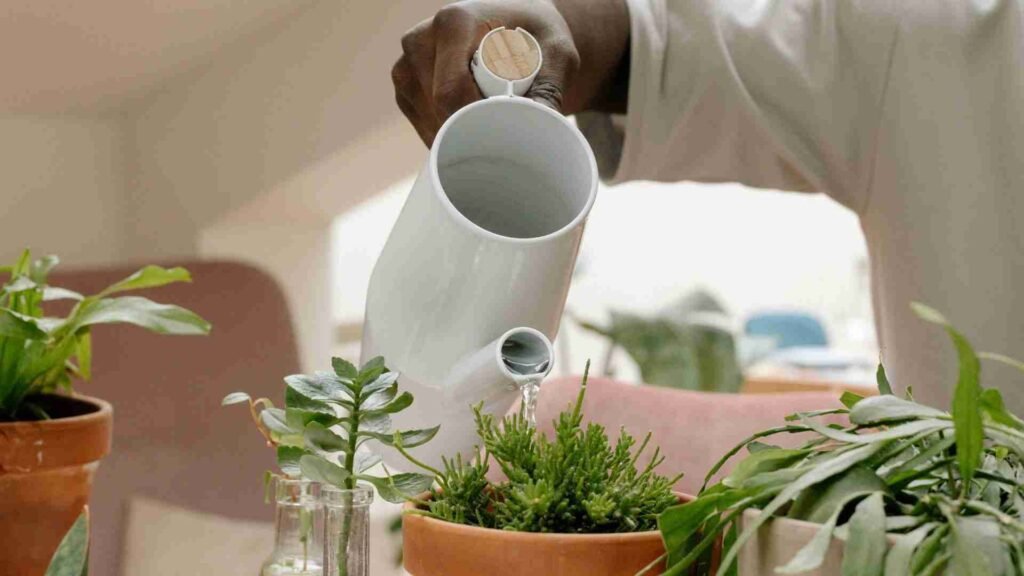
Liquid fertilizers are ideal for plants that require frequent feeding and quick nutrient absorption. Because these fertilizers deliver nutrients rapidly, they are especially helpful for plants that grow quickly or show signs of nutrient deficiency.
Many indoor plants benefit from liquid fertilizers during their active growing season, usually in spring and summer.
Some of the best plants for liquid fertilizer include:
Pothos
Pothos plants grow quickly and produce long trailing vines. Regular feeding with diluted liquid fertilizer can help maintain vibrant leaves and steady growth.
Peace Lily
Peace lilies benefit from consistent nutrients during their growing period. Liquid fertilizers help support healthy leaf growth and encourage blooming.
Spider Plant
Spider plants respond well to regular feeding. Liquid fertilizer provides quick nutrients that support strong growth and the production of baby plants.
Herbs
Indoor herbs such as basil, mint, and parsley often grow rapidly and benefit from regular feeding. Liquid fertilizer helps maintain healthy leaf production for cooking.
Flowering Houseplants
Plants that produce flowers, such as orchids and African violets, often require additional nutrients during blooming periods. Liquid fertilizers can provide the necessary nutrients quickly.
Because liquid fertilizers work rapidly, they are ideal for plants that need immediate nutrient support.
Best Plants for Granular Fertilizer
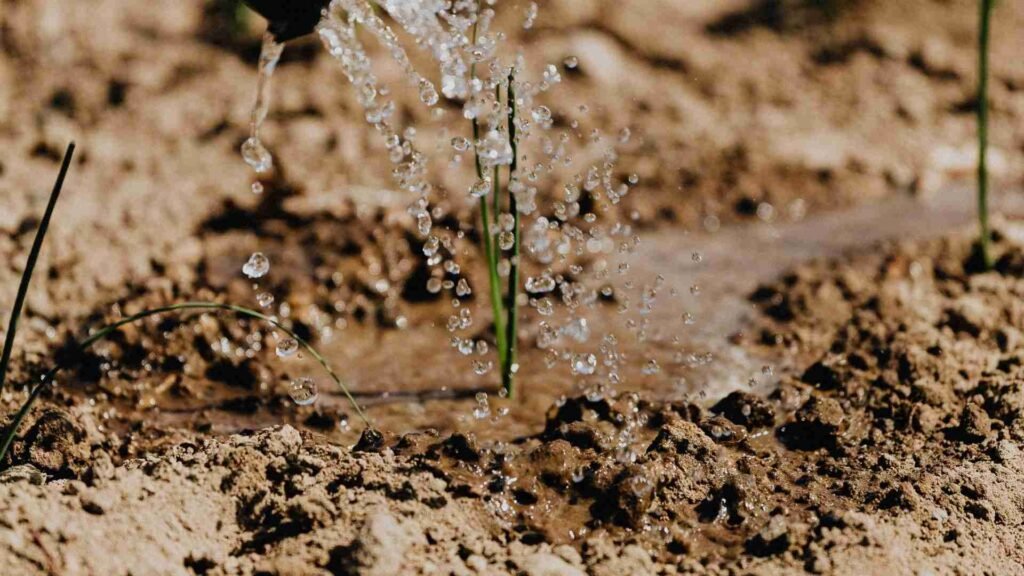
Granular fertilizers are better suited for plants that benefit from slow, steady feeding over time.
Since granular fertilizers release nutrients gradually, they help maintain consistent nutrient levels without frequent application.
This makes them particularly useful for low-maintenance plant care.
Plants that perform well with granular fertilizers include:
Snake Plant
Snake plants are slow-growing and do not require frequent feeding. A slow-release granular fertilizer provides steady nutrition without overfeeding.
ZZ Plant
ZZ plants thrive in low-maintenance environments. Granular fertilizer can supply nutrients for several weeks without requiring frequent application.
Succulents
Many succulents grow slowly and prefer minimal fertilization. A small amount of slow-release granular fertilizer can provide sufficient nutrients for long periods.
Cactus
Cactus plants require very little fertilizer. A light application of granular fertilizer during the growing season can support healthy growth.
Large Indoor Plants
Large indoor plants such as fiddle leaf figs or rubber plants can benefit from slow-release fertilizer that supports steady growth over time.
Granular fertilizers are ideal for plants that do not require frequent feeding.
When to Choose Liquid Fertilizer
Liquid fertilizers are often the best choice in certain situations.
You may want to choose liquid fertilizer if:
- Your plants show signs of nutrient deficiency
- You want fast nutrient absorption
- Your plants are in active growth stages
- You prefer precise control over feeding schedules
- You regularly water plants and can add fertilizer easily
Liquid fertilizers are also useful for indoor gardeners who like to monitor plant health closely and adjust feeding routines frequently.
Because nutrients are delivered quickly, liquid fertilizers can provide rapid improvements in plant growth.
When to Choose Granular Fertilizer
Granular fertilizers are better suited for gardeners who prefer simple and long-lasting feeding methods.
You may want to choose granular fertilizer if:
- You prefer low-maintenance plant care
- You have many plants to fertilize
- You want slow-release nutrients
- Your plants grow slowly
- You do not want to fertilize frequently
Granular fertilizers are often applied once every few weeks or months, making them convenient for busy plant owners.
They provide steady nutrients without requiring constant attention.
Tips for Using Fertilizer Safely
Regardless of whether you choose liquid or granular fertilizer, proper use is essential for plant health.
Follow Label Instructions
Always follow the fertilizer instructions provided by the manufacturer. Using too much fertilizer can harm plant roots.
Avoid Overfertilizing
Too much fertilizer can cause nutrient burn, which damages plant leaves and roots.
Fertilize During Active Growth
Most indoor plants benefit from fertilization during spring and summer when they are actively growing.
Reduce Feeding in Winter
Many plants enter a slower growth phase during winter and require less fertilizer.
Water Plants Before Fertilizing
Watering the soil before adding fertilizer can help prevent root damage and improve nutrient absorption.
Following these simple guidelines will help ensure plants receive the right amount of nutrients without causing harm.
Final Verdict: Liquid vs Granular Fertilizer
Both liquid and granular fertilizers can help indoor plants grow healthy and strong, but they serve different purposes.
Liquid fertilizer provides fast nutrient absorption and allows gardeners to adjust feeding schedules easily. It is ideal for plants that grow quickly or require immediate nutrients.
Granular fertilizer releases nutrients slowly over time, making it a convenient option for gardeners who prefer low-maintenance plant care.
Choosing between liquid and granular fertilizer depends on your plant types, gardening style, and how frequently you want to fertilize your plants.
Many indoor gardeners actually use both fertilizer types depending on the situation. Liquid fertilizers can be used for quick feeding, while granular fertilizers provide long-term nutrient support.
Understanding how each fertilizer works allows you to choose the best option for maintaining healthy indoor plants.
FAQs About Liquid vs Granular Fertilizer
Is liquid fertilizer better than granular fertilizer?
Liquid fertilizer provides nutrients quickly, while granular fertilizer releases nutrients slowly over time. The best choice depends on plant needs and feeding schedules.
How often should I use liquid fertilizer for indoor plants?
Most indoor plants can be fertilized with liquid fertilizer every one to two weeks during the growing season.
Is granular fertilizer good for indoor plants?
Yes, granular fertilizer works well for indoor plants because it provides slow-release nutrients that support long-term growth.
Can I use both liquid and granular fertilizer?
Yes, many gardeners use both types. Granular fertilizer provides steady nutrients, while liquid fertilizer can supply quick nutrients when needed.