
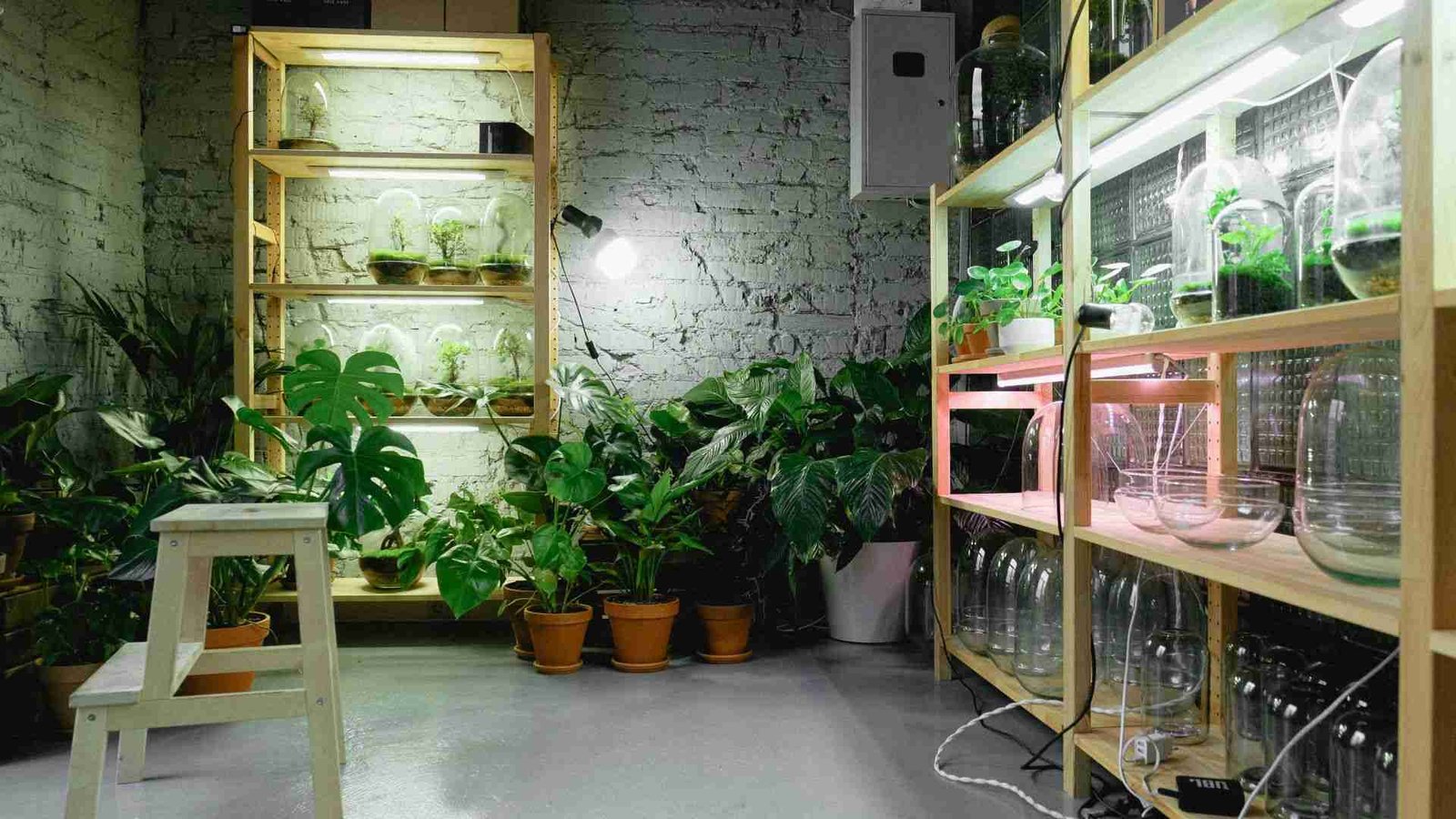
Indoor gardening has become incredibly popular, especially for people living in apartments or homes with limited sunlight. Whether you are growing herbs, decorative houseplants, or seedlings, proper lighting is essential. When natural sunlight is not enough, many indoor gardeners turn to grow lights.
Two of the most common options are LED grow lights and fluorescent grow lights. Both have been widely used for indoor plant care, but they work differently and provide different benefits.
If you are just starting your indoor gardening journey, choosing between LED and fluorescent grow lights can feel confusing. Which one is better for beginners? Which one saves more electricity? Which one helps plants grow faster?
In this guide, we will compare LED vs fluorescent grow lights in detail. You will learn how they work, their pros and cons, cost differences, energy efficiency, and which option is best for different types of indoor plants.
By the end of this article, you will clearly understand which lighting system suits your indoor garden.
Understanding Grow Lights for Indoor Plants
Grow lights are artificial light sources designed to help plants perform photosynthesis when natural sunlight is limited or unavailable.
Plants need light to convert carbon dioxide and water into energy. Without sufficient light, plants may become weak, leggy, or stop growing completely.
Grow lights replicate the spectrum of sunlight, giving plants the energy they need to grow indoors.
The most common types of grow lights include:
- LED grow lights
- Fluorescent grow lights
- High-pressure sodium lights
- Metal halide lights
For beginner indoor gardeners, LED and fluorescent lights are the most popular choices because they are affordable, safe, and easy to use.
Let’s explore how each of these lighting systems works.
What Are LED Grow Lights?
LED stands for Light Emitting Diode. LED grow lights use semiconductor technology to produce light efficiently with very little energy loss.
Unlike traditional lighting systems, LEDs can produce very specific wavelengths of light that plants need for growth.
Most modern LED grow lights provide full-spectrum lighting, which means they mimic natural sunlight and support all stages of plant growth.
LED grow lights are widely used today because they are energy efficient, long-lasting, and generate minimal heat.
Advantages of LED Grow Lights
Energy Efficiency
LED lights use significantly less electricity compared to traditional lighting systems. This makes them ideal for people who run grow lights for several hours daily.
Long Lifespan
A high-quality LED grow light can last between 25,000 and 50,000 hours, making them one of the most durable lighting options available.
Low Heat Production
LEDs generate very little heat, which means you can place them closer to plants without burning leaves.
Full Spectrum Options
Many modern LED grow lights simulate natural sunlight, supporting both vegetative growth and flowering stages.
Compact Design
LED lights are often lightweight and easy to install, making them perfect for small indoor gardens.
Disadvantages of LED Grow Lights
Higher Initial Cost
LED grow lights are usually more expensive upfront compared to fluorescent lights.
Quality Differences
Low-quality LED lights may not provide the correct spectrum or brightness, so choosing a reputable product is important.
What Are Fluorescent Grow Lights?
Fluorescent grow lights use gas-filled tubes that emit light when electricity passes through them. These lights have been used in indoor gardening for many years.
The two most common types of fluorescent grow lights are:
- T5 fluorescent lights
- Compact fluorescent lights (CFL)
Fluorescent lights are especially popular for seed starting, herbs, and small houseplants.
Advantages of Fluorescent Grow Lights
Affordable Cost
Fluorescent lights are generally cheaper to purchase than LED grow lights.
Good for Seedlings
They provide gentle light that works well for seedlings and young plants.
Simple Setup
Many fluorescent lighting systems are plug-and-play and easy for beginners to install.
Disadvantages of Fluorescent Grow Lights
Lower Energy Efficiency
Fluorescent lights consume more electricity than LEDs for the same amount of light output.
Shorter Lifespan
They typically last between 8,000 and 15,000 hours, which is much shorter than LED lights.
More Heat Production
While not extremely hot, fluorescent lights generate more heat than LED systems.
Limited Light Spectrum
Many fluorescent lights do not provide full-spectrum lighting, which can limit plant growth during certain stages.
LED vs Fluorescent Grow Lights: Key Differences
Now let’s compare LED and fluorescent grow lights across several important factors.
Energy Efficiency
They convert most of the electricity into usable light rather than heat. This means lower electricity bills over time.
Fluorescent lights consume more power for the same brightness, making them less efficient in long-term use.
Winner: LED Grow Lights
Lifespan
LED lights can last up to 50,000 hours, while fluorescent lights usually last around 10,000 hours.
This means LED lights require far fewer replacements.
Winner: LED Grow Lights
Heat Output
Excess heat can damage plants if lights are placed too close.
LED lights produce very little heat, making them safer for indoor gardening.
Fluorescent lights produce moderate heat and may require more spacing between the light and plants.
Winner: LED Grow Lights
Initial Cost
Fluorescent grow lights are usually cheaper when purchased initially.
LED lights cost more upfront, but their energy savings and longer lifespan often make them more cost-effective over time.
Winner: Fluorescent Grow Lights (short-term cost)
Light Quality
Modern LED lights often provide full-spectrum lighting, closely mimicking natural sunlight.
Fluorescent lights typically provide limited spectrum options unless specialized bulbs are used.
Winner: LED Grow Lights
Which Grow Light Is Better for Beginners?
For most beginners, LED grow lights are the better long-term choice.
Although they cost more initially, they provide several advantages:
- Lower electricity bills
- Longer lifespan
- Better light spectrum
- Less heat
- Easier plant care
However, fluorescent lights can still be a good option for small beginner setups, especially if you are growing seedlings or herbs.
Best Plants for LED Grow Lights
LED grow lights work well for a wide range of indoor plants.
Examples include:
- Snake plants
- Pothos
- Monstera
- Peace lilies
- Succulents
- Herbs like basil and mint
- Seedlings and vegetable plants
Because LED lights often provide full spectrum lighting, they support both vegetative growth and flowering stages.
Best Plants for Fluorescent Grow Lights
Fluorescent grow lights are ideal for plants that require low to moderate light levels.
Examples include:
- Seedlings
- Herbs
- African violets
- Lettuce
- Small houseplants
They are especially useful for starting plants before moving them outdoors.
Cost Comparison: LED vs Fluorescent
Let’s look at the long-term cost difference.
LED Grow Lights
- Higher upfront cost
- Lower electricity consumption
- Longer lifespan
- Fewer replacements
Fluorescent Grow Lights
- Lower upfront cost
- Higher electricity usage
- Shorter lifespan
- More frequent bulb replacements
In most cases, LED lights become cheaper over time despite the higher initial investment.
Placement and Distance from Plants
Proper light distance is essential for plant health.
LED Lights
Most LED grow lights should be placed:
- 12–24 inches above plants
Because they produce less heat, they can safely sit closer to plant leaves.
Fluorescent Lights
Fluorescent lights should typically be placed:
- 6–12 inches above plants
They need to stay closer because their light intensity is lower.
How Long Should Grow Lights Stay On?
Most indoor plants need 12–16 hours of light per day.
Plants also require a dark period to rest, so avoid leaving lights on for 24 hours continuously.
When to Choose LED Grow Lights
LED lights are ideal if you:
- Want long-term energy savings
- Grow multiple types of indoor plants
- Need full-spectrum lighting
- Want minimal heat
- Prefer low maintenance lighting
They are especially helpful for indoor gardeners planning to expand their plant collection.
When to Choose Fluorescent Grow Lights
Fluorescent lights may be better if you:
- Have a limited budget
- Grow only seedlings or herbs
- Need lighting for a small indoor setup
- Want a simple beginner solution
How to Choose the Right Grow Light for Your Indoor Plants
Choosing the right grow light is one of the most important decisions for successful indoor gardening. While both LED and fluorescent grow lights can help plants grow, selecting the right one depends on several factors such as plant type, available space, and your long-term gardening goals.
The first factor to consider is the type of plants you are growing. Some plants require more light than others. For example, herbs, vegetables, and flowering plants typically require brighter and stronger light sources.
In these cases, LED grow lights are often the better option because they provide higher light intensity and full-spectrum lighting that mimics natural sunlight. On the other hand, if you are growing seedlings or low-light houseplants, fluorescent lights may be sufficient. These lights provide softer illumination that is suitable for young plants that do not require intense light exposure.
Another important factor is the size of your indoor garden. If you only have a few small plants on a shelf or desk, a compact fluorescent grow light can work well. However, if you plan to grow multiple plants or create a dedicated indoor plant setup, LED grow lights are usually more efficient and scalable.
Energy consumption should also be considered when selecting grow lights. Grow lights often run for 12 to 16 hours per day, which means electricity costs can increase over time. LED grow lights consume much less energy compared to fluorescent lights, making them a better choice for long-term use.
Heat production is another important consideration. Excess heat from lighting systems can damage plant leaves or dry out the soil too quickly. LED grow lights produce very little heat, which allows them to be placed closer to plants without causing damage. Fluorescent lights produce slightly more heat, so they may need to be positioned further away from plant foliage.
Finally, think about long-term maintenance and durability. LED grow lights typically last much longer than fluorescent bulbs, which means fewer replacements and less maintenance. While fluorescent lights may cost less initially, replacing bulbs over time can increase the total cost.
For beginners who want a simple and reliable lighting solution, LED grow lights are usually the safest and most convenient option. They provide excellent plant support while remaining energy efficient and easy to maintain.
Tips for Setting Up Grow Lights for Healthy Indoor Plants
Once you choose the right grow light, proper setup is essential for helping your indoor plants thrive. Even the best grow lights will not deliver good results if they are placed incorrectly or used for the wrong amount of time.
The first step in setting up grow lights is choosing the correct distance between the light and the plants. If the light is too far away, plants may not receive enough energy for proper growth. If it is too close, leaves may become stressed or scorched.
LED grow lights are usually placed 12 to 24 inches above plants, depending on the light intensity and plant type. Fluorescent lights should typically be positioned closer, usually around 6 to 12 inches above the plants, because they produce lower light intensity.
Another important factor is light duration. Plants need a balance between light and darkness. Most indoor plants perform best when grow lights are used for 12 to 16 hours per day. Leaving grow lights on continuously can disrupt plant growth cycles and cause stress.
Using a timer is one of the easiest ways to maintain a consistent lighting schedule. Timers automatically turn lights on and off at specific times each day, ensuring plants receive a stable and predictable light cycle.
Proper light coverage is also important. If you are growing multiple plants, make sure that all plants receive equal light exposure. Sometimes plants on the edges receive less light, which can cause uneven growth. Adjusting the height or angle of the grow light can help distribute light more evenly across your indoor garden.
It is also helpful to rotate plants occasionally so that each side receives equal exposure to light. This prevents plants from leaning toward the light source and encourages balanced growth.
Monitoring plant health can also tell you whether your lighting setup is working correctly. If plants become leggy or stretched, it may indicate insufficient light. If leaves appear burned or discolored, the light may be too strong or too close.
By adjusting light distance, duration, and coverage, you can create an environment where indoor plants grow strong, healthy, and vibrant.
Final Verdict: LED vs Fluorescent Grow Lights
Both LED and fluorescent grow lights can support healthy indoor plants, but they serve slightly different purposes. Fluorescent lights remain a good choice for beginners who want an affordable and simple lighting solution for seedlings or small houseplants. However, LED grow lights offer several advantages that make them the better long-term investment for most indoor gardeners. They are more energy efficient, last much longer, produce less heat, and provide better light spectrum for plant growth. If you plan to grow plants indoors regularly, investing in a quality LED grow light is usually the best option.
FAQs About LED vs Fluorescent Grow Lights
Are LED grow lights better than fluorescent lights?
Yes, in most cases LED grow lights are better because they are more energy efficient, last longer, and provide better light spectrum for plant growth.
Can plants grow under fluorescent lights?
Yes, many plants can grow under fluorescent lights, especially seedlings, herbs, and small houseplants.
Do LED grow lights save electricity?
Yes. LED lights use significantly less electricity compared to fluorescent lighting systems.
Are fluorescent grow lights still used?
Yes, fluorescent lights are still used by gardeners for seed starting and small indoor plant setups.
Which grow light is best for beginners?
LED grow lights are generally the best choice for beginners because they are easy to use, long-lasting, and energy efficient.