
Introduction
Humidity is one of the most overlooked factors in indoor plant care, yet it plays a vital role in keeping plants healthy and thriving. While many gardeners focus on watering, lighting, and fertilizing, Ideal Humidity for Indoor Plants in the air can have just as much influence on plant growth. If the humidity is too low, leaves may develop brown edges, curl, or become crispy. If it’s too high, plants may become more susceptible to fungal diseases, mold, and pests.
Most indoor plants originate from environments where humidity levels are much higher than those found inside modern homes. Heating systems during winter and air conditioning during summer often reduce indoor humidity, creating conditions that can stress tropical houseplants.
Understanding the ideal humidity range for different plants helps you create a healthier indoor growing environment. Fortunately, maintaining proper humidity doesn’t require expensive equipment in every situation. Simple adjustments, such as grouping plants together or using a humidifier, can make a noticeable difference.
In this guide, you’ll learn the ideal humidity levels for common indoor plants, how humidity affects plant health, how to measure it, and practical ways to maintain the right moisture levels throughout the year.
Quick Answer
Most indoor plants grow best in humidity levels between 40% and 60%. Tropical houseplants often prefer 50% to 70% humidity, while succulents and cacti thrive in lower humidity, typically between 30% and 40%. Maintaining the appropriate humidity for your specific plants encourages healthier foliage, stronger growth, and fewer stress-related problems.
Quick Comparison
| Plant Type | Ideal Humidity |
|---|---|
| Tropical Plants | 60–70% |
| Common Houseplants | 40–60% |
| Orchids | 50–70% |
| Ferns | 60–80% |
| Succulents & Cacti | 30–40% |
Comparison Table
| Plant Category | Ideal Humidity | Difficulty |
|---|---|---|
| Tropical Plants | 60–70% | Moderate |
| Monstera | 50–70% | Easy |
| Philodendron | 50–70% | Easy |
| Pothos | 40–60% | Easy |
| Peace Lily | 50–60% | Easy |
| Spider Plant | 40–50% | Easy |
| Orchids | 50–70% | Moderate |
| Ferns | 60–80% | Moderate |
| Succulents | 30–40% | Easy |
| Cacti | 30–40% | Easy |
What Is Humidity?
Humidity refers to the amount of water vapor present in the air. For indoor gardeners, the most important measurement is relative humidity (RH), which represents the percentage of moisture in the air compared to the maximum amount the air can hold at a given temperature.
For example, if the relative humidity is 50%, the air contains about half of the moisture it could hold before becoming saturated.
Plants constantly exchange water with the surrounding air through tiny openings in their leaves called stomata. This process, known as transpiration, helps move water and nutrients throughout the plant. When the surrounding air is too dry, plants lose moisture more quickly than they can replace it. When the air is extremely humid, transpiration slows, which can also create growing problems.
Maintaining balanced humidity allows plants to regulate water loss naturally and remain healthy.
Why Humidity Matters for Indoor Plants
Humidity influences several important aspects of plant growth.
Supports Healthy Transpiration
Plants absorb water through their roots and release excess moisture through their leaves. Proper humidity keeps this process balanced, ensuring nutrients continue moving throughout the plant.
When humidity drops too low, water evaporates rapidly from the leaves. This can cause wilting, dry leaf tips, and slower growth.
Encourages Healthy Leaf Development
Many tropical plants evolved in humid rainforests where moisture levels remain consistently high. Providing similar conditions indoors helps produce larger, greener, and healthier leaves.
Low humidity often causes:
- Brown leaf tips
- Crispy leaf edges
- Curling leaves
- Premature leaf drop
Reduces Plant Stress
Consistent humidity helps plants adapt more easily to indoor conditions. Healthy plants are generally better able to withstand occasional watering mistakes, temperature fluctuations, and seasonal changes.
Improves Growth
Plants growing within their preferred humidity range often produce stronger stems, healthier foliage, and more vigorous overall growth.
While humidity alone won’t compensate for poor lighting or incorrect watering, it creates an environment where plants can perform at their best.
Ideal Humidity for Different Indoor Plants
Not every plant requires the same humidity level. Matching the humidity to your plant’s natural habitat leads to healthier growth.
Tropical Houseplants (60–70%)
Many popular indoor plants come from tropical forests where humidity remains high throughout the year.
Examples include:
- Monstera
- Philodendron
- Calathea
- Alocasia
- Anthurium
These plants develop lush foliage when humidity stays between 60% and 70%. Although many can tolerate lower levels for short periods, prolonged dry air may result in brown edges and slower growth.
Common Houseplants (40–60%)
Many beginner-friendly houseplants adapt well to average indoor humidity.
Examples include:
- Pothos
- Spider Plant
- ZZ Plant
- Chinese Evergreen
- Dracaena
These plants usually grow well within 40% to 60% humidity, making them excellent choices for most homes.
Orchids (50–70%)
Most orchids prefer moderate to high humidity combined with good air circulation.
When humidity falls too low, flower buds may dry out before opening, and aerial roots can become shriveled.
Maintaining humidity between 50% and 70% encourages healthier flowers and root development.
Ferns (60–80%)
Ferns are among the most humidity-loving houseplants. In their natural habitat, they grow on damp forest floors where the air remains consistently moist.
Common indoor ferns such as:
- Boston Fern
- Maidenhair Fern
- Bird’s Nest Fern
perform best when humidity stays between 60% and 80%.
When grown in dry indoor air, ferns often develop brown leaf edges, dry fronds, and slow growth. Using a humidifier or placing them in naturally humid rooms, such as bathrooms with adequate light, can help maintain healthy foliage.
Succulents and Cacti (30–40%)
Unlike tropical plants, succulents and cacti thrive in dry environments.
Examples include:
- Aloe Vera
- Jade Plant
- Echeveria
- Haworthia
- Barrel Cactus
These plants typically prefer humidity between 30% and 40%.
Excessive humidity slows soil drying and may increase the risk of root rot or fungal diseases, especially when combined with overwatering.
Seedlings (50–70%)
Young seedlings benefit from higher humidity because their root systems are still developing.
Maintaining humidity between 50% and 70% helps prevent excessive water loss while encouraging healthy root establishment.
Many gardeners use humidity domes during germination. Once seedlings produce their first true leaves, gradually lowering the humidity helps them adapt to normal growing conditions.
Signs of Low Humidity
Dry indoor air often causes visible changes in plant health.
Common symptoms include:
- Brown leaf tips
- Crispy leaf edges
- Curling leaves
- Wilting despite moist soil
- Slow growth
- Flower buds dropping before opening
- Dry aerial roots on tropical plants
- Increased susceptibility to spider mites
If several of these symptoms appear while watering and lighting are appropriate, low humidity may be the cause.
Signs of High Humidity
Although many houseplants appreciate humid conditions, excessive humidity can also create problems.
Common signs include:
- Mold growing on the soil surface
- Fungal diseases on leaves
- Soft or yellowing foliage
- Condensation on windows
- Persistent damp soil
- Poor air circulation
- Increased fungus gnat activity
Maintaining good airflow is just as important as maintaining proper humidity.
How to Measure Indoor Humidity
The easiest way to monitor humidity is with a digital hygrometer.
These inexpensive devices display:
- Relative humidity
- Room temperature
- Daily high and low readings (on many models)
Place the hygrometer near your plants but away from direct sunlight, heating vents, or air conditioners for the most accurate readings.
Checking humidity regularly helps you identify seasonal changes before they begin affecting your plants.
How to Increase Humidity
If your indoor air is too dry, several simple methods can help raise humidity around your plants.
Use a Humidifier
A room humidifier is one of the most effective ways to maintain consistent humidity.
It works particularly well for collections of tropical plants because it increases humidity throughout the growing area rather than around a single pot.
Group Plants Together
Plants naturally release moisture through transpiration.
Grouping several plants together creates a small microclimate with slightly higher humidity than the surrounding room.
Use Pebble Trays
Place a shallow tray filled with pebbles and water beneath plant pots.
As the water evaporates, it slightly increases humidity around the plants without leaving the roots sitting directly in water.
Place Plants in Naturally Humid Rooms
Bathrooms, laundry rooms, and kitchens often have higher humidity than other parts of the home.
If these rooms receive enough natural or artificial light, they can provide an ideal environment for humidity-loving plants.
How to Decrease Humidity
Some homes experience excessive humidity, especially during warm or rainy seasons.
To lower humidity:
- Improve air circulation with fans.
- Increase ventilation by opening windows when weather permits.
- Avoid overcrowding plants.
- Water only when necessary.
- Use a dehumidifier if humidity remains consistently above recommended levels.
Balancing humidity and airflow helps prevent fungal diseases while keeping plants healthy.
Common Mistakes
Many indoor gardeners unintentionally create humidity problems by following outdated advice or overlooking simple environmental factors.
Avoid these common mistakes:
- Assuming every houseplant needs high humidity.
- Placing tropical plants next to heating or air-conditioning vents.
- Relying solely on occasional misting.
- Ignoring seasonal humidity changes.
- Overwatering in an attempt to compensate for dry air.
- Failing to use a hygrometer to monitor humidity accurately.
Small adjustments to your growing environment often produce better results than frequent watering or additional fertilizer.
Frequently Asked Questions
What is the ideal humidity for most indoor plants?
Most indoor plants thrive in 40% to 60% relative humidity. This range provides enough moisture for healthy growth while minimizing the risk of fungal diseases and mold.
Is 30% humidity too low for houseplants?
For many tropical houseplants, yes. Humidity around 30% is considered too dry and may cause brown leaf tips, curling leaves, and slower growth. However, succulents and cacti generally tolerate this humidity level well.
Can humidity be too high for indoor plants?
Yes. Humidity above 70% for extended periods, especially in rooms with poor air circulation, can encourage fungal diseases, mold growth, and pest problems. Proper ventilation is important whenever humidity is high.
Do I need a humidifier for indoor plants?
Not always. If your home’s humidity naturally stays within your plants’ preferred range, a humidifier may not be necessary. However, during winter or in dry climates, a humidifier is often the most effective way to maintain consistent humidity for tropical plants.
Does misting increase humidity?
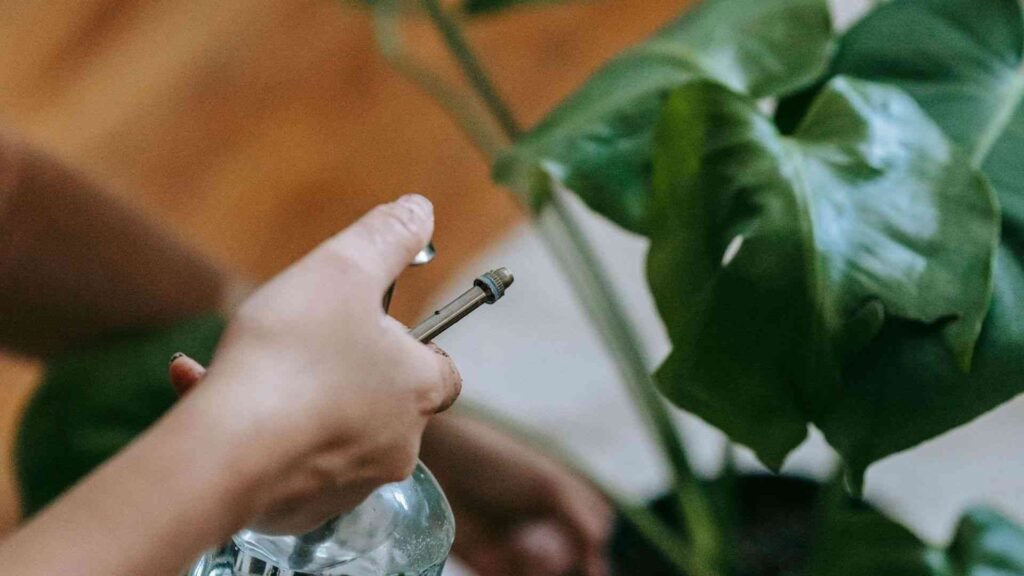
Misting provides only a brief increase in humidity around the leaves. The moisture usually evaporates within a few minutes, so it is not a reliable long-term solution. A humidifier, pebble tray, or grouping plants together offers more consistent results.
Which indoor plants need the highest humidity?
Plants that naturally grow in tropical rainforests usually require the highest humidity.
These include:
- Calathea
- Ferns
- Alocasia
- Anthurium
- Monstera
- Many orchids
Keeping humidity above 60% helps these plants develop healthier leaves and stronger growth.
Ideal Humidity Summary
The table below provides a quick reference for common indoor plant groups.
| Plant Type | Recommended Humidity |
|---|---|
| Tropical Houseplants | 60–70% |
| Common Houseplants | 40–60% |
| Orchids | 50–70% |
| Ferns | 60–80% |
| Seedlings | 50–70% |
| Succulents | 30–40% |
| Cacti | 30–40% |
Use these ranges as general guidelines. Individual species may have slightly different requirements, so always consider the specific needs of your plant.
Final Thoughts
Maintaining the ideal humidity for indoor plants is one of the easiest ways to improve their overall health and appearance. While watering and lighting receive most of the attention, humidity directly affects how efficiently plants absorb water, transport nutrients, and produce healthy foliage.
Most homes provide suitable humidity for common houseplants, but tropical species often benefit from additional moisture, especially during winter when indoor heating dries the air. On the other hand, succulents and cacti prefer much drier conditions and should not be exposed to excessive humidity.
The best approach is to monitor your indoor environment with a hygrometer and make gradual adjustments as needed. Using a humidifier, grouping plants together, improving air circulation, or relocating plants to more suitable rooms can make a significant difference without requiring major changes to your care routine.
By matching humidity levels to the needs of your plants, you’ll encourage stronger growth, greener leaves, healthier roots, and a more vibrant indoor garden throughout the year.