
Grow Lights vs Natural Sunlight for Indoor Plants
Indoor plants can transform a living space by adding color, improving air quality, and creating a calming natural atmosphere. However, growing healthy indoor plants often depends on one critical factor: light. Plants rely on light to perform photosynthesis, which is the process that allows them to convert light energy into food.
For indoor gardeners, the biggest challenge is ensuring that plants receive enough light to grow properly. Some homes receive plenty of sunlight through windows, while others may have limited natural light due to building orientation, weather conditions, or indoor layouts.
Because of this, many indoor gardeners use grow lights to supplement or replace natural sunlight. Grow lights are artificial lighting systems designed to provide plants with the wavelengths of light they need for photosynthesis.
This leads to a common question among beginner plant owners: Should you rely on natural sunlight, grow lights, or a combination of both?
Understanding the differences between grow lights vs sunlight can help you create the best environment for your indoor plants.
How Plants Use Light for Growth
Plants depend on light energy to grow and survive. Through photosynthesis, plants absorb carbon dioxide and water and convert them into sugars that fuel growth. Light is the key energy source that drives this process.
Sunlight naturally contains a full spectrum of light wavelengths, including red and blue light, which are particularly important for plant development.
- Blue light helps plants develop strong leaves and stems.
- Red light supports flowering and fruit production.
When plants do not receive enough light, their growth slows down. Leaves may turn pale, stems may become weak, and plants may struggle to produce new growth.
This is why lighting is one of the most important aspects of indoor plant care.
What Is Natural Sunlight for Indoor Plants?
Natural sunlight is the light produced by the sun that enters homes through windows, glass doors, or skylights. Sunlight provides the complete spectrum of light that plants need for photosynthesis.
Plants that grow outdoors receive direct sunlight throughout the day. However, indoor plants often receive less light because walls, curtains, and glass can block or filter sunlight.
The amount of sunlight indoor plants receive depends on several factors:
- Window direction
- Time of day
- Seasonal changes
- Weather conditions
For example, south-facing windows usually provide the strongest sunlight, while north-facing windows provide softer light.
Many common houseplants can grow well in natural sunlight when placed near bright windows.
Benefits of Natural Sunlight for Indoor Plants
Natural sunlight offers several advantages for indoor plant growth.
Free and Energy Efficient
One of the biggest benefits of sunlight is that it is completely free. Unlike artificial grow lights, sunlight does not require electricity or equipment.
This makes sunlight the most energy-efficient lighting source for plants.
Full Spectrum Light
Sunlight contains the full spectrum of light wavelengths that plants require. Because of this, plants growing in natural sunlight often develop strong leaves, healthy stems, and balanced growth.
Natural Growth Cycles
Sunlight naturally follows a daily cycle that includes both daylight and darkness. This natural rhythm supports plant growth and helps regulate plant biological processes.
Plants exposed to natural sunlight often grow in a way that closely mimics their natural outdoor environment.
Limitations of Sunlight Indoors
While sunlight is an excellent light source for plants, it is not always reliable indoors.
Many homes and apartments do not receive enough sunlight to support plant growth. Buildings, trees, and weather conditions can block sunlight from entering windows.
Seasonal changes can also affect the amount of sunlight available.
During winter months, daylight hours become shorter, and sunlight intensity decreases. This can cause indoor plants to receive less light than they need.
Another limitation is that sunlight cannot easily be controlled. If a window receives too much direct sunlight, plants may experience leaf burn. If a window receives too little sunlight, plants may struggle to grow.
Because of these limitations, many indoor gardeners use artificial lighting to supplement natural sunlight.
What Are Grow Lights?
Grow lights are artificial lights designed to support plant growth by producing the wavelengths plants need for photosynthesis.
Modern grow lights are specifically engineered to mimic the spectrum of natural sunlight. Many grow lights focus on the red and blue wavelengths that are most important for plant development.
Grow lights allow indoor gardeners to grow plants in locations where sunlight is limited or unavailable.
For example, grow lights can be used in:
- Apartments with limited window light
- Offices with no natural sunlight
- Indoor plant shelves
- Plant growing stations
Because grow lights provide consistent illumination, they can help plants grow even in environments where natural sunlight is weak.
How Grow Lights Work
Grow lights are artificial lighting systems designed to replicate the wavelengths of natural sunlight that plants need for photosynthesis. While sunlight naturally provides a full spectrum of light, grow lights are engineered to deliver specific wavelengths that support plant growth.
Plants mainly rely on red and blue light for photosynthesis. These wavelengths help plants produce energy and develop strong stems, leaves, and roots.
Modern grow lights are designed to produce these important wavelengths in a controlled and consistent way. Some grow lights even produce full-spectrum light, which closely mimics natural sunlight.
When a grow light is placed above plants, the light energy reaches the leaves and allows plants to perform photosynthesis just like they would under natural sunlight.
The main advantage of grow lights is that they provide consistent lighting conditions, regardless of weather or time of day.
Indoor gardeners can control:
- Light intensity
- Light distance
- Lighting duration
This level of control makes grow lights very useful for indoor plant setups.
Types of Grow Lights for Indoor Plants
There are several types of grow lights available, and each one works slightly differently.
Understanding the differences can help indoor gardeners choose the best lighting solution for their plants.
LED Grow Lights
LED grow lights are currently the most popular choice for indoor plants. These lights are energy efficient, long lasting, and produce minimal heat.
LED grow lights can provide full-spectrum lighting, which closely resembles natural sunlight.
Because they generate less heat than other lighting systems, LED lights can usually be placed closer to plants.
Many modern indoor gardening setups use LED grow lights because they provide strong illumination while using less electricity.
Fluorescent Grow Lights
Fluorescent lights are commonly used for seedlings, herbs, and small houseplants. These lights produce gentle illumination that supports plant growth without generating too much heat.
Fluorescent lights are often used in the form of T5 tubes or compact fluorescent bulbs (CFLs).
These lights are affordable and easy to install, making them a popular choice for beginner indoor gardeners.
However, fluorescent lights are not as powerful as LED grow lights, so they may not work well for plants that require very bright light.
High-Intensity Grow Lights (HID)
High-intensity grow lights include metal halide (MH) and high-pressure sodium (HPS) lighting systems. These lights produce extremely strong light and are commonly used for large indoor gardens.
While HID lights provide powerful illumination, they also produce significant heat and consume more electricity.
Because of this, they are less commonly used for small indoor plant setups.
Advantages of Using Grow Lights
Grow lights provide several benefits that make them an attractive option for indoor plant care.
Consistent Lighting
Unlike sunlight, which changes throughout the day, grow lights provide consistent illumination. Plants receive the same light intensity regardless of weather conditions.
This consistency helps support stable plant growth.
Controlled Lighting Environment
Grow lights allow indoor gardeners to control the amount of light plants receive. By adjusting light distance and duration, gardeners can create the ideal growing environment.
Ability to Grow Plants Anywhere
One of the biggest advantages of grow lights is that plants can grow even in rooms with little or no natural sunlight.
Grow lights allow indoor gardeners to create plant setups in areas such as:
- Bedrooms
- Offices
- Basements
- Shelves or plant stands
Improved Winter Plant Growth
During winter months, sunlight becomes weaker and daylight hours become shorter. Grow lights help compensate for this reduced sunlight and maintain healthy plant growth.
When Grow Lights Are Better Than Sunlight
Although sunlight is the natural light source for plants, there are situations where grow lights provide a better solution.
For example, homes with limited window exposure may not receive enough natural sunlight to support healthy plants.
Apartments that face north or are surrounded by tall buildings may receive very little direct sunlight.
In these situations, grow lights can provide the additional illumination plants need to grow.
Grow lights are also helpful for plant owners who want to grow plants in areas far from windows.
Indoor plant shelves, for example, often rely on grow lights to provide consistent illumination.
Another advantage of grow lights is that they allow gardeners to extend the amount of light plants receive each day. Even if plants receive some natural sunlight, grow lights can provide additional lighting during evening hours.
This combination of natural sunlight and artificial lighting can create the ideal growing environment for many indoor plants.
Grow Lights vs Sunlight: Key Differences
When deciding between grow lights vs sunlight for indoor plants, it is important to understand the key differences between these two light sources. Both options can support plant growth, but they work in different ways.
Natural sunlight is the most powerful and complete light source available to plants. It provides the full spectrum of light wavelengths and changes naturally throughout the day.
Grow lights, on the other hand, are artificial lighting systems designed to mimic sunlight and provide the specific wavelengths plants need for photosynthesis.
One of the biggest differences between grow lights and sunlight is control. Sunlight cannot be controlled easily because it depends on weather conditions, time of day, and window orientation.
Grow lights allow plant owners to control lighting conditions more precisely. Indoor gardeners can adjust light height, brightness, and duration to create the ideal environment for plant growth.
Another difference is consistency. Sunlight changes depending on the season and weather. Grow lights provide stable lighting conditions every day.
However, sunlight remains the most natural light source for plants and requires no electricity.
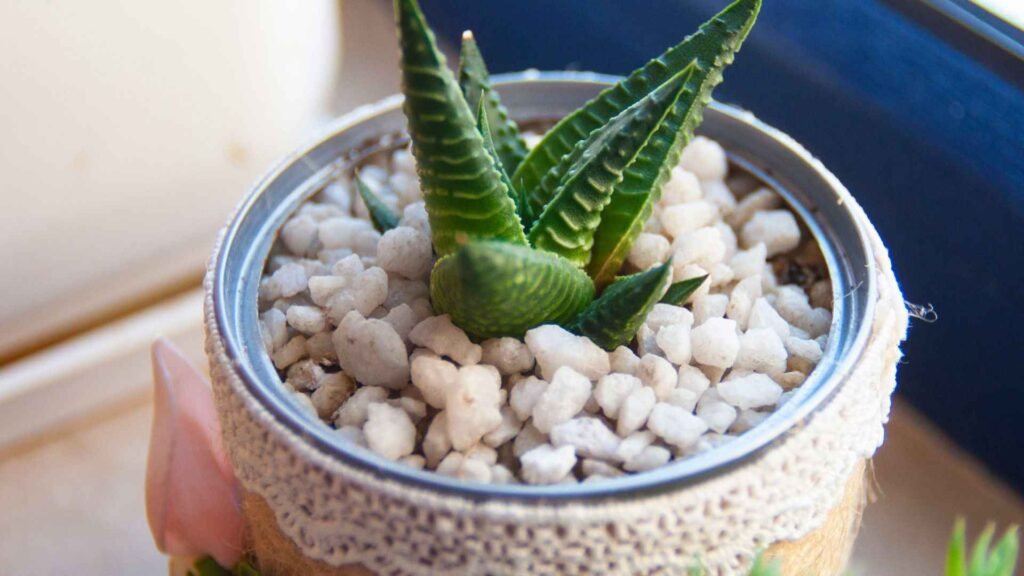
Comparison Table: Grow Lights vs Sunlight
The table below summarizes the main differences between grow lights vs sunlight for indoor plants.
| Feature | Grow Lights | Natural Sunlight |
|---|---|---|
| Light Control | Fully adjustable | Cannot be controlled |
| Energy Cost | Uses electricity | Free |
| Consistency | Very consistent | Changes with weather |
| Placement | Can be used anywhere | Requires windows |
| Spectrum | Designed for plant growth | Full natural spectrum |
This comparison helps indoor gardeners decide which lighting option works best for their plant setup.
Plants That Grow Well in Natural Sunlight
Many indoor plants grow very well in natural sunlight, especially when placed near bright windows.
Plants that prefer strong sunlight often originate from warm environments where they receive direct sunlight for several hours each day.
Examples of plants that thrive in natural sunlight include:
- Succulents
- Cactus
- Aloe vera
- Herbs like basil and rosemary
- Fiddle leaf fig
These plants often grow best when placed near south-facing or west-facing windows where sunlight is strongest.
When these plants receive enough natural sunlight, they can grow strong stems, thick leaves, and vibrant colors.
Plants That Benefit From Grow Lights
Some plants benefit greatly from grow lights, especially in homes with limited sunlight.
Plants placed far from windows or in rooms with weak natural light may struggle to grow without additional lighting.
Grow lights provide consistent illumination that helps these plants thrive.
Plants that often benefit from grow lights include:
- Pothos
- Philodendron
- Monstera
- Spider plants
- Indoor herbs
Grow lights are also very useful for plant shelves or indoor gardens where plants are arranged in layers.
In these setups, sunlight alone may not reach every plant, so grow lights help provide equal illumination.
When to Combine Grow Lights and Sunlight
In many indoor plant setups, the best solution is to combine both sunlight and grow lights.
Plants placed near windows may receive natural sunlight during the day but may need additional lighting during the evening.
Grow lights can be used to extend the total amount of light plants receive each day.
For example, plants might receive sunlight during the morning and afternoon and then receive supplemental lighting from grow lights later in the day.
This combination helps ensure plants receive the 12–16 hours of light that many indoor plants need for healthy growth.
Combining sunlight and grow lights is particularly useful during winter months when daylight hours are shorter.
Common Lighting Mistakes Beginners Make
Many beginner indoor gardeners make simple mistakes when managing plant lighting.
Understanding these mistakes can help you avoid problems and improve plant health.
Relying Only on Weak Window Light
Many homes receive indirect sunlight that may not be strong enough for plant growth. In these cases, grow lights may be necessary.
Placing Plants Too Far From Windows
Plants placed deep inside a room may receive very little sunlight. Moving plants closer to windows can improve their growth.
Using Grow Lights Incorrectly
Grow lights must be positioned at the correct distance from plants. Lights placed too far away may not provide enough illumination.
Leaving Grow Lights On Too Long
Plants require both light and darkness. Most plants grow best with about 12 to 16 hours of light per day.
Avoiding these common mistakes can significantly improve indoor plant growth.
Tips for Using Grow Lights Effectively
Grow lights can be a powerful tool for indoor plant care, but using them correctly is important for achieving the best results. Many beginner plant owners install grow lights but forget to adjust settings or positioning as plants grow.
Here are several practical tips that can help you use grow lights more effectively.
Choose the Right Grow Light Type
They are energy efficient, long-lasting, and produce less heat compared to other grow light types. For most indoor plant shelves or small plant collections, LED lights provide the perfect balance between brightness and energy consumption.
Place Grow Lights at the Correct Distance
Grow lights should be positioned at the proper distance from plants to provide enough illumination without causing leaf burn. For most indoor setups, LED grow lights work best when placed 12 to 24 inches above the plant canopy.
Adjust the light height as plants grow to maintain consistent lighting.
Use a Grow Light Timer
Consistency is important for plant health. Using a grow light timer allows lights to turn on and off automatically each day. Most indoor plants grow well with 12 to 16 hours of light per day, followed by a period of darkness.
Timers help maintain a stable lighting routine and prevent overexposure.
Ensure Even Light Coverage
When growing multiple plants under one light, ensure that all plants receive equal light exposure. If the grow light is too small, some plants may receive less light than others.
Using wider LED panels or multiple lights can help distribute light evenly.
Tips for Maximizing Natural Sunlight
If your home receives good sunlight, natural light can be an excellent resource for indoor plant growth. However, it is important to position plants correctly so they receive enough light.
Place Plants Near Bright Windows
The best locations for indoor plants are usually near windows that receive direct or bright indirect sunlight.
South-facing windows typically provide the strongest sunlight throughout the day, while east-facing windows provide gentle morning light.
Rotate Plants Regularly
Plants naturally grow toward the light source. Rotating plants every week helps ensure that all sides of the plant receive equal light exposure.
This prevents plants from growing unevenly or leaning toward the window.
Keep Windows Clean
Cleaning windows regularly allows more natural light to reach your plants.
Adjust Plant Position Seasonally
The position of the sun changes throughout the year. During winter months, sunlight may be weaker and shorter in duration.
Moving plants closer to windows during winter can help maintain healthy growth.
When Grow Lights Are the Better Choice
While sunlight is the most natural light source for plants, grow lights may be the better option in several situations.
Grow lights are especially useful when:
- Homes receive limited natural sunlight
- Plants are located far from windows
- Indoor plant shelves block sunlight
- Winter months reduce daylight hours
Grow lights provide a controlled lighting environment that ensures plants receive enough light regardless of external conditions.
When Sunlight Is the Best Option
Natural sunlight remains the best light source whenever it is available in sufficient amounts.
Sunlight provides the full spectrum of wavelengths that plants evolved to use for photosynthesis. Plants growing in natural sunlight often develop stronger stems and vibrant leaves.
If your home receives bright sunlight through large windows, you may not need grow lights for many houseplants.
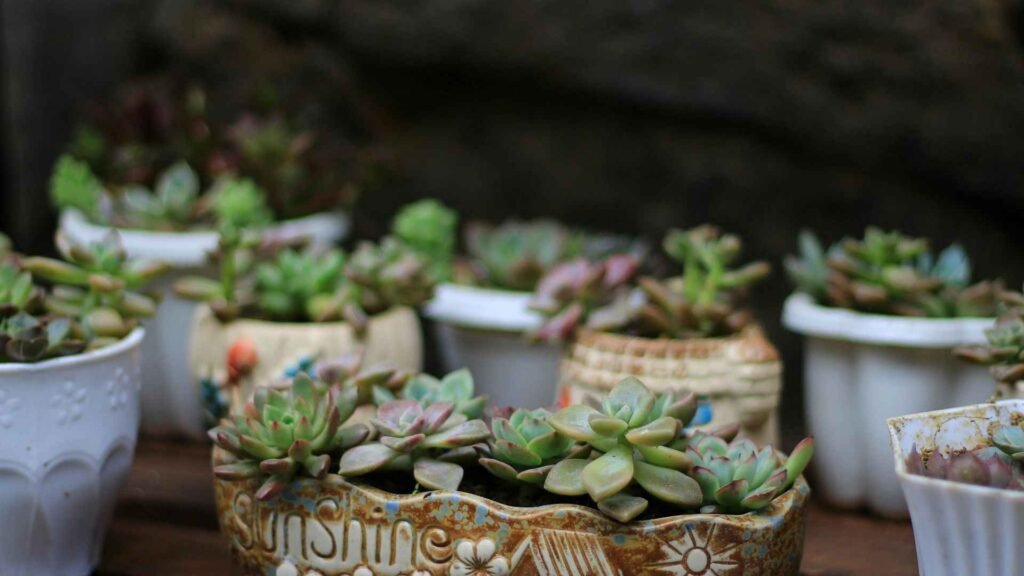
Plants such as succulents, cactus, and herbs often thrive when placed in sunny window locations.
In these situations, natural sunlight may provide all the lighting plants need.
Final Verdict: Grow Lights vs Sunlight
When comparing grow lights vs sunlight, both lighting options can successfully support indoor plant growth.
Sunlight is natural, free, and provides the full spectrum of light that plants need for photosynthesis. For homes with bright windows, natural sunlight can often provide excellent growing conditions.
Grow lights, however, offer flexibility and control. They allow indoor gardeners to grow plants in locations where sunlight is limited or unavailable.
Grow lights provide consistent lighting conditions that can support plant growth throughout the year.
In many cases, the best solution is to combine both lighting sources. Natural sunlight can provide daytime illumination, while grow lights can supplement lighting when sunlight is insufficient.
By understanding the strengths of both grow lights and natural sunlight, indoor gardeners can create the ideal lighting environment for their plants.
Frequently Asked Questions
Are grow lights better than sunlight for indoor plants?
Sunlight is the most natural light source for plants, but grow lights can provide consistent lighting when natural sunlight is limited.
Can grow lights completely replace sunlight?
Yes. Modern grow lights can fully replace sunlight if they provide the correct light spectrum and are used for the proper duration.
How many hours should grow lights stay on?
Most indoor plants grow best with 12 to 16 hours of light per day followed by a period of darkness.
Can I use grow lights and sunlight together?
Yes. Many indoor gardeners combine sunlight and grow lights to provide consistent lighting throughout the day.