
Do Indoor Plants Need Fertilizer? Understanding the Basics
Summary
Indoor plants do need fertilizer because the nutrients in potting soil run out over time. Without proper feeding, plants may grow slowly, develop yellow leaves, and become weak. Using the right fertilizer—especially a balanced liquid fertilizer—during the growing season helps plants stay healthy and grow faster. However, it’s important to avoid over-fertilizing, as too much can damage roots and harm the plant. By feeding your plants lightly and consistently, and adjusting based on their needs, you can ensure strong, vibrant indoor plant growth. 🌿
If you’re new to indoor gardening, you’ve probably asked yourself:
👉 Do indoor plants need fertilizer?
At first, it seems like plants should grow fine with just water and sunlight. After all, plants exist in nature without anyone feeding them fertilizer every week… right?
But here’s the truth, buddy:
👉 Indoor plants DO need fertilizer — and it’s more important than most beginners realize.
Why This Question Matters
Many beginners make one of two mistakes:
• They never fertilize → plants grow slowly or stop growing
• They over-fertilize → plants get damaged or die
So understanding fertilizer is not optional — it’s essential.
The Key Difference: Indoor vs Outdoor Plants
Let’s break this down simply.
Outdoor Plants
Plants growing outside:
• Get nutrients from natural soil
• Receive organic matter (leaves, compost, rain)
• Have large root space
👉 Nutrients are constantly replenished.
Indoor Plants
Indoor plants live in:
• Small pots
• Limited soil
• Controlled environments
👉 Once nutrients are used up… that’s it.
There’s no natural way to replace them.
What Is Fertilizer?
Fertilizer is basically plant food.
It provides essential nutrients that plants need to grow, such as:
• Nitrogen (N) → Leaf growth
• Phosphorus (P) → Root development
• Potassium (K) → Overall health
You’ll often see this written as:
👉 NPK ratio (like 10-10-10)
Why Soil Alone Is Not Enough
When you first buy a plant:
✔ The soil has nutrients
✔ The plant grows well
But over time:
• Nutrients get used up
• Water washes nutrients away
• Soil becomes “empty”
Real Example
You buy a pothos plant.
For the first 2–3 months:
✔ Healthy leaves
✔ Fast growth
After that:
• Growth slows
• Leaves get smaller
• Color fades
👉 This is a sign of nutrient deficiency.
Signs Your Indoor Plant Needs Fertilizer
Here are some easy signs to watch:
1. Slow or No Growth
Your plant stops growing during the growing season.
2. Yellowing Leaves
Leaves turn pale or yellow — especially older ones.
3. Small New Leaves
New leaves grow smaller than usual.
4. Weak Stems
Plant looks thin and fragile.
5. Dull Appearance
Leaves lose their vibrant color.
👉 These signs usually mean your plant is “hungry.”
Do All Indoor Plants Need Fertilizer?
Short answer:
👉 Yes — but not all plants need the same amount.
Low-Need Plants
Some plants need very little fertilizer:
• Snake plant
• ZZ plant
• Succulents
High-Need Plants
Some plants need regular feeding:
• Pothos
• Peace lily
• Monstera
• Ferns
When Do Indoor Plants Need Fertilizer?
Timing is very important.
Growing Season (IMPORTANT)
Most indoor plants grow actively during:
• Spring 🌱
• Summer ☀️
👉 This is when they need fertilizer.
Dormant Season
During:
• Winter ❄️
Plants slow down or stop growing.
👉 Fertilizing during this time can harm them.
Beginner Mistake (Very Common)
Many beginners think:
👉 “More fertilizer = faster growth”
But the reality:
❌ Too much fertilizer burns roots
❌ Causes salt buildup
❌ Can kill the plant
Simple Rule to Remember
👉 Feed your plants lightly, not heavily
It’s better to:
✔ Under-fertilize slightly
Than
❌ Over-fertilize
Indoor Plants vs Fertilizer — The Truth
Let’s clear the confusion once and for all:
👉 Indoor plants NEED fertilizer
👉 But they need the RIGHT amount at the RIGHT time
Types of Fertilizers for Indoor Plants (Which One Should You Choose?)
Now that you understand do indoor plants need fertilizer, the next big question is:
👉 Which fertilizer should you actually use?
Walk into any garden store and you’ll see tons of options. Liquid, granular, organic, slow-release… it gets confusing fast.
But don’t worry, buddy — I’ll break it down in the simplest way so you can choose the right one without wasting money.
The 3 Main Types of Fertilizers
There are three main types you need to know:
• Liquid fertilizer
• Granular fertilizer
• Slow-release fertilizer
Let’s understand each one.
1. Liquid Fertilizer (Best for Beginners)
Liquid fertilizer is the most popular option for indoor plants.
It comes in liquid form or as a concentrate that you mix with water.
How It Works
You mix it with water and apply it while watering your plant.
👉 The nutrients are absorbed quickly.
Advantages of Liquid Fertilizer
✔ Fast results
✔ Easy to use
✔ Good control over dosage
✔ Ideal for regular feeding
Why Beginners Love It
Liquid fertilizer is simple:
• Mix
• Water
• Done
No complicated steps.
Example Use Case
A pothos plant:
• Feed every 2–4 weeks
• Leaves become greener
• Growth becomes faster
Disadvantages
❌ Needs frequent application
❌ Easy to overuse if not careful
Best For
• Pothos
• Peace lily
• Monstera
• Ferns
👉 Plants that grow fast.
2. Granular Fertilizer (Slow but Strong)
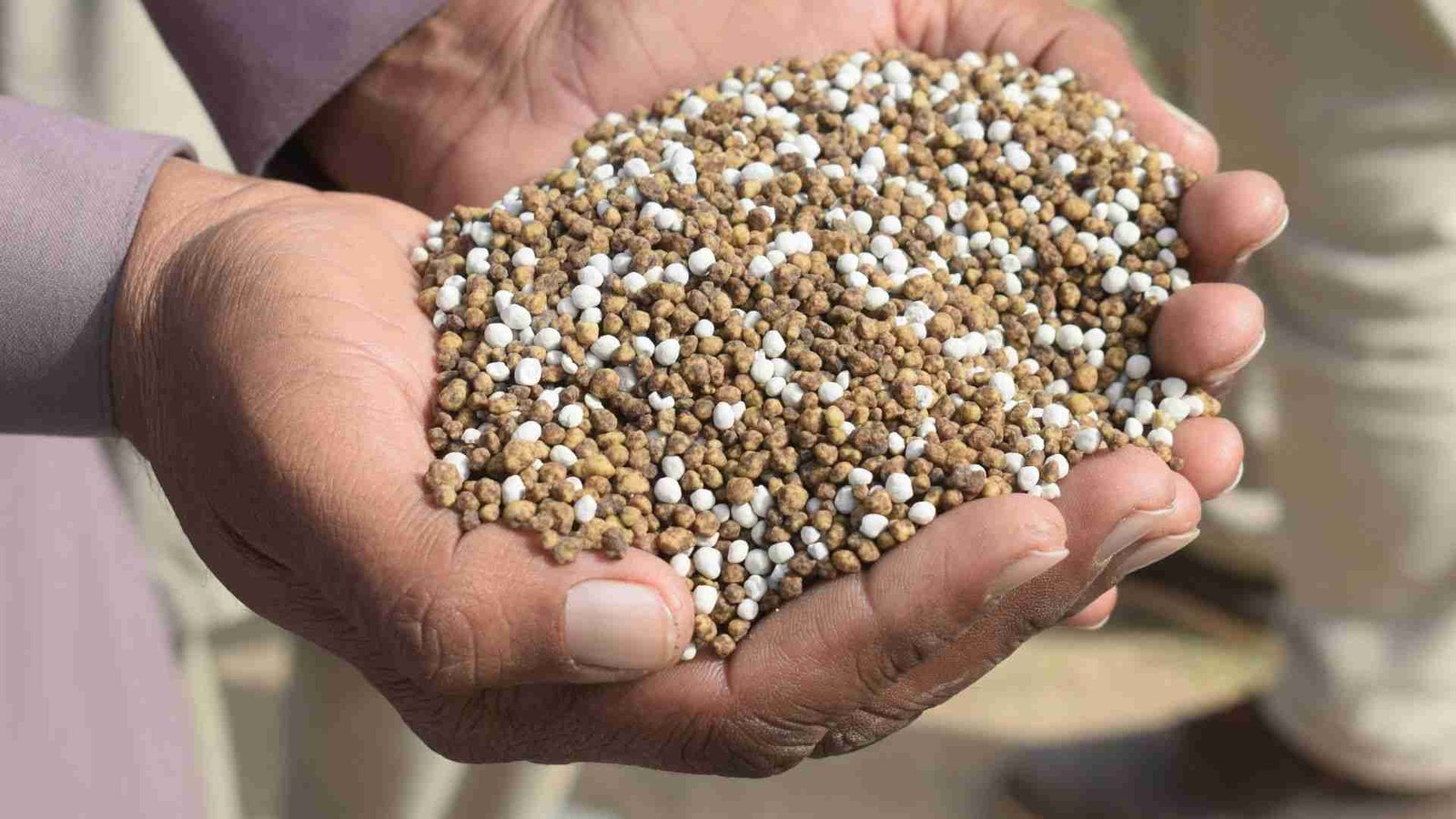
Granular fertilizer comes in small pellets or grains.
You add it to the soil and water the plant.
How It Works
When you water:
👉 Nutrients slowly dissolve into the soil.
Advantages
✔ Long-lasting
✔ Less frequent feeding
✔ Easy to apply
Disadvantages
❌ Hard to control dosage
❌ Can burn roots if overused
❌ Slower results
Beginner Tip
If you use granular fertilizer:
👉 Use LESS than recommended.
Best For
• Large plants
• Outdoor plants
• Experienced users
3. Slow-Release Fertilizer (Low Maintenance Option)
This is like a “set and forget” option.
Slow-release fertilizers come in coated pellets that release nutrients over time.
How It Works
Nutrients are released gradually over:
• Weeks
• Months
Advantages
✔ Very low maintenance
✔ No frequent feeding
✔ Consistent nutrient supply
Disadvantages
❌ Less control
❌ Can still cause buildup
❌ Not ideal for all plants
Best For
• Busy people
• Beginners who forget feeding
• Long-term care setups
Organic vs Synthetic Fertilizer
Now another important choice:
👉 Organic OR Synthetic?
Organic Fertilizer
Made from natural sources like:
• Compost
• Worm castings
• Plant-based materials
Pros
✔ Safe for plants
✔ Improves soil health
✔ Eco-friendly
Cons
❌ Slower results
❌ Mild nutrient levels
Synthetic Fertilizer
Made from chemical nutrients.
Pros
✔ Fast results
✔ Strong nutrient supply
✔ Easy to measure
Cons
❌ Risk of overfeeding
❌ Salt buildup
❌ Doesn’t improve soil
Which One Should YOU Choose?
Let’s make it simple, buddy 👇
Best Overall for Beginners
👉 Liquid fertilizer (balanced NPK)
Why?
• Easy to control
• Easy to apply
• Quick results
If You Want Low Maintenance
👉 Slow-release fertilizer
If You Want Natural Option
👉 Organic fertilizer
Understanding NPK Ratio (Important)
Every fertilizer has numbers like:
👉 10-10-10
👉 20-20-20
This represents:
• Nitrogen (N) → Leaves
• Phosphorus (P) → Roots
• Potassium (K) → Overall health
Beginner Rule
👉 Use balanced fertilizer (equal numbers)
Example:
✔ 10-10-10
✔ 20-20-20
Special Fertilizers (Advanced Tip)
Some fertilizers are made for specific plants:
• Succulent fertilizer
• Flowering plant fertilizer
• Foliage plant fertilizer
Do You Need These?
👉 Not really (as a beginner)
A balanced fertilizer works for most indoor plants.
Common Mistakes When Choosing Fertilizer
Let’s save you from problems 👇
Mistake 1: Buying Strong Fertilizer
Beginners often choose high-strength fertilizer.
👉 This can burn roots.
Mistake 2: Using Outdoor Fertilizer Indoors
Outdoor fertilizers are often too strong.
Mistake 3: Ignoring Instructions
Always follow:
👉 Label instructions (but slightly reduce dosage)
Pro Tips for Choosing the Right Fertilizer
Tip 1: Start Weak
👉 Use half-strength fertilizer at first.
Tip 2: Observe Your Plant
Watch for:
• Growth improvement
• Leaf color
• Overall health
Tip 3: Less Is More
👉 Light feeding is better than heavy feeding.
How and When to Fertilize Indoor Plants (Step-by-Step Guide)
Now that you know do indoor plants need fertilizer and which type to choose, the next step is:
👉 How to actually use fertilizer correctly
Because here’s the truth:
👉 Even the best fertilizer can damage your plant if used the wrong way.
So let’s make this super simple and practical.
When Should You Fertilize Indoor Plants?
Timing is everything.
1. Fertilize During the Growing Season
Indoor plants grow actively during:
• Spring 🌱
• Summer ☀️
👉 This is when they need nutrients the most.
Why This Matters
During the growing season:
• Plants produce new leaves
• Roots expand
• Growth is fast
👉 Fertilizer supports this growth.
2. Avoid Fertilizing in Winter
During winter:
• Growth slows down
• Plants go semi-dormant
👉 Fertilizing during this time can:
❌ Damage roots
❌ Cause nutrient buildup
❌ Stress the plant
Simple Rule
👉 Feed in growth season
👉 Rest in winter
How Often Should You Fertilize?
This depends on the type of fertilizer.
Liquid Fertilizer
👉 Every 2–4 weeks
Slow-Release Fertilizer
👉 Every 2–3 months
Organic Fertilizer
👉 Every 3–4 weeks
Beginner Rule (Important)
👉 Start with once a month
Then adjust based on plant response.
How Much Fertilizer Should You Use?
This is where most beginners go wrong.
Golden Rule
👉 Always use less than recommended
If label says:
• 1 cap → use half cap
• Full strength → use half strength
Why This Works
• Prevents root burn
• Avoids salt buildup
• Keeps plant safe
Step-by-Step: How to Fertilize Indoor Plants
Let’s make this super easy.
Step 1: Check the Soil First
Before fertilizing:
👉 Make sure soil is slightly moist
Why?
Fertilizing dry soil can:
❌ Burn roots
❌ Shock the plant
Step 2: Prepare Fertilizer Solution
If using liquid fertilizer:
• Mix with water
• Use half strength
Step 3: Apply Evenly
Water your plant like normal:
👉 Pour evenly around the soil
Step 4: Let Excess Water Drain
Always ensure:
✔ Proper drainage
✔ No water sitting at bottom
Step 5: Observe Your Plant
After fertilizing, watch for:
✔ New growth
✔ Greener leaves
✔ Stronger stems
Signs You’re Fertilizing Correctly
Your plant will show:
• Faster growth
• Bigger leaves
• Bright green color
• Healthy appearance
Signs of Over-Fertilizing (VERY IMPORTANT)
Too much fertilizer can harm your plant.
Watch for:
1. Brown Leaf Tips
Leaves start burning at edges.
2. White Crust on Soil
Salt buildup from excess fertilizer.
3. Wilting Despite Watering
Roots are damaged.
4. Slow Growth
Too many nutrients can block absorption.
What to Do If This Happens
👉 Flush the soil with clean water
This helps remove excess salts.
Signs of Under-Fertilizing
If you don’t fertilize enough:
• Pale leaves
• Slow growth
• Weak stems
• Small leaves
👉 This means your plant needs feeding.
Special Case: Newly Repotted Plants
Important tip:
👉 Don’t fertilize immediately after repotting.
Why?
Fresh soil already contains nutrients.
Wait:
👉 3–4 weeks before fertilizing
Special Case: Newly Bought Plants
When you buy a plant:
• It already has nutrients in soil
👉 Wait 2–4 weeks before fertilizing
Indoor Environment Tips
Indoor conditions affect fertilizing.
Low Light Conditions
If your plant gets low light:
👉 Reduce fertilizer
Because:
• Growth is slower
• Less nutrient demand
Bright Light Conditions
If your plant gets bright light:
👉 You can fertilize more regularly
Pro Tips (Expert Level)
Let’s level you up, buddy 😄
Tip 1: Use Weak but Frequent Feeding
Instead of strong feeding:
👉 Use weak fertilizer more often
Tip 2: Keep a Simple Schedule
Example:
• 1st of every month → fertilize
Tip 3: Combine with Good Watering
Fertilizer works best when:
✔ Watering is correct
✔ Soil drains well
Final Verdict — Do Indoor Plants Need Fertilizer and What’s the Best Strategy?
Now that you understand everything about do indoor plants need fertilizer, it’s time to bring it all together and make things crystal clear.
So let’s answer the main question one last time:
👉 Do indoor plants need fertilizer?
Yes — indoor plants absolutely need fertilizer.
But here’s the real answer that most beginners miss:
👉 They don’t just need fertilizer — they need the RIGHT fertilizer in the RIGHT way.
The Simple Truth About Indoor Plant Fertilizer
Indoor plants live in a controlled environment:
• Limited soil
• No natural nutrient cycle
• No rain to refresh nutrients
This means:
👉 Once nutrients are used up, your plant depends completely on YOU.
Without fertilizer:
• Growth slows down
• Leaves become dull
• Plants become weak over time
The Perfect Beginner Fertilizer Strategy
Instead of overthinking, follow this simple system.
Step 1: Choose the Right Fertilizer
Start with:
👉 Balanced liquid fertilizer (like 10-10-10 or 20-20-20)
Why?
• Easy to use
• Easy to control
• Works for most plants
Step 2: Use Half Strength
Never use full strength as a beginner.
👉 Always dilute fertilizer
This protects your plant from damage.
Step 3: Follow a Simple Schedule
Keep it easy:
👉 Fertilize once every 3–4 weeks during spring and summer
Step 4: Stop in Winter
Let your plant rest.
👉 No fertilizer during winter months
Step 5: Observe and Adjust
Your plant will tell you everything.
If you see:
• Healthy growth → continue
• Yellow leaves → adjust feeding
• Burn marks → reduce fertilizer
Beginner Mistakes to Avoid (Very Important)
Let’s save you from the most common problems.
Mistake 1: Over-Fertilizing
This is the #1 mistake.
👉 More fertilizer does NOT mean faster growth.
It leads to:
• Root burn
• Salt buildup
• Plant damage
Mistake 2: Fertilizing in Winter
Plants are resting.
👉 Feeding them during this time can harm them.
Mistake 3: Using Strong Fertilizer
Beginners often choose high-strength fertilizers.
👉 Always start light.
Mistake 4: Ignoring Plant Type
Different plants have different needs.
• Succulents → low fertilizer
• Leafy plants → moderate fertilizer
Mistake 5: Poor Watering + Fertilizer Combo
Fertilizer cannot fix bad watering.
👉 Good plant care always comes first.
Best Fertilizer Routine for Common Indoor Plants
Let’s make it practical.
Pothos
• Fertilize every 3–4 weeks
• Loves regular feeding
Snake Plant
• Fertilize lightly every 6–8 weeks
• Needs very little
Peace Lily
• Fertilize every 3–4 weeks
• Helps with flowering
Succulents
• Fertilize every 6–8 weeks
• Use very diluted fertilizer
Pro-Level Tip (What Experts Do)
Experienced plant owners follow this:
👉 “Weak but consistent feeding”
Instead of:
❌ Strong fertilizer occasionally
They use:
✔ Light fertilizer regularly
This keeps plants healthy without stress.
Final Comparison: Fertilizer vs No Fertilizer
Let’s make it clear.
Without Fertilizer
• Slow growth
• Weak leaves
• Nutrient deficiency
With Proper Fertilizer
• Faster growth
• Strong roots
• Healthy leaves
• Better overall plant health
Final Verdict
So buddy, here’s the final answer:
👉 Indoor plants DO need fertilizer to grow healthy and strong.
But success comes from balance.
Not too much.
Not too little.
Just the right amount at the right time.
Conclusion
Understanding do indoor plants need fertilizer is one of the biggest steps in becoming a successful indoor gardener.
Once you learn how to feed your plants properly:
• Growth becomes faster
• Leaves become greener
• Plants become stronger
And most importantly:
👉 You stop losing plants due to simple beginner mistakes.
Start simple and stay consistent.
And trust me, buddy…
👉 Your indoor garden will thrive 🌿🔥
FAQs
1. Do indoor plants really need fertilizer to grow?
Yes, indoor plants need fertilizer because the nutrients in potting soil get used up over time. Without fertilizer, plants may grow slowly and show signs of nutrient deficiency.
2. How often should I fertilize indoor plants?
Most indoor plants should be fertilized every 3–4 weeks during the growing season (spring and summer). In winter, fertilizing should be reduced or stopped.
3. What is the best fertilizer for indoor plants?
A balanced liquid fertilizer (such as 10-10-10 or 20-20-20) is best for beginners because it is easy to use and provides all essential nutrients.
4. Can I over-fertilize indoor plants?
Yes, over-fertilizing can harm indoor plants. It can cause root burn, yellow leaves, and salt buildup in the soil, which may damage or kill the plant.
5. Should I fertilize indoor plants right after repotting?
No, you should wait at least 3–4 weeks after repotting before fertilizing. Fresh potting soil already contains nutrients, so adding fertilizer too soon can harm the plant.