
Best Soil Mix for Indoor Plants (Beginner Guide)
Growing healthy indoor plants depends on several important factors such as watering, lighting, and fertilizing. However, one factor that many beginners overlook is soil quality. The type of soil you use can greatly affect how well your plants grow.
Choosing the best soil for indoor plants is essential because indoor plants grow in containers rather than natural ground soil. In pots and containers, plants rely entirely on the soil mix to provide nutrients, proper drainage, and oxygen for healthy root growth.
Using the wrong soil can lead to several problems such as root rot, poor drainage, or nutrient deficiencies. On the other hand, using the right soil mix helps plants develop strong roots, vibrant leaves, and steady growth.
In this beginner guide, we will explore what makes a good indoor plant soil mix, the common ingredients used in potting soil, and how to create the best soil mix for different types of indoor plants.
Why Soil Quality Matters for Indoor Plants
In nature, plants grow in complex soil ecosystems that contain organic matter, minerals, microorganisms, and natural drainage systems. These natural environments allow roots to grow freely and absorb the nutrients they need.
Indoor plants grow in containers, which creates a very different environment. In pots, the soil space is limited and water drainage depends entirely on the potting mix.
If the soil holds too much water, roots may suffocate and develop root rot. If the soil drains too quickly, plants may not retain enough moisture to survive.
This is why selecting the best soil for indoor plants is so important.
A good indoor plant soil mix should provide three main things:
- Proper drainage
- Adequate moisture retention
- Essential nutrients for plant growth
Balancing these three factors allows indoor plants to grow in a stable and healthy environment.
Why Garden Soil Is Not Ideal for Indoor Plants
One common mistake beginners make is using regular garden soil for indoor plants. While garden soil works well outdoors, it is usually not suitable for indoor containers.
Garden soil tends to be dense and compact when placed inside pots. This can restrict airflow around plant roots and prevent proper drainage.
Poor drainage can quickly lead to root rot, which is one of the most common causes of indoor plant death.
Another issue with garden soil is that it may contain pests, weed seeds, or harmful microorganisms. These unwanted elements can cause problems for indoor plants.
Instead of garden soil, indoor plants should be grown in potting soil or specialized potting mixes designed for container gardening.
Potting soil is specifically formulated to provide the right balance of drainage, aeration, and nutrient retention.
What Makes the Best Soil for Indoor Plants
The best soil mix for indoor plants is typically made from several ingredients that work together to support healthy root growth.
Each ingredient in the soil mix plays a specific role.
Drainage
Good soil must allow excess water to drain away from the roots. Without proper drainage, water can collect around the roots and cause rot.
Materials such as perlite and coarse sand are often added to soil mixes to improve drainage.
Moisture Retention
While drainage is important, soil must also retain enough moisture to keep plants hydrated.
Ingredients such as peat moss or coco coir help the soil retain water while still allowing air circulation.
Aeration
Plant roots require oxygen to survive. Soil that is too dense can block airflow and suffocate roots.
Nutrients
Plants require nutrients such as nitrogen, phosphorus, and potassium to grow. Organic materials like compost can provide essential nutrients that support plant health.
By combining these components, potting mixes create the ideal environment for indoor plants.
Common Ingredients in Indoor Plant Soil
Most high-quality potting mixes contain a combination of several ingredients. Understanding these ingredients can help you choose the best soil for indoor plants.
Potting Soil
Potting soil serves as the base of most indoor plant mixes. It typically contains organic matter that helps retain moisture and provide nutrients.
Perlite
Perlite is a lightweight volcanic material that improves soil drainage and aeration. It helps prevent soil from becoming compacted.
Coco Coir
Coco coir is made from coconut husks and is commonly used as a sustainable alternative to peat moss. It retains moisture while allowing good airflow around roots.
Vermiculite
Vermiculite helps retain moisture and nutrients in the soil. It is often used in seed-starting mixes.
Compost
Compost adds organic nutrients that support plant growth and improve soil fertility.
Each of these ingredients plays an important role in creating a balanced soil mix for indoor plants.
Best Soil Mix Recipe for Indoor Plants
Creating the best soil for indoor plants does not have to be complicated. In fact, many successful indoor gardeners use simple soil recipes made from just a few basic ingredients.
A well-balanced soil mix should provide good drainage while still retaining enough moisture for plant roots. It should also allow proper airflow so roots can breathe and grow freely.
One of the most reliable soil recipes for indoor plants includes the following ingredients:
- 50% high-quality potting soil
- 25% coco coir or peat moss
- 25% perlite
The potting soil provides the base and nutrients for plant development. Coco coir helps the soil retain moisture without becoming waterlogged. Perlite improves drainage and prevents soil from compacting around plant roots.
This simple mixture works well for many common indoor plants such as pothos, philodendron, spider plants, and monstera.
For beginners, starting with a simple soil mix like this is often the easiest way to ensure plants receive the right balance of moisture and drainage.
Soil Mix for Tropical Indoor Plants
Many popular houseplants come from tropical regions where the soil is loose, rich in organic matter, and well-draining.
Plants such as monstera, philodendron, pothos, and peace lilies thrive in soil that retains moisture while still allowing air to reach the roots.
A good soil mix for tropical indoor plants typically includes:
- 40% potting soil
- 30% coco coir or peat moss
- 20% perlite
- 10% orchid bark
The addition of orchid bark helps create a chunky soil structure that improves airflow and drainage.
This type of soil mix closely resembles the natural environment where many tropical plants grow. The roots remain moist but not overly wet, which helps prevent root rot.
Tropical plants often grow quickly and develop large leaves, so maintaining a healthy soil structure is especially important for long-term plant health.
Soil Mix for Succulents and Cactus
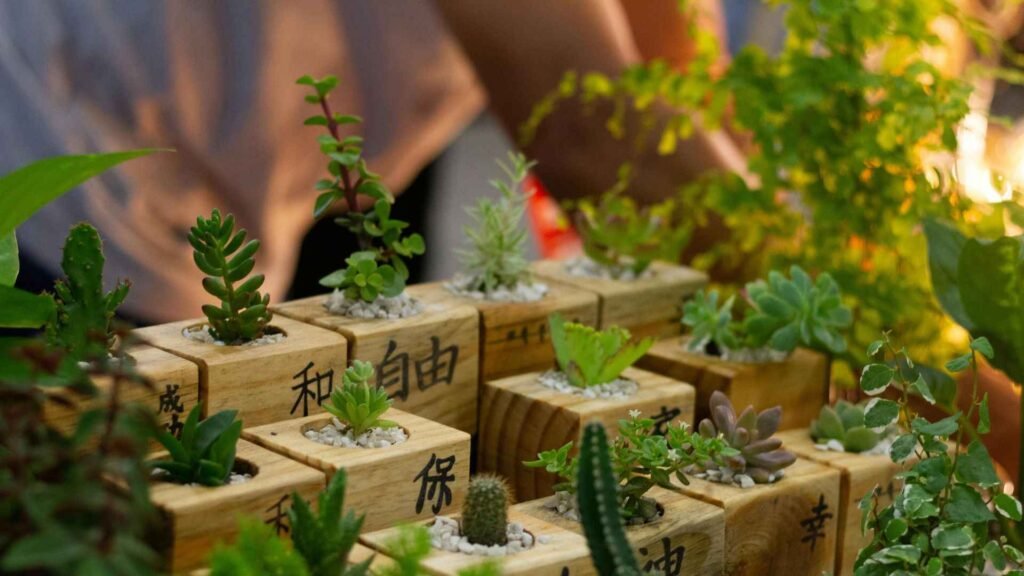
Succulents and cactus require a completely different soil mix compared to tropical houseplants. These plants originate from dry environments where soil drains very quickly.
Because of this, succulents require soil that dries out rapidly and does not hold excess moisture.
- 50% potting soil
- 30% coarse sand
- 20% perlite
This mixture creates a fast-draining soil that prevents water from collecting around the roots.
Succulent roots are sensitive to excess moisture, so proper drainage is critical for their survival.
Using regular potting soil without modifications can cause succulent roots to remain wet for too long, increasing the risk of root rot.
Adding sand and perlite improves drainage and helps replicate the dry soil conditions these plants naturally prefer.
Soil Mix for Indoor Herbs
Indoor herbs such as basil, mint, parsley, and cilantro require well-draining soil that also provides sufficient nutrients for continuous growth.
Herbs grow quickly and are often harvested regularly, which means they benefit from nutrient-rich soil.
A good soil mix for herbs includes:
- 60% potting soil
- 20% compost
- 20% perlite
Compost provides organic nutrients that support herb growth and improve soil fertility.
Perlite ensures proper drainage and prevents soil from becoming too compact.
This combination creates the ideal balance of nutrients, moisture retention, and drainage for herb plants.
With the right soil mix, herbs can grow vigorously and produce healthy leaves for cooking.
Store-Bought Potting Mix vs Homemade Soil Mix
Many indoor gardeners choose between buying pre-made potting mixes and creating their own soil mixtures.
Both options have advantages depending on your gardening experience and plant collection.
Store-Bought Potting Mix
Pre-made potting mixes are convenient and easy to use. These mixes are specially formulated for container gardening and often contain balanced ingredients.
Many beginner plant owners prefer store-bought potting soil because it saves time and requires no mixing.
However, some commercial potting mixes may contain fewer drainage materials, so gardeners sometimes add perlite or bark to improve soil structure.
Homemade Soil Mix
Making your own soil mix gives you complete control over soil composition. You can adjust the ingredients to match the needs of specific plants.
For example, tropical plants may require more moisture retention, while succulents require better drainage.
Creating custom soil mixes is often preferred by experienced indoor gardeners who want to optimize soil conditions for different plant types.
How to Choose the Best Soil for Your Plants
Choosing the best soil for indoor plants depends largely on the type of plants you are growing.
Before selecting a soil mix, consider the following questions:
- Does the plant prefer moist or dry soil?
- Does the plant grow in tropical or desert environments?
- Does the plant require rich organic nutrients?
Understanding your plant’s natural habitat can help you select the best soil composition.
Plants that grow in humid forests typically prefer moisture-retaining soil. Plants that grow in dry regions require soil that drains quickly.
By matching the soil mix to the plant’s natural environment, you can create the best conditions for healthy growth.
Why Proper Soil Drainage Is Important
One of the most important features of the best soil for indoor plants is proper drainage. Drainage refers to how easily water can move through the soil and leave the plant container.
Indoor plants grow in pots where water cannot escape as easily as it does in natural ground soil. If soil holds too much water, plant roots may remain constantly wet. This can lead to a common problem known as root rot.
Root rot occurs when plant roots sit in wet soil for long periods. Without oxygen, roots begin to decay and lose their ability to absorb nutrients.
Proper drainage prevents this problem by allowing excess water to flow away from the roots.
Soil ingredients such as perlite, coarse sand, and bark chips help improve drainage by creating small air pockets inside the soil.
These air pockets allow water to pass through the soil while still retaining enough moisture for plant growth.
Maintaining the right balance between moisture retention and drainage is essential for healthy indoor plants.
Why Root Aeration Matters
Plant roots require oxygen just as much as they require water and nutrients. In natural outdoor soil, earthworms, insects, and microorganisms create tiny tunnels that allow air to circulate through the soil.
In containers, soil can become compacted over time, reducing airflow around the roots.
When soil becomes compacted, plant roots may struggle to breathe properly. This can slow plant growth and weaken the plant over time.
This is why the best soil for indoor plants should always include ingredients that improve aeration.
Materials such as perlite, vermiculite, and orchid bark create space within the soil that allows oxygen to reach the roots.
Good aeration helps roots grow stronger and supports healthy plant development.
Signs Your Indoor Plant Soil Is Poor
Even if plants initially grow well, poor soil conditions can eventually cause problems. Recognizing the signs of poor soil can help you fix the issue before the plant becomes seriously damaged.
Here are some common signs that indoor plant soil may need improvement.
Water Stays on the Surface
If water sits on top of the soil for several minutes before soaking in, the soil may be too compacted. This prevents proper water absorption and root hydration.
Soil Drains Too Slowly
When soil remains wet for many days after watering, it may be holding too much moisture. This increases the risk of root rot.
Plants Grow Slowly
Poor soil may prevent plants from absorbing nutrients effectively. This can lead to slow growth or weak stems.
Yellow Leaves
Yellowing leaves can sometimes indicate that roots are struggling due to poor soil conditions.
If you notice these signs, improving the soil mix can often restore plant health.
How to Improve Indoor Plant Soil
Fortunately, improving indoor plant soil is usually simple. By adding a few key ingredients, you can quickly improve soil structure and drainage.
Here are several ways to upgrade your potting soil.
Add Perlite
Perlite improves soil drainage and prevents compaction. Adding a handful of perlite to potting soil can significantly improve aeration.
Mix in Coco Coir
Coco coir helps soil retain moisture while maintaining good airflow around roots.
Add Orchid Bark
Orchid bark is especially useful for tropical plants. It creates a chunky soil texture that improves drainage.
Use Compost
Compost adds organic nutrients that support plant growth and improve soil fertility.
Mixing these ingredients into your potting soil can help create the best soil for indoor plants.
Repotting With Fresh Soil
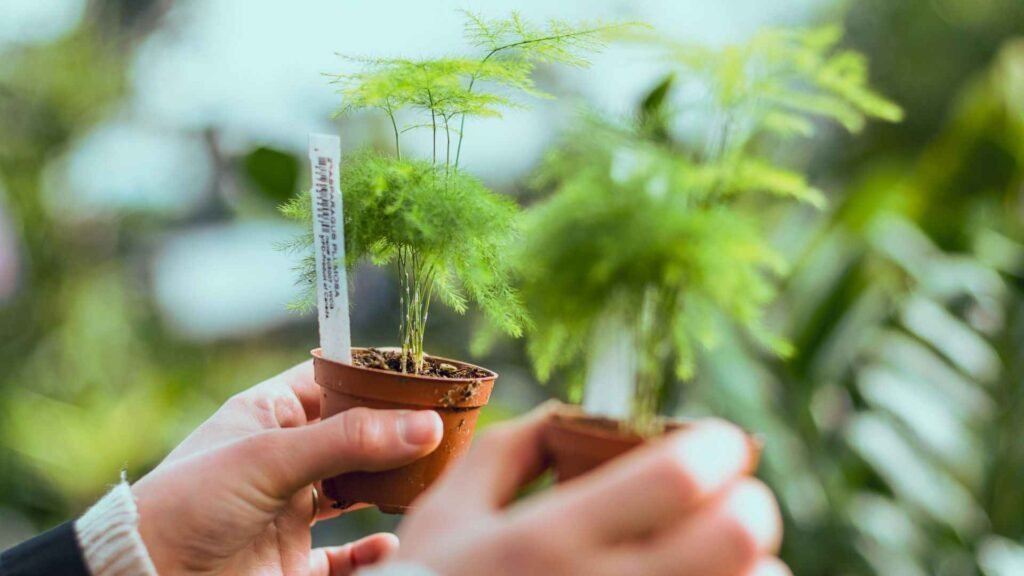
Over time, indoor plant soil can lose nutrients and become compacted. Repotting plants with fresh soil is one of the best ways to maintain plant health.
When repotting plants, remove the old soil gently and replace it with a fresh potting mix designed for the plant type.
Repotting provides several benefits:
- Improved soil structure
- Fresh nutrients for plant growth
- Better drainage and aeration
Fresh soil helps plants recover from nutrient depletion and encourages stronger root development.
Common Soil Mistakes Beginners Make
Many beginner plant owners make simple mistakes when choosing or preparing soil for indoor plants.
Understanding these mistakes can help you avoid problems and grow healthier plants.
Using Garden Soil Indoors
Garden soil is usually too dense for indoor containers and may contain pests or weed seeds.
Overwatering Plants
Even the best soil mix cannot prevent problems if plants are watered too frequently. Overwatering is one of the most common causes of indoor plant death.
Ignoring Drainage Holes
Pots should always have drainage holes to allow excess water to escape. Without drainage holes, soil may remain waterlogged.
Using the Same Soil for All Plants
Different plants have different soil needs. Succulents require fast-draining soil, while tropical plants prefer moisture-retaining mixes.
Avoiding these mistakes will help you maintain the best soil conditions for indoor plants.
How to Maintain Healthy Soil for Indoor Plants
Choosing the best soil for indoor plants is only the first step. Maintaining healthy soil over time is equally important for long-term plant health. Soil in indoor containers gradually loses nutrients and structure as plants grow and absorb resources.
Regular soil maintenance ensures that plants continue to receive the nutrients and support they need.
One of the simplest ways to maintain soil health is by refreshing the top layer of soil. Removing the top one to two inches of old soil and replacing it with fresh potting mix can provide new nutrients and improve soil structure.
This process is often called top dressing, and it helps restore nutrients without fully repotting the plant.
Another important soil maintenance practice is monitoring soil moisture levels. Healthy soil should feel slightly moist but never soggy. Allowing the top layer of soil to dry slightly between watering helps prevent root rot.
Over time, soil may become compacted due to watering and root growth. Gently loosening the soil surface can improve airflow and help water penetrate more evenly.
The Role of Fertilizer in Soil Health
Even the best soil for indoor plants will eventually lose nutrients as plants grow and absorb them. To maintain healthy plant growth, it is important to replenish nutrients through fertilization.
Fertilizers provide essential nutrients such as:
- Nitrogen for leaf growth
- Phosphorus for root development
- Potassium for overall plant health
Indoor plants typically require fertilization during their active growing seasons, which are usually spring and summer.
There are two common types of fertilizers used for indoor plants:
Liquid Fertilizer
Liquid fertilizers are mixed with water and applied during watering. They provide nutrients quickly and are easy to use.
Granular Fertilizer
Granular fertilizers release nutrients slowly over time and provide long-lasting plant nutrition.
Using the right fertilizer along with quality soil helps maintain a healthy indoor plant environment.
When to Repot Indoor Plants
Over time, plant roots grow and expand inside the container. Eventually, plants may outgrow their pots and require repotting.
Repotting is the process of moving a plant into a slightly larger container with fresh soil.
Signs that a plant may need repotting include:
- Roots growing out of drainage holes
- Soil drying out very quickly
- Slow plant growth
- Crowded root systems
Repotting gives plants more space to grow and provides fresh nutrients through new potting soil.
Most indoor plants benefit from repotting every 12 to 18 months, although slow-growing plants may require repotting less frequently.
Choosing the Right Pot for Soil Health
The type of pot you choose can also affect soil performance.
Pots with drainage holes are essential for preventing water buildup in the soil.
Without drainage holes, excess water may remain trapped in the pot and increase the risk of root rot.
Different pot materials also affect soil moisture.
- Plastic pots retain moisture longer
- Terracotta pots allow moisture to evaporate faster
Choosing the right pot material can help regulate soil moisture levels for different types of plants.
Final Thoughts
Selecting the best soil for indoor plants is one of the most important steps in creating a healthy indoor garden. Soil provides the foundation that supports plant roots, supplies nutrients, and regulates water flow.
A good indoor plant soil mix should provide the right balance of drainage, moisture retention, aeration, and nutrients.
Common ingredients such as potting soil, perlite, coco coir, vermiculite, and compost help create a balanced soil environment that supports healthy plant growth.
Different types of plants may require slightly different soil compositions. Tropical plants prefer moisture-retaining soil, while succulents and cactus require fast-draining soil.
By choosing the right soil mix and maintaining healthy soil conditions, indoor gardeners can grow strong, vibrant plants that thrive inside their homes.
With the proper soil foundation, even beginner plant owners can successfully care for indoor plants and enjoy the benefits of indoor gardening.
Frequently Asked Questions
What is the best soil for indoor plants?
The best soil for indoor plants usually contains a mix of potting soil, perlite, and coco coir or peat moss to provide proper drainage and moisture retention.
Can I use garden soil for indoor plants?
Garden soil is not recommended for indoor plants because it can become compacted in containers and may contain pests or weed seeds.
How often should I change indoor plant soil?
Most indoor plants benefit from fresh soil every 12 to 18 months when they are repotted.
Why is perlite used in potting soil?
Perlite improves drainage and aeration in potting soil, helping prevent root rot and soil compaction.