
Best Grow Lights for Small Indoor Plants: A Practical Beginner’s Guide to Choosing the Right Setup
Indoor plants don’t fail because people forget to water them.
They fail because of light.
Watering mistakes can be corrected quickly.
Lighting mistakes quietly weaken plants over weeks or months.
If you’ve noticed:
- Thin stretched stems
- Leaves leaning toward windows
- Slow or stalled growth
- Pale or smaller new leaves
Your plant isn’t “bad.”
It’s underlit.
For small indoor plants — especially those placed on desks, shelves, corners, or apartments with limited sunlight — natural light often isn’t enough to sustain consistent healthy growth year-round.
That’s where grow lights become useful.
But here’s the real issue:
Most beginners buy the wrong type.
They either:
- Choose something too weak
- Choose something unnecessarily strong
- Ignore coverage area
- Ignore plant type
- Or buy based only on price
This guide is designed to prevent that.
We are not going to throw technical jargon at you.
We are not going to overcomplicate light science.
Instead, you’ll learn:
- What small indoor plants actually need
- How lighting strength relates to plant size
- What wattage ranges make sense
- How to match light type to your setup
- Which beginner-friendly grow lights are practical
- What mistakes to avoid
By the end of this guide, you should be able to choose a grow light confidently — without guessing.
First: What Do “Small Indoor Plants” Actually Need?
The term “small indoor plant” can be misleading.
Plant size does not equal low light requirement.
For example:
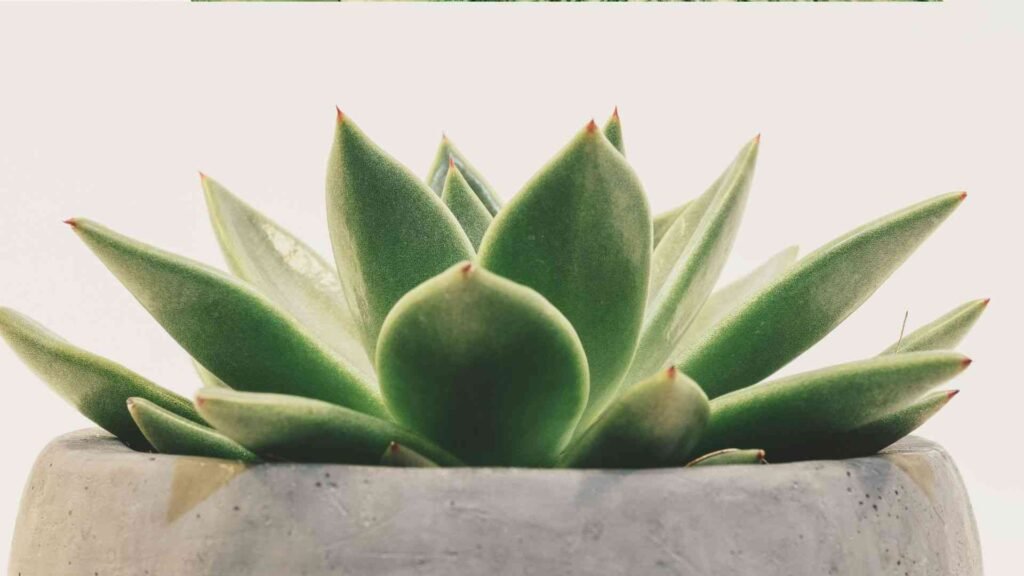
- A small succulent needs strong light.
- A small pothos tolerates moderate light.
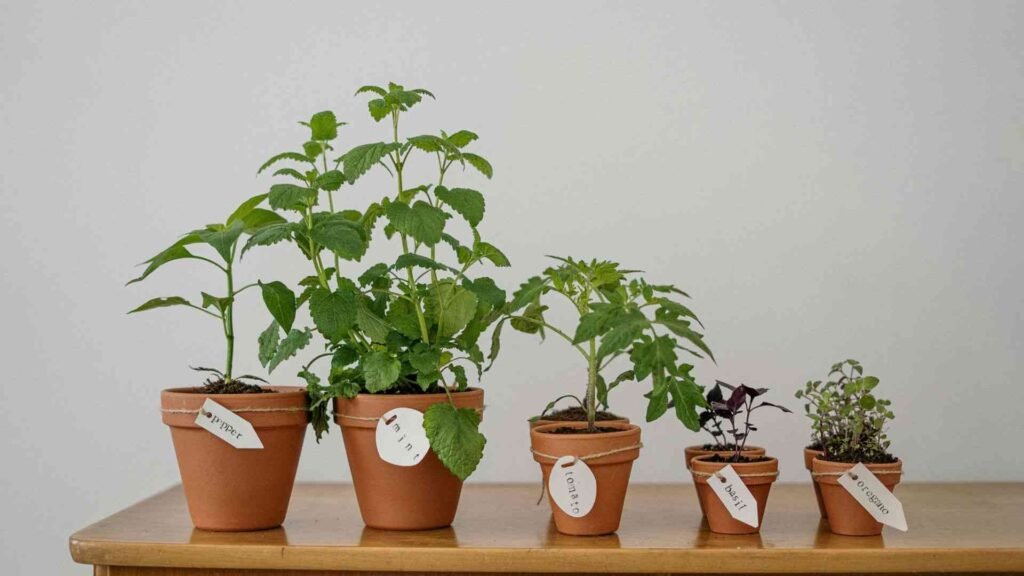
- A small herb plant often needs bright, consistent light.
So before choosing a grow light, you must think in terms of:
- Light intensity requirement
- Plant placement location
- Number of plants
- Available mounting space
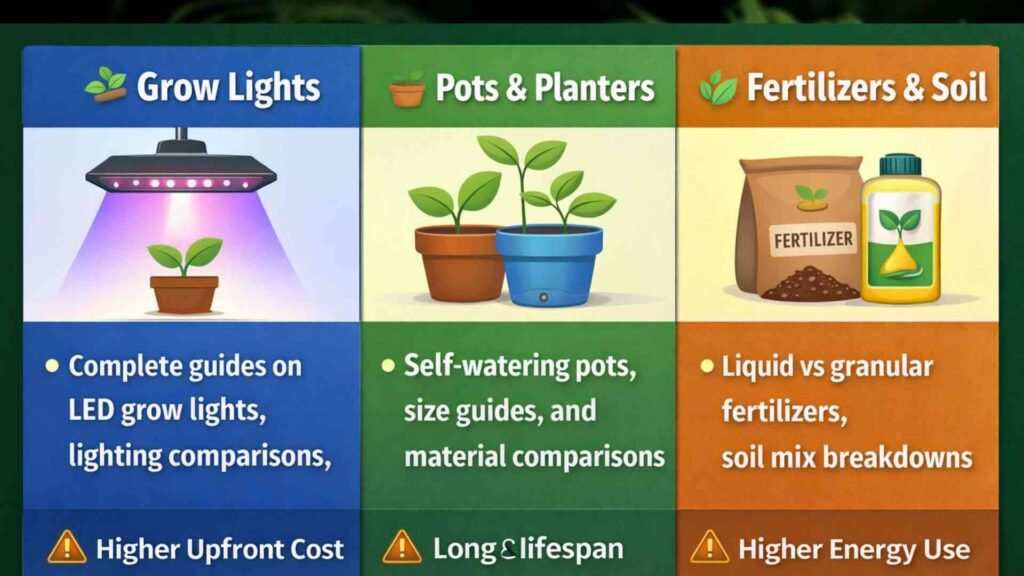
Most small indoor plants fall into one of three lighting categories:
1️⃣ Low-to-Moderate Light Plants
Examples: Snake plant, ZZ plant, pothos
These plants tolerate indirect light but still benefit from supplemental lighting.
2️⃣ Medium Light Plants
Examples: Peace lily, philodendron, spider plant
These need consistent brightness to grow well indoors.
3️⃣ Bright Light Plants
Examples: Succulents, cacti, herbs
These require stronger light intensity, even if they’re small.
The mistake beginners make is assuming:
“Small plant = small light.”
Instead, think:
“Plant type + location = light requirement.”
Understanding the Three Core Factors of Grow Lights
Before looking at products, you need to understand three core principles.
This alone will eliminate 80% of confusion.
1️⃣ Intensity (How Strong the Light Is)
This is what most people refer to as wattage.
For small indoor plants:
- 10–20 watts → Suitable for 1–2 low or medium light plants
- 20–40 watts → Suitable for small grouped plants
- 80+ watts → Suitable for stronger growth or multiple plants
Too weak → stretched growth
Too strong → leaf stress
Balance matters.
2️⃣ Coverage Area (How Much Space It Lights)
Every grow light covers a specific area.
A common mistake:
Buying one small bulb for four plants.
Each plant needs consistent exposure.
If the light spreads too wide but is weak, growth becomes uneven.
For small setups:
- Single plant → focused bulb or clip light
- Shelf with 3–6 plants → strip or multi-head light
- Dedicated plant corner → compact panel
Match coverage to layout — not just plant count.
3️⃣ Duration (How Long It Runs)
Most indoor plants need:
12–16 hours of light per day.
Less than that → slow growth
More than that → unnecessary stress
Consistency matters more than power.
If you struggle with remembering schedules, choose a grow light with:
- Built-in timer
or - Use a smart plug
Lighting schedules should feel automatic.
Choosing the Right Type of Grow Light for Small Spaces
There are several physical formats available.
Let’s simplify them.
Clip-On Grow Lights
Best for:
- Desks
- Nightstands
- Single pots
Advantages:
- Compact
- Adjustable neck
- Easy to install
Limitations:
- Limited coverage
- Not ideal for multiple plants
Grow Light Bulbs (E26 / Standard Socket)
Best for:
- Replacing normal bulbs
- Using in lamps
Advantages:
- Minimal setup
- Clean look
- Flexible placement
Limitations:
- Narrow beam
- No built-in timer
Multi-Head Adjustable Lights
Best for:
- Small shelves
- Grouped plants
Advantages:
- Adjustable direction
- Wider coverage
- Often dimmable
Limitations:
- Slightly bulkier
LED Strip Lights
Best for:
- Plant racks
- Bookshelf gardens
Advantages:
- Even distribution
- Efficient for multiple plants
- Clean setup
Limitations:
- Requires mounting
Compact LED Panels
Best for:
- Dedicated indoor plant area
- Faster growth goals
Advantages:
- Strong performance
- Large coverage
- Durable
Limitations:
- Higher cost
- May be excessive for casual users
Now Let’s Look at Practical Beginner-Friendly Options
Instead of ranking randomly, we’ll group them by setup type.
Best for a Single Small Desk Plant
GooingTop LED Clip Grow Light
Why it works:
- Compact design
- Flexible positioning
- Built-in timer
- Moderate intensity
This type of light works well for:
- Desk pothos
- Small peace lily
- Decorative plant setups
It is not built for aggressive growth.
It is built for support and maintenance.
Best for a Small Shelf Setup
LEOTER Adjustable Multi-Head Grow Light
Why it works:
- Multiple adjustable arms
- Stronger than basic clip lights
- Dimming levels
- Timer included
If you have 3–4 small pots on a shelf, this provides better coverage without installing permanent strip lights.
It’s a good balance between compact and capable
Matching the Grow Light to Your Exact Setup
Before we continue listing options, pause for a moment.
The smartest way to choose a grow light is not:
“What’s the best grow light overall?”
It’s:
“What’s the best grow light for my specific layout for better results?”
So let’s walk through common real-life small indoor setups.
Scenario 1: One Small Plant on a Desk
You have:
- One pothos, snake plant, or small succulent
- Positioned away from a window
- Limited space
- No interest in complex mounting
In this case, a heavy panel or strip system makes no sense.
You need:
- Focused light
- Adjustable direction
- Compact footprint
- Ideally a timer
Recommended Type: Clip-On or Bulb Grow Light
Two practical examples:
🔆 GooingTop LED Clip Grow Light
This type of light works because it clamps onto the desk and bends directly toward the plant.
It is:
- Energy efficient
- Beginner friendly
- Easy to reposition
This is a maintenance light — not a commercial grow system.
💡 SANSI 15W Full Spectrum Bulb
If you already own a desk lamp, replacing the bulb is often cleaner than adding equipment.
Why this style works:
- Higher brightness than most clip lights
- Clean white spectrum
- No “purple grow light” glow
- Minimal hardware
For small succulents or herbs that need brighter light, a strong bulb can outperform weak clip lights.
The key is distance — usually 6–12 inches above the plant.
Scenario 2: Small Shelf with 3–6 Plants
Now the situation changes.
You have:
- Several small pots
- Limited natural light
- Even spacing required
Using one single bulb here won’t distribute light evenly.
Plants on the edges will stretch.
Recommended Type: Multi-Head Light or LED Strips
🔆 LEOTER Multi-Head Grow Light
Why it fits shelf setups:
- Adjustable arms
- Wider coverage
- Multiple brightness levels
- Built-in timer
You can aim each arm at a different plant.
This creates a more balanced lighting zone.
It’s ideal for beginners who want flexibility without installing permanent fixtures.
🌿 Barrina T5 LED Strip Lights
If your shelf is more structured and permanent, LED strips are superior.
Why?
Because strip lights:
- Provide even horizontal coverage
- Reduce shadow zones
- Cover multiple plants at once
- Are efficient per square foot
They’re mounted above the shelf and distribute light evenly across the entire row.
For apartment plant enthusiasts building a small plant corner, this is one of the smartest long-term setups.
Scenario 3: Small Dedicated Indoor Growing Area
Now imagine:
- 6–10 small plants
- Light-loving varieties
- Seedlings or herbs
- Stronger growth goals
This is where compact LED panels become useful.
🔆 Spider Farmer SF-1000 (Compact Panel Style)
Panels like this are designed for:
- Higher light intensity
- Faster growth
- Larger coverage zones
They are:
- Dimmable
- Energy efficient
- Built for consistent performance
However — and this is important —
They are unnecessary for someone growing one desk plant.
Panels make sense only if:
- You have multiple light-hungry plants
- You want stronger vegetative growth
- You’re building a small indoor plant station
Otherwise, it’s overkill.
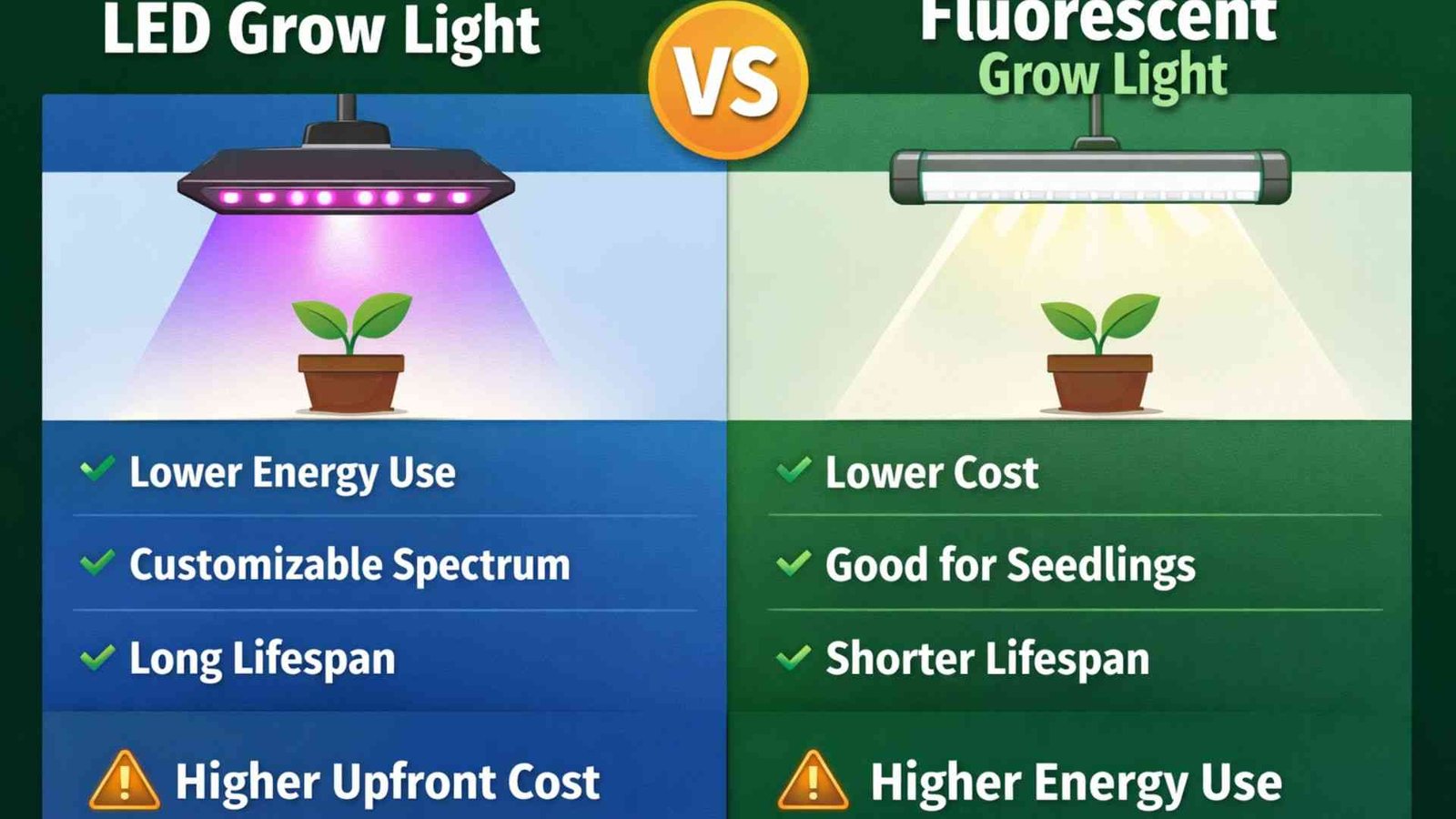
Understanding Full Spectrum vs “Purple” Grow Lights
Many beginners still see purple glow grow lights online.
Let’s clarify this.
Older grow light systems emphasized red and blue LEDs only.
While effective for photosynthesis, they:
- Look harsh indoors
- Distort room color
- Cause eye strain
Modern full-spectrum white LEDs are superior for home use.
They:
- Mimic natural daylight
- Support all plant growth stages
- Look visually pleasant
For small indoor plants in living spaces, always choose full-spectrum white light.
It’s practical and more livable.
How Light Strength Affects Plant Growth
Let’s talk realistically.
Stronger light does not automatically mean better plant health.
Too weak → stretching
Too strong → stress
Here’s what usually happens:
Low intensity:
- Long stems
- Sparse leaves
- Slower growth
Balanced intensity:
- Compact growth
- Vibrant color
- Stable development
Excessive intensity:
- Bleached leaves
- Burn spots
- Curling edges
The goal isn’t maximum power.
The goal is appropriate intensity for your plant type and distance.
Distance & Placement Strategy
Placement determines effectiveness.
General beginner guidelines:
- 10–20W lights → 6–12 inches
- 20–40W lights → 12–18 inches
- 80W+ panels → 18–24 inches
If unsure:
Start higher.
Observe plant reaction for 3–5 days.
Adjust gradually.
Never place strong lights directly on top of delicate foliage.
Timer & Scheduling Strategy
Plants are biological organisms.
They follow cycles.
Ideal daily schedule:
- 12–16 hours ON
- 8–12 hours OFF
Consistency matters more than intensity.
If your light lacks a built-in timer:
Use:
- Mechanical timer
- Smart plug
- Wi-Fi outlet
Automated scheduling prevents overexposure and underexposure.
Budget Planning: How Much Should You Really Spend?
One of the biggest beginner mistakes is overspending too early.
Small indoor plants do not require commercial-grade systems.
Here’s a realistic breakdown:
💰 $20–$40 Range
Best for:
- One or two small plants
- Desk or bedside placement
- Supplemental lighting only
You’ll typically get:
- Clip-on lights
- Basic full-spectrum bulbs
This is perfect if you’re maintaining plants, not aggressively growing them.
💰 $40–$80 Range
Best for:
- 3–5 small plants
- Shelf setups
- Medium light needs
You’ll typically get:
- Multi-head adjustable lights
- Better brightness control
- Timer functionality
This range is ideal for beginners who want flexibility.
💰 $80–$150 Range
Best for:
- Dedicated indoor plant corner
- Herbs or brighter light plants
- Faster growth goals
You’ll get:
- LED strip systems
- Compact panels
- Stronger output
Beyond this range, you’re entering serious indoor growing territory.
For casual plant hobbyists, it’s rarely necessary.
Electricity Cost: Is Running a Grow Light Expensive?
Short answer: No — not for small setups.
Let’s break it down.
Example:
A 15W LED grow light
Running 14 hours per day
15W × 14 hours = 210 watt-hours
That equals 0.21 kWh per day
Even over a month, that’s relatively low compared to household appliances.
LED technology is extremely efficient.
Compared to:
- Old fluorescent tubes
- HID grow systems
Modern LED grow lights consume significantly less energy.
For beginners, electricity cost should not be a major concern.
Advanced Beginner Optimization Tips
Once you install your grow light, don’t just “set and forget.”
Observe your plant.
Healthy signs under proper lighting:
✔ Upright stems
✔ Compact leaf spacing
✔ Deep green color
✔ Balanced growth
Signs you need adjustment:
- Leaning toward light → Move light closer or increase intensity
- Yellow tips → Possibly too strong or too close
- Uneven growth → Adjust coverage
Rotate plants every week for even exposure.
Light should fall evenly across the top canopy.
Common Mistakes That Quietly Ruin Indoor Growth
Let’s go deeper than surface-level mistakes.
❌ Buying Based on Advertised Wattage Alone
Some manufacturers inflate wattage claims.
Instead of looking at “equivalent wattage,” focus on:
- Actual power draw
- Coverage area
- Real user feedback
❌ Ignoring Room Environment
Grow lights can’t compensate for:
- Poor airflow
- Overwatering
- Incorrect soil
Lighting is one factor — not the only one.
❌ Mixing Too Many Lighting Types
Combining random bulbs and clip lights often leads to uneven exposure.
Stick to one structured setup per plant zone.
❌ Placing Light at Extreme Angles
Light should hit from above — not from the side.
Side lighting can cause leaning growth.
❌ Leaving Lights On 24 Hours
Plants need darkness.
Continuous exposure disrupts natural cycles.
Always maintain a light schedule.
Final Recommendations (Structured & Clear)
Let’s simplify everything into actionable choices.
🏆 Best for One Small Desk Plant
Clip-On Grow Light (10–20W range)
Ideal for:
- Pothos
- Snake plant
- Small decorative plants
🏆 Best for Multiple Small Shelf Plants
Multi-Head Adjustable Light or LED Strips
Ideal for:
- Grouped pots
- Apartment shelves
- Moderate light plants
🏆 Best for Bright Light Plants or Herbs
15W+ Full-Spectrum Bulb or Compact Panel
Ideal for:
- Succulents
- Culinary herbs
- Light-hungry species
🏆 Best Premium Compact Setup
Small LED Panel (80–100W range)
Ideal for:
- Dedicated plant corner
- Seedlings
- Faster vegetative growth
Final Thoughts
It’s about:
- Matching light type to plant needs
- Understanding coverage
- Maintaining consistent timing
- Adjusting placement when needed
Small indoor plants can thrive beautifully with the right lighting balance.
You don’t need a commercial greenhouse.
You need clarity.
Start with your setup size.
Choose the right format.
Keep it consistent.
Observe and adjust.
Indoor growing becomes simple when lighting is done correctly.
Summary
Choosing the best grow lights for small indoor plants doesn’t require complicated setups or commercial systems. The key is matching light intensity, coverage, and duration to your specific plant type and indoor space.
For single desk plants, compact clip-on or bulb-style grow lights are usually enough. For shelves or grouped plants, multi-head lights or LED strips provide better coverage. Dedicated indoor growing corners benefit from compact LED panels with adjustable brightness.
Full-spectrum white LED lights are ideal for beginners, offering balanced growth support while remaining comfortable in home environments. Most small indoor plants need 12–16 hours of consistent light daily, along with proper placement and monitoring.
By understanding wattage ranges, coverage needs, and basic scheduling, beginners can confidently build a lighting setup that supports healthy indoor plant growth year-round.
Frequently Asked Questions
How many hours per day should grow lights run for small indoor plants?
Most small indoor plants perform best with 12 to 16 hours of consistent light daily. Always provide a dark period to allow natural plant cycles.
Can LED grow lights burn small plants?
Yes, if placed too close or if intensity is too high. Maintain proper distance and observe leaves for stress signs like yellowing or crisp edges.
Are full-spectrum white grow lights better than purple lights?
For home use, full-spectrum white lights are generally better. They support all growth stages and are more comfortable for indoor living spaces.
Do small plants need powerful grow lights?
Not necessarily. Light intensity should match plant type. Succulents need stronger light than pothos or snake plants.
Can I use a regular household LED bulb for my plants?
Standard household bulbs are not designed for plant growth. While they may help slightly, full-spectrum grow lights are more effective.
Is a timer necessary for grow lights?
A timer is highly recommended. It ensures consistent light cycles and prevents overexposure or forgetfulness.